Best plating tips for vibrant homemade dishes?

Transforming a delicious homemade meal into a visually stunning experience is an art form that’s accessible to every home cook. Plating isn’t just for gourmet restaurants; it’s about elevating your dishes, stimulating the senses before the first bite, and making every meal feel special. A vibrant, well-plated dish can enhance perceived taste, encourage healthier eating, and simply make cooking more enjoyable. Let’s explore some essential tips to bring restaurant-quality presentation to your kitchen.
Choose Your Canvas Wisely
The plate you choose sets the stage for your culinary creation. Consider the shape, size, and color of your dishware. White plates are often preferred as they provide a neutral background that makes food colors pop. However, dark plates can also create dramatic contrast, especially for lighter-colored foods. Ensure the plate is large enough to allow for some negative space around the food, preventing a cluttered look, but not so vast that the portion appears meager. Oval, rectangular, or square plates can offer interesting alternatives to traditional round ones, influencing how you arrange elements.

Mastering Color and Contrast
Color is perhaps the most immediate visual cue on a plate. Aim for a variety of colors to make your dish vibrant and appealing. Think beyond the main ingredients. If your dish is largely one color, like a beige pasta, consider adding a vibrant green garnish (fresh herbs), a splash of red (cherry tomatoes or bell peppers), or a dash of orange (carrots or sweet potato puree). Contrasting colors naturally draw the eye and make the food look more appetizing. Using different shades of the same color can also create depth without being overwhelming.
Building Height and Texture
Flat food is often uninspiring. Adding height to your dish creates dimension and makes it look more substantial and professional. Think vertically! Stack components where appropriate, like layering sliced vegetables or placing a protein atop a mound of grains. Mousses, purees, or even strategically placed large ingredients can serve as foundations for building up. Similarly, varying textures – crunchy, creamy, smooth, crisp – adds sensory interest. A sprinkle of toasted nuts, fresh croutons, or a delicate crisp can transform a dish from good to great.
Strategic Arrangement: The Rule of Odds and Whitespace
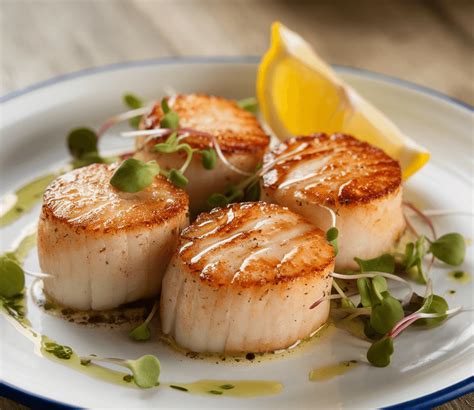
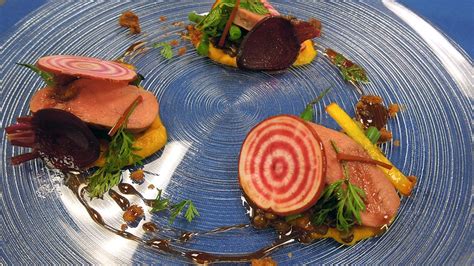
How you arrange components on the plate is crucial. The “Rule of Odds” suggests that items arranged in odd numbers (e.g., three asparagus spears, five shrimp) are often more visually appealing than even numbers. Create a focal point – the star of your dish – and arrange supporting elements around it. Don’t underestimate the power of negative space (the empty areas on the plate); it allows the eye to rest and highlights the plated food, preventing it from looking crowded. Think about asymmetrical balance rather than perfect symmetry.

The Art of Saucing and Drizzling
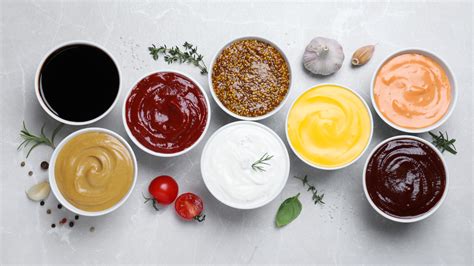
Sauces aren’t just for flavor; they are powerful plating tools. Instead of simply pouring sauce over everything, consider how it can enhance the visual appeal. Create a “swoosh” with a spoon, draw a delicate line, or make a few strategically placed dots around the main components. Ensure the sauce isn’t too thin or too thick for the desired effect. A squeeze bottle can be an excellent tool for precise drizzling, adding a touch of elegance and moisture without drowning the dish.
Garnishing: The Finishing Touch
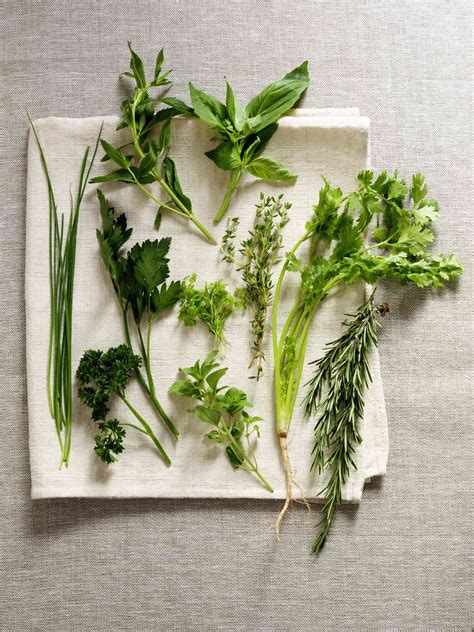
Garnishes are the jewelry of your dish. They should be fresh, edible, and directly related to the flavors of the meal. A sprig of fresh herbs, a lemon twist, a sprinkle of toasted seeds, or a few edible flowers can add a final flourish of color, texture, and aroma. Be judicious; a little goes a long way. The goal is to enhance, not overshadow, the main ingredients. Ensure garnishes are neatly placed and visually appealing, adding that last touch of professionalism to your homemade dish.
Conclusion: Practice Makes Perfect Plating
Plating is a skill that improves with practice and experimentation. Don’t be afraid to play with your food! Start with one or two tips, like focusing on color contrast or adding a simple garnish, and gradually incorporate more techniques. Soon, you’ll find yourself intuitively arranging food in a way that’s not only delicious but also a feast for the eyes. Elevate your everyday meals and impress your family and guests with dishes that look as incredible as they taste.