Best plating tips for vibrant, Instagram-worthy home cooked dishes?

Why Presentation Matters: Beyond Just Taste
In today’s visually driven world, a beautiful plate isn’t just for fancy restaurants – it’s an expectation, especially if you’re sharing your culinary creations online. Transforming your home-cooked dishes into Instagram-worthy masterpieces is easier than you think. With a few simple techniques, you can make your food look as vibrant and appetizing as it tastes, impressing family, friends, and followers alike.
Choose Your Canvas Wisely: The Power of the Plate
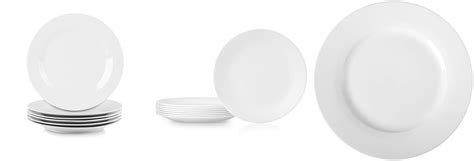
Before you even begin plating, consider your dishware. White plates are often preferred by chefs because they allow the colors of the food to truly pop. However, don’t shy away from dark or subtly patterned plates if they complement your dish. Size matters too; avoid plates that are too large, making your portion look sparse, or too small, making it seem overcrowded. A plate with a slight rim can help contain sauces and create a frame for your food.
The Art of Arrangement: Focus and Flow
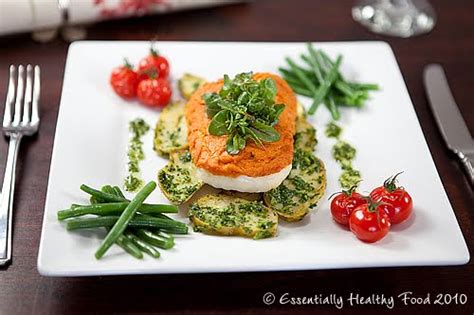
Think about the “rule of thirds” – an artistic principle that can be applied to food plating. Imagine your plate divided into nine equal sections by two horizontal and two vertical lines. Place your main elements where these lines intersect. Often, the main protein or starch should take center stage, with supporting elements like vegetables arranged around it. Aim for an odd number of items, as this tends to be more visually appealing than an even number.
Building Height and Texture: Adding Dimension
Flat food is often uninspiring. Give your dish dimension by building up. Use ingredients that can be stacked, like perfectly seared scallops on a bed of risotto, or a tower of roasted vegetables. Consider different textures within the same dish – the crunch of a toasted nut, the creaminess of a sauce, the crispness of a fresh herb. This contrast isn’t just exciting for the palate, but also for the eyes.
Embrace Color and Contrast: A Feast for the Eyes
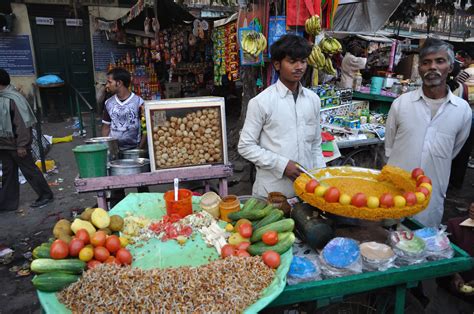
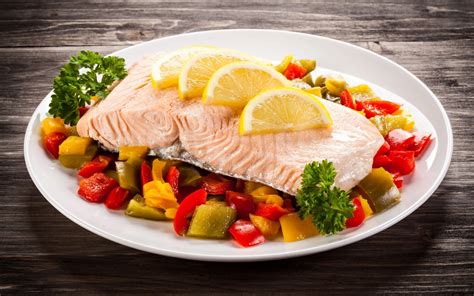
Color is perhaps the most immediate way to make a dish vibrant. Incorporate a variety of natural colors from different ingredients – think bright greens from herbs, reds from tomatoes or peppers, and yellows from citrus or corn. Use contrasting colors to make elements stand out. A dark sauce on a light-colored protein, or a bright green garnish on a rustic stew, can instantly elevate the visual appeal. Don’t be afraid to add a vibrant sprinkle of paprika or a dash of fresh turmeric for extra pop.
The Finishing Touch: Garnishes and Sauces
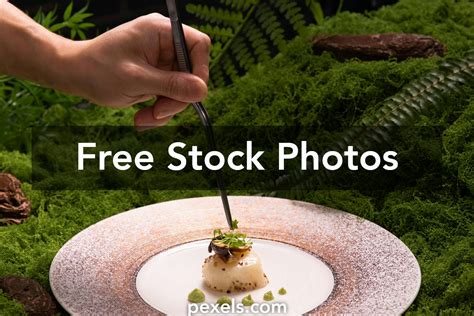
Garnishes are not just for show; they can add flavor and aroma, but primarily, they’re your final flourish. A few fresh herb leaves (like parsley, cilantro, or microgreens), a lemon wedge, a sprinkle of finely chopped chives, or a dash of edible flowers can transform a simple dish. When it comes to sauces, less is often more. Drizzle elegantly, create a deliberate swirl, or place a spoonful artfully beside the main elements rather than drowning your food. Use a squeeze bottle for precision!
Cleanliness and Simplicity: The Golden Rule
Always wipe the rim of your plate clean before serving. Stray drips or crumbs can detract from even the most beautifully arranged food. Finally, remember that sometimes, simplicity is key. Over-complicating your plating can make it look messy. Focus on a few key elements and arrange them thoughtfully. With practice, you’ll develop your own style and instinctively know how to make your home-cooked meals truly shine, ready for their close-up!