Best plating tips to elevate everyday recipes visually for social feeds?
Transforming Everyday Meals into Social Media Stars
In the age of visual sharing, a delicious meal isn’t truly complete until it’s “grammable.” Whether you’re a home cook sharing your culinary journey or a food blogger building an audience, elevating the visual appeal of your everyday recipes is key to capturing attention on platforms like Instagram, TikTok, and Pinterest. Good food photography starts with good food plating. It’s not just about gourmet dishes; even a simple pasta or a hearty stew can look incredibly appealing with a few thoughtful touches.
Mastering the art of plating doesn’t require a culinary degree or fancy tools. It’s about understanding a few fundamental principles that can turn a regular meal into a visual feast. Let’s dive into some practical tips to make your everyday recipes shine.
Embrace Color and Contrast
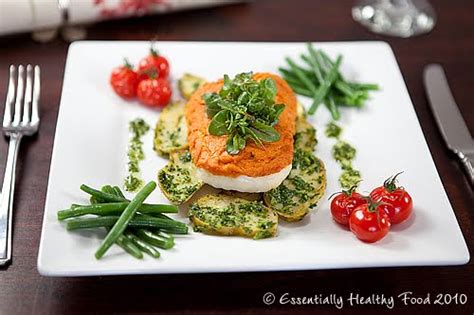
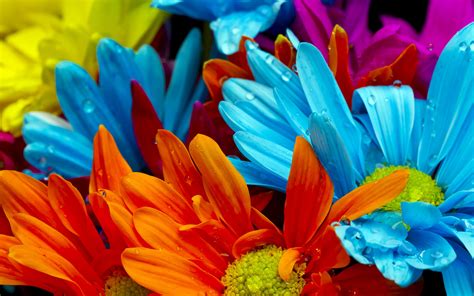
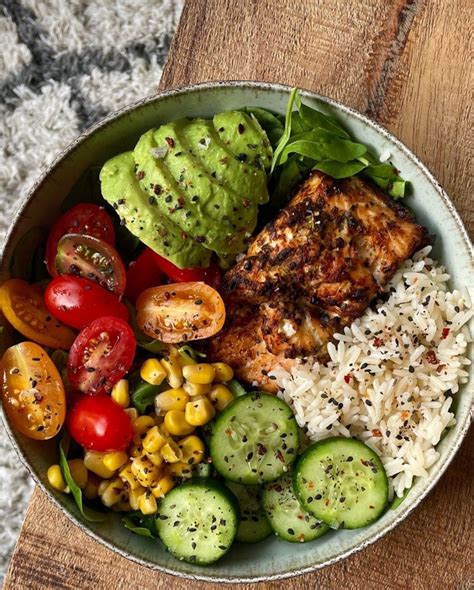
One of the easiest ways to make your dish pop is by incorporating a vibrant palette. Think about the natural colors of your ingredients. A monochromatic dish, while delicious, might not be as visually exciting. Introduce contrasting colors through fresh herbs, a drizzle of colorful sauce, or a sprinkle of toasted nuts. For instance, a creamy white risotto can be brightened with a swirl of green pesto, a few roasted red peppers, or a scattering of fresh parsley.
Consider the color of your plate as well. White plates are often preferred by chefs because they allow the food’s colors to stand out. Darker plates can create a dramatic contrast, especially with lighter-colored foods, but be mindful not to let them absorb too much light, which can make your food look dull in photos.
Play with Texture and Dimension
A visually interesting dish has a variety of textures. Imagine a perfectly seared piece of salmon – the crispy skin offers a textural counterpoint to the flaky flesh. You can add crunchy elements like croutons, toasted seeds, or fried shallots to soft dishes, or smooth purees to dishes with bite. These textural variations not only enhance the eating experience but also create visual depth and interest in your photographs.
Building height is another crucial element. Instead of spreading all your ingredients flat across the plate, think upwards. Stack components, lean ingredients against each other, or use molds to give shape. For example, a mound of mashed potatoes topped with a piece of protein, garnished with some vertically placed asparagus, immediately creates more visual intrigue than everything lying flat.
Strategic Garnishes and Sauces
Garnishes are like the jewelry of your dish – they add the finishing touch. However, less is often more. Choose garnishes that are relevant to the dish’s flavors and colors. Fresh herbs like dill, chives, cilantro, or basil are perfect for adding a touch of green and aroma. A sprinkle of paprika, chili flakes, or a grind of black pepper can add color and a hint of spice.
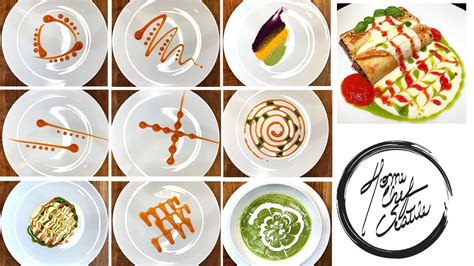
Sauces can also be used as a design element. Instead of simply pouring sauce over the entire dish, try drizzling it artfully. Use a squeeze bottle or the back of a spoon to create swirls, dots, or clean lines on the plate before arranging the main components. This adds a professional and artistic touch.

Mastering Negative Space
Resist the urge to overcrowd your plate. Negative space, or the empty area around your food, is just as important as the food itself. It allows each component to breathe and be appreciated individually, making the dish look more refined and less chaotic. Aim for a composition where the food occupies roughly two-thirds of the plate, leaving ample space around the edges. This also helps in framing your dish for photography.

Consider Your Dishware and Background
The plate itself is your canvas. Choose plates that complement your food without overpowering it. Simple, round white plates are versatile, but don’t shy away from square or irregularly shaped plates if they fit the aesthetic of your dish. Matte finishes can look quite elegant on camera. Also, think about the background for your social media photo. A clean, uncluttered background allows your food to be the star. Natural light is almost always your best friend for food photography, so try to plate and shoot near a window.

Practice Makes Perfect
Like any skill, plating takes practice. Don’t be discouraged if your first attempts don’t look exactly like a magazine cover. Start with simple dishes and gradually experiment with different arrangements, garnishes, and techniques. Take photos from various angles to see what looks best. Soon, you’ll develop an eye for what works, and your everyday meals will not only taste incredible but also look irresistible on your social feeds.