Best plating tricks for making home-cooked dishes visually stunning for foodie feeds?

Transforming Home Cooking into Culinary Art
In the age of social media, a dish isn’t truly complete until it’s been photographed and shared. For home cooks looking to make their culinary creations pop on foodie feeds, mastering the art of plating is as crucial as perfecting the recipe. It’s about more than just food; it’s about storytelling, inviting your audience to savor with their eyes before their palate. With a few simple tricks, you can turn a humble meal into a visual feast.
Choose Your Canvas Wisely: The Plate
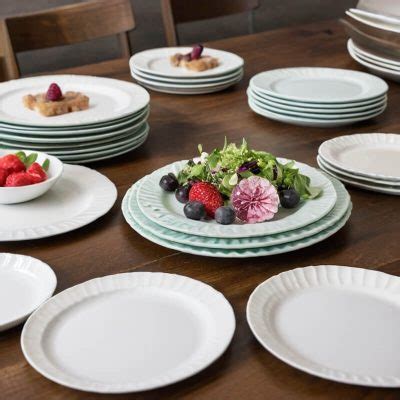
Your plate is the stage for your edible masterpiece. The right plate can elevate a dish, while the wrong one can detract from it. Think about the color, size, and shape.
- Color Contrast: White plates are often preferred by chefs because they provide a neutral background that makes food colors pop. However, dark plates can also create dramatic contrast, especially with lighter-colored foods.
- Size Matters: Don’t overcrowd your plate. Choose a plate that’s large enough to give your ingredients space to breathe. This allows for ‘negative space,’ which is vital for an elegant presentation.
- Shape and Style: Round plates are classic, but square or rectangular plates can offer a modern aesthetic. Consider the overall theme of your dish and your home decor when selecting.
Build with Intention: Height and Structure
Flat food can look uninspired. Adding height and dimension to your dish creates visual interest and makes it appear more professional. Think vertically!
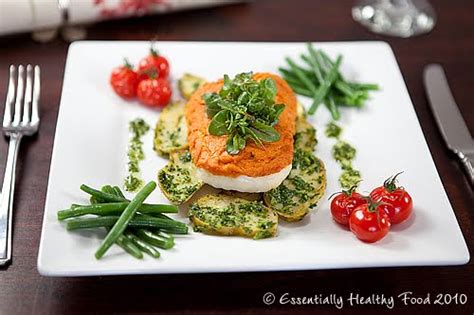
- Stacking and Layering: Instead of spreading ingredients out, try stacking them. Layer components like starches, proteins, and vegetables. For example, a perfectly seared scallop can sit atop a bed of risotto, crowned with a sprinkle of fresh herbs.
- The Rule of Odds: When arranging smaller items (like shrimp, cherry tomatoes, or scallops), place them in odd numbers (three or five) rather than even. This often creates a more visually pleasing and dynamic composition.
- Use Molds and Rings: For uniform shapes, especially with grains or purees, a simple cooking ring can help create perfect towers.

Play with Color and Texture: A Feast for the Eyes
Vibrant colors and varied textures are key to an appetizing photograph. Think about how different components of your dish interact visually.
- Bright & Bold: Incorporate ingredients with naturally vivid colors. A dash of red bell pepper, a sprig of fresh green cilantro, or a drizzle of yellow saffron sauce can transform a dish.
- Textural Contrast: Combine crispy with creamy, smooth with crunchy. A dish of creamy polenta can be beautifully contrasted with crisp, roasted vegetables or a crunchy sprinkle of toasted nuts.
- Natural Beauty: Let the natural beauty of your ingredients shine. Cook vegetables al dente to retain their vibrant color and slight crunch.

The Finishing Touches: Garnishes and Sauces
Garnishes and sauces are not just for flavor; they are crucial for visual appeal. They add a final flourish that ties the dish together.
- Strategic Garnishing: Choose garnishes that complement the dish’s flavor and color. Fresh herbs (parsley, dill, chives), citrus zest, edible flowers, or a sprinkle of paprika can add a pop of color and freshness. Place them deliberately, not just scattered randomly.
- Drizzles and Swirls: Sauces can be painted onto the plate with a spoon, drizzled artfully, or swirled around the main components. Think about creating abstract patterns or dots to frame your dish. Use squeeze bottles for precision.
- Clean Edges: Always wipe the rim of your plate clean before serving. A pristine edge signals professionalism and attention to detail.

Embrace Negative Space and Composition
Sometimes, what you leave out is as important as what you put in. Negative space—the empty area around your food—helps draw the eye to the dish’s star elements.
- Less is More: Avoid clutter. A few well-placed elements are more impactful than a plate overflowing with ingredients.
- Focus Point: Guide the viewer’s eye to the most appealing part of your dish. This is often the protein or the most colorful element.
- Asymmetrical Balance: Perfect symmetry can sometimes feel static. Asymmetrical arrangements often feel more dynamic and natural. Imagine an invisible line running through your plate and balance the elements around it.
Practice Makes Perfect
Plating is a skill that improves with practice. Don’t be afraid to experiment with different arrangements, colors, and textures. Take photos of your plated dishes from various angles to see what works best for your foodie feed. With these tricks, your home-cooked meals will not only taste incredible but also look spectacular, earning you all the likes and compliments your culinary heart desires!