Best plating tricks to visually elevate everyday recipes for foodies?

Mastering the Art of Food Plating at Home
For many foodies, the culinary experience extends far beyond taste. The visual appeal of a dish can heighten anticipation, enhance enjoyment, and even influence perception of flavor. Transforming everyday meals into a feast for the eyes doesn’t require a professional kitchen or elaborate ingredients; it simply calls for a few clever plating tricks. Elevate your home cooking and impress your guests (or just yourself!) with these easy yet impactful techniques.
The Foundational Pillars of Visual Appeal
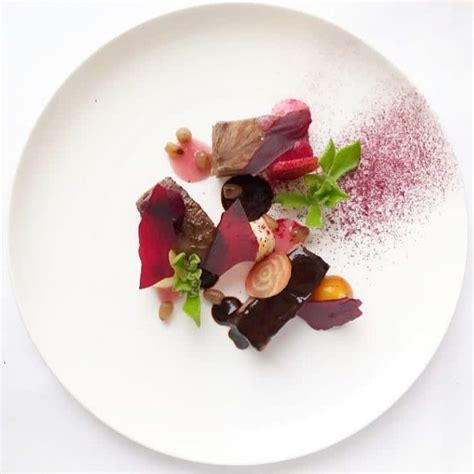
Before diving into specific techniques, understand the core principles of good plating: balance, color, texture, and height. Aim for a harmonious arrangement where each component plays a role without overwhelming the others. Contrast in colors makes a dish pop, while varying textures create an exciting mouthfeel and visual interest. Adding height brings a dynamic dimension to your plate.
Composition is Key: Rule of Thirds and Beyond
Think of your plate as a canvas. The rule of thirds, often used in photography, can be applied here: imagine dividing your plate into nine equal sections with two horizontal and two vertical lines. Place your main elements where these lines intersect, rather than dead-center, to create a more dynamic and pleasing composition. Use negative space wisely; leaving some areas of the plate empty can highlight the food and prevent a cluttered look.
Sauce and Garnishes: The Finishing Touches
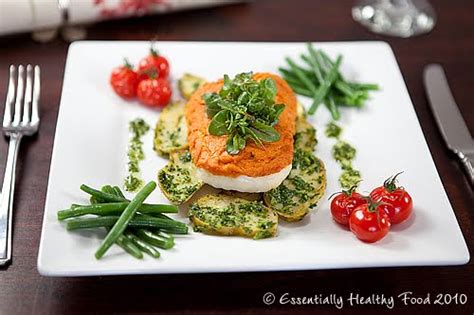
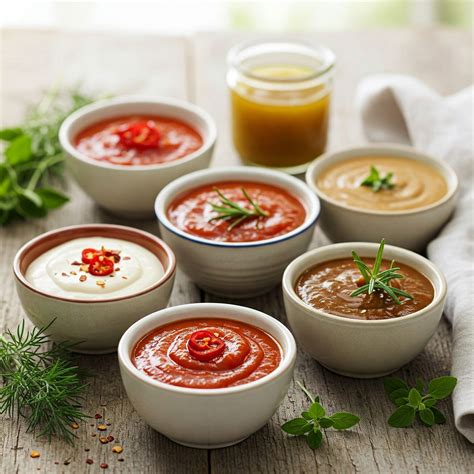
Sauces aren’t just for flavor; they’re integral to presentation. Instead of simply spooning sauce over your food, try more refined techniques. A dramatic swoosh with the back of a spoon, small dots strategically placed, or a delicate drizzle can add an artistic flair. Garnishes, too, should be intentional. Fresh herbs like parsley, cilantro, or chives, microgreens, toasted nuts, seeds, or even a sprinkle of vibrant spices can add color, texture, and an aromatic lift. Ensure garnishes are fresh and edible, contributing to the dish’s overall profile.
Building Height and Dimension
Flat dishes can appear uninspired. Introduce height by stacking components thoughtfully. For example, layer a protein over a bed of purée, or arrange roasted vegetables to create a little tower. Using a round mold or even a cookie cutter can help create perfectly shaped portions of grains, salads, or mashed dishes, providing a clean base upon which to build vertically. This technique adds an element of sophistication and makes the dish more visually engaging.
Dishware Selection: Your Canvas Matters
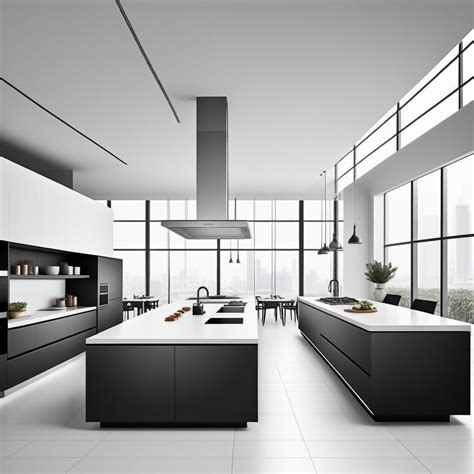
The plate itself is part of the presentation. Choose dishware that complements your food. White plates are classic and make colors pop, while dark plates can offer a dramatic contrast. Consider the shape – round, square, or rectangular plates each present unique opportunities for arrangement. Don’t overcrowd the plate; select a size that allows for ample negative space around your components. A simple, elegant plate often allows the food to be the star.
Practice Makes Perfect: Tips for Home Cooks
Start small. Choose one or two techniques to focus on with your next meal. Don’t be afraid to experiment, and remember that some of the best plating ideas come from trial and error. Take photos of your plated dishes; reviewing them can help you identify what works and what doesn’t. With a little practice, you’ll develop an eye for aesthetics and find your own plating style.
Conclusion: Elevate Your Culinary Journey
Plating is an accessible skill that dramatically enhances the dining experience, transforming everyday recipes into something truly special. By paying attention to composition, color, texture, and height, and utilizing thoughtful garnishes and sauces, you can consistently create dishes that look as incredible as they taste. So go ahead, unleash your inner food artist and turn every meal into a masterpiece!