Best practice: How to ensure “Visual Bites” convert foodie interest to recipe clicks?

The Irresistible Pull of Visual Bites
In the digital culinary landscape, where eyes feast before stomachs, “Visual Bites” are more than just pretty pictures—they are potent conversion tools. For food bloggers, chefs, and content creators, the ultimate goal is not just to capture attention but to translate that fleeting interest into a tangible click on a recipe link. This article delves into the best practices for crafting Visual Bites that don’t just stop the scroll but compel users to explore further and ultimately, to cook.
A successful Visual Bite strategy hinges on understanding the psychology of the foodie: desire for deliciousness, ease of preparation, and the promise of a rewarding outcome. It’s about creating an emotional connection that bridges the gap between passive viewing and active engagement.
Mastering the Art of Appetizing Presentation
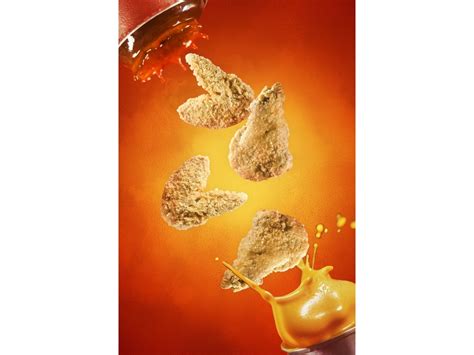
The foundation of any successful Visual Bite is impeccable presentation. This goes beyond mere aesthetics; it’s about making the food look utterly irresistible. High-quality photography and videography are non-negotiable. Invest in good lighting, whether natural or artificial, to showcase textures, colors, and details that make a dish pop. Sharp focus on the hero ingredient or the most appealing aspect of the finished dish is crucial.
Highlighting Key Elements
Consider the angle, composition, and styling. A top-down shot might emphasize the vibrant colors of a salad, while a close-up can highlight the crispy crust of a bread or the gooey center of a dessert. Use props sparingly and purposefully to enhance the scene without distracting from the food itself. The goal is to make viewers almost taste the food through their screens.
Storytelling Through Visuals: Beyond the Plate
Visual Bites can do more than just present a final dish; they can tell a story. Show snippets of the cooking process, the fresh ingredients being prepped, or even the joy of someone enjoying the meal. These “behind-the-scenes” glimpses add authenticity and relatability, making the recipe feel more accessible and achievable. A beautifully shot video of a technique, even a simple one, can be incredibly engaging.
Furthermore, consider the lifestyle context. How does this dish fit into a meal? Is it a quick weeknight dinner, a festive holiday spread, or a cozy comfort food? Placing the food within a relatable scenario helps users envision themselves making and enjoying it, strengthening their desire to click through for the recipe.
Crafting the Path to Conversion: Strategic Calls to Action
Even the most stunning Visual Bite won’t convert if the path to the recipe isn’t clear and frictionless. Every visual should be implicitly or explicitly designed to lead the viewer to the next step. This involves more than just a “Link in bio” caption.
Visual Cues and User Experience
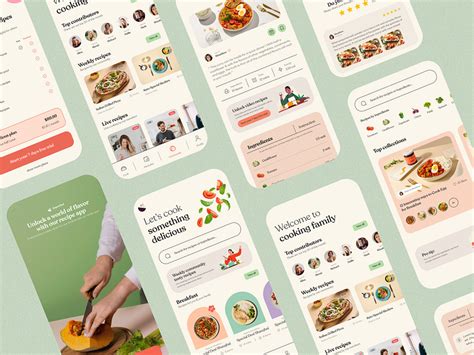
Design your Visual Bites with an understanding of where they will be displayed. On Instagram, ensure your caption clearly directs users to the link in your profile. For blog embeds or Pinterest pins, make sure the image itself is clickable and leads directly to the recipe page. Use overlays or subtle graphic elements (if appropriate for the platform) to hint at interactivity.
The accompanying text is equally important. A catchy, enticing description that poses a question, highlights a benefit (e.g., “Ready in 30 minutes!”), or teases a unique flavor profile can significantly boost click-through rates. Combine compelling visuals with persuasive micro-copy.
Optimizing for Performance and Reach
To truly convert interest into clicks, your Visual Bites must be optimized for performance across various platforms. This includes ensuring fast loading times, especially for videos, and mobile responsiveness. Most users consume content on their phones, so visuals must look great and function perfectly on smaller screens.
Leveraging Analytics and A/B Testing
Don’t just post and hope. Utilize analytics to understand which types of Visual Bites resonate most with your audience. Track click-through rates, engagement metrics, and time spent on page. Experiment with different styles, compositions, and accompanying captions through A/B testing. Does a vibrant, colorful shot perform better than a minimalist one? Does a video reel outperform a static image carousel? Continuous testing and iteration are key to refining your strategy and maximizing recipe clicks.
Conclusion: The Recipe for Click-Worthy Visuals
Transforming foodie interest into recipe clicks is an art and a science. By focusing on high-quality, narrative-rich visuals, strategically guiding users with clear calls to action, and continually optimizing based on data, content creators can master the art of the Visual Bite. Remember, every delicious image or video is not just an invitation to admire, but an invitation to create—a powerful bridge between inspiration and execution in the culinary world.