Best recipe methods to keep dishes photo-ready & fresh for meal prep?

Elevate Your Meal Prep: Strategies for Stunning & Fresh Dishes
Meal prepping is a game-changer for busy schedules, promoting healthier eating and saving time. But let’s be honest, nobody wants to eat a sad, discolored meal by Wednesday. The art of keeping your prepped dishes both visually appealing and deliciously fresh is crucial, not just for Instagram, but for encouraging you to actually enjoy the food you’ve prepared. This guide dives into the best methods to ensure your culinary creations remain photo-ready and bursting with flavor all week long.

Ingredient Selection and Pre-Preparation for Longevity
The journey to fresh, appealing meal prep begins before you even cook. Choosing the right ingredients and employing smart preparation techniques can significantly extend the life and look of your dishes.
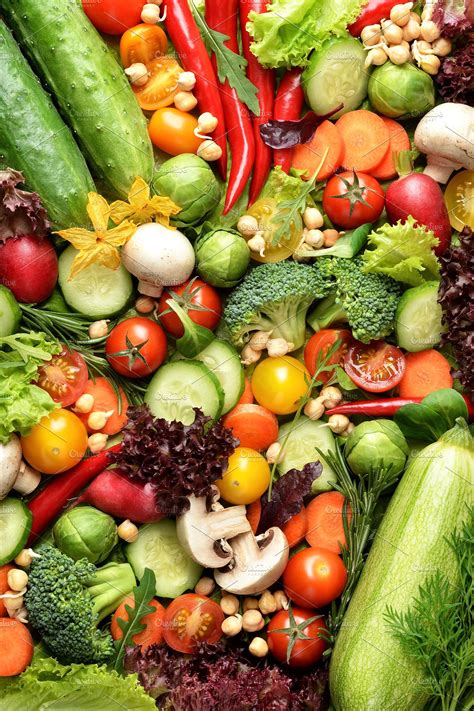
Choose Resilient Produce
- Hearty Greens: Opt for kale, collard greens, or romaine over delicate spinach or butter lettuce for salads that hold up.
- Robust Vegetables: Bell peppers, carrots, broccoli, and cabbage maintain their texture and color better than more watery options like cucumber or tomatoes when prepped in advance.
- Sturdy Fruits: Grapes, apples (sliced and treated), and berries are generally good choices, whereas bananas or avocados require special handling to prevent browning.
Strategic Pre-Preparation
How you cut and treat your ingredients impacts their freshness. Larger cuts of vegetables often last longer than finely diced ones due to less exposed surface area. For fruits and vegetables prone to oxidation (like apples, potatoes, or avocados), a quick dip in an acidic solution—water with a squeeze of lemon juice or a splash of white vinegar—can work wonders in preventing browning.
Mastering Storage: The Key to Freshness and Appearance
Proper storage is perhaps the most critical factor in maintaining the quality and aesthetic of your meal-prepped dishes.
Airtight Containers are Non-Negotiable
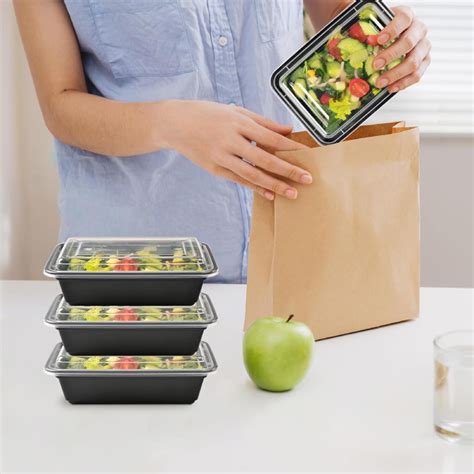
Exposure to air is the enemy of freshness. Invest in high-quality, airtight containers (glass is often preferred as it doesn’t absorb odors or colors and is microwave-safe). Fill containers as much as possible to minimize air pockets, but avoid overpacking, which can crush delicate components.
Control Moisture Levels
Excess moisture can lead to sogginess and faster spoilage. For dishes with sauces or dressings, store them separately and add just before serving. For greens, place a paper towel at the bottom and/or top of the container to absorb condensation. Ensure cooked grains are completely cooled before sealing to prevent steam build-up.
Layering for Success and Visual Appeal
When assembling your meals, think about layers. Place heavier, more robust ingredients (like grains or proteins) at the bottom, followed by vegetables, and finally delicate greens or garnishes on top. This prevents crushing and keeps components distinct. For salads, keep dressing on the side or layer it at the very bottom, beneath heartier ingredients, to avoid direct contact with lettuce.
Revitalizing Your Meals: Reheating and Last-Minute Touches
Even with the best prep, reheating can sometimes dull a dish. Smart reheating and last-minute additions can bring your meals back to life.
Gentle Reheating Techniques
- Microwave with Care: Use short bursts and stir frequently to ensure even heating without overcooking. A damp paper towel over the dish can help retain moisture.
- Oven or Toaster Oven: Ideal for crispy items like roasted vegetables or baked proteins, preventing them from becoming soggy.
- Stovetop: Great for saucy dishes, stir-fries, or anything that benefits from a quick refresh over medium heat.
Add Fresh Elements Just Before Serving
A sprinkle of fresh herbs (cilantro, parsley, chives), a squeeze of lemon or lime, a dash of flaky sea salt, or a handful of toasted nuts or seeds can dramatically improve both the flavor and visual appeal of a reheated meal. These small additions provide texture, brightness, and a burst of fresh flavor.

Presentation Matters: Making Every Meal Photo-Ready
While the internal freshness is paramount, the final presentation often dictates how much you enjoy your meal. Even for a quick lunch, taking a moment to arrange your food can make a world of difference.
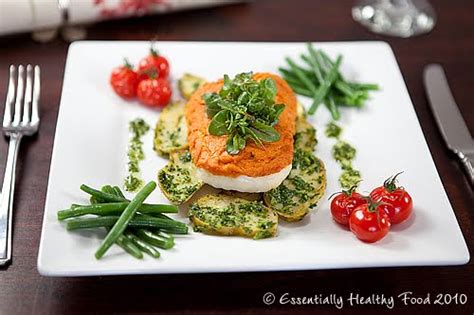
When you transfer your prepped meal from its container to a plate, arrange components thoughtfully. A drizzle of a vibrant dressing, a sprinkle of sesame seeds, or a few colorful vegetable strips can transform a plain dish into an inviting culinary experience. Remember, we eat with our eyes first!
Conclusion
With these methods, you can transform your meal prep from a practical necessity into an enjoyable ritual that delivers both convenience and culinary delight. By focusing on ingredient choice, intelligent storage, and smart reheating techniques, you’ll ensure your prepped meals consistently look as good as they taste, keeping you motivated and well-fed throughout your busy week.