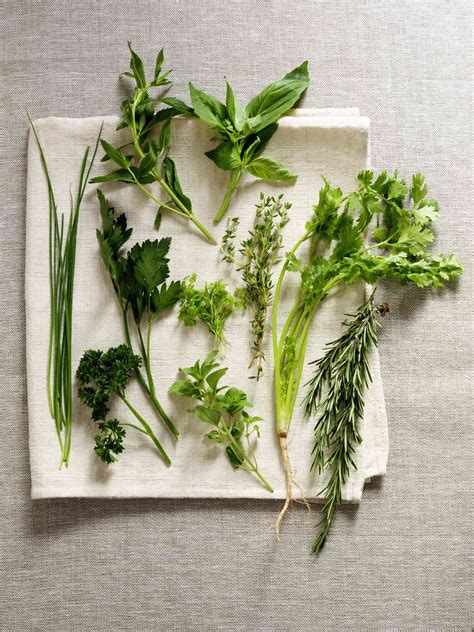
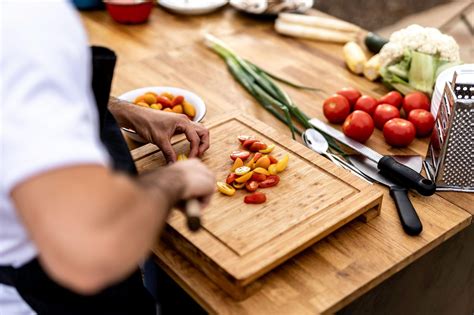
Best storage for fresh herbs to maintain visual appeal & flavor for your foodie feeds?

For any true foodie, fresh herbs are non-negotiable. They elevate dishes from good to gourmet, adding layers of flavor, aroma, and a crucial pop of color. But the joy of a vibrant bunch of basil or cilantro can quickly turn to dismay as they wilt, brown, and lose their potency within days. For those meticulously crafting dishes for their “foodie feeds,” maintaining that pristine visual appeal is just as important as the flavor itself. This guide will help you master the art of herb preservation, ensuring your culinary masterpieces always shine.
The Culinary & Visual Dilemma of Fresh Herbs
The delicate nature of fresh herbs means they are highly perishable. Exposure to air, improper temperature, and lack of moisture can quickly degrade their cellular structure, leading to wilting, discoloration, and a significant loss of essential oils that define their flavor. For visual content creators, a sad, limp garnish can detract from an otherwise perfect shot. The goal is to extend their vibrant life, preserving both their taste and their photogenic qualities.
Fundamental Principles of Herb Preservation
Effective herb storage revolves around managing moisture, temperature, and airflow. Different herbs, however, have different needs. Understanding these nuances is key to selecting the most effective storage method. Generally, cold temperatures slow down decay, while controlled humidity prevents drying out without promoting mold.

Tailored Storage for Tender Herbs (Basil, Cilantro, Parsley, Mint)
These herbs are characterized by their softer stems and delicate leaves. They thrive in conditions that mimic a vase of flowers:
- Trim Stems: Upon bringing them home, trim about an inch off the bottom of the stems.
- Water Bath: Place the trimmed stems upright in a glass jar or container with about an inch of fresh water, similar to a bouquet of flowers.
- Cover & Refrigerate: For most tender herbs (excluding basil, which prefers room temperature), lightly cover the leaves with a loose plastic bag to create a mini-greenhouse effect and place in the refrigerator. Change the water every 1-2 days.
- Basil Exception: Basil is sensitive to cold and can blacken in the fridge. Store it at room temperature, away from direct sunlight, using the same water-in-a-jar method, but without the plastic bag.
This method keeps them hydrated and fresh for up to a week, often longer, maintaining their vibrant color and plump leaves ideal for garnishing.
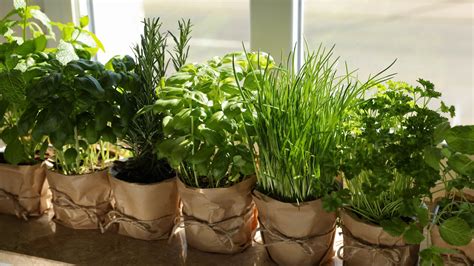
Optimal Storage for Hardy Herbs (Rosemary, Thyme, Oregano, Sage)
Hardy herbs have tougher, woodier stems and more robust leaves. They don’t need a water bath but benefit from a controlled, slightly damp environment:
- Wash (Optional): If the herbs are very dirty, a quick rinse under cold water is fine, but ensure they are thoroughly dry before storage to prevent mold.
- Damp Paper Towel: Wrap the herbs loosely in a slightly damp (not wet) paper towel.
- Airtight Container/Bag: Place the wrapped herbs into a resealable plastic bag or an airtight container.
- Refrigerate: Store them in the crisper drawer of your refrigerator.
This method can keep hardy herbs fresh for 2-3 weeks, keeping them firm and flavorful for repeated use in your cooking and as rustic garnishes.
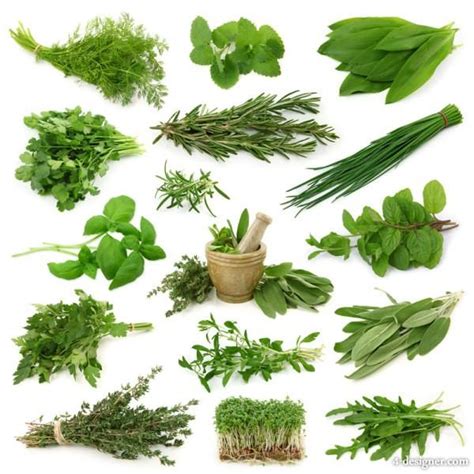
Advanced Tips for Extended Freshness & Foodie Appeal
- Don’t Wash Until Use: For most herbs, it’s best to wash them right before you’re ready to use them. Excess moisture from washing can promote spoilage during storage.
- Freezing for Longer Term: If you have an abundance of herbs, consider freezing them. Chop herbs finely, pack them into ice cube trays, and cover with a neutral oil or water. Once frozen, transfer the cubes to a freezer-safe bag. This method preserves flavor, though visual appeal for garnishes might be diminished.
- Aesthetic Trimming: Before using, always trim any discolored or damaged leaves to ensure only the freshest, most appealing parts make it into your dish and onto your “feed.”

Reviving Wilted Herbs (Emergency Fix)
If you find your herbs looking a bit droopy, don’t despair! A quick ice water bath can often bring them back to life. Submerge wilted herbs in a bowl of ice water for 15-30 minutes. This rehydrates the cells, often restoring their crispness and vibrancy, making them suitable for last-minute garnishes.
Displaying Your Beautifully Preserved Herbs
Well-maintained fresh herbs are an asset to any foodie’s kitchen and content. Whether elegantly chopped over a pasta dish, artfully placed alongside a roasted chicken, or even just sitting pretty in a water jar on your counter, their freshness speaks volumes. Proper storage ensures they are always ready for their close-up, enhancing both the taste and the visual narrative of your culinary journey.

By implementing these simple yet effective storage techniques, you can significantly extend the life and beauty of your fresh herbs. No more sad, wilted greenery diminishing your plating efforts or flavor profiles. Keep your herbs vibrant, your dishes delicious, and your foodie feeds truly Instagram-worthy!