Best swaps for seasonal veggies without losing recipe aesthetic?

Embracing seasonal eating is fantastic for flavor, freshness, and often, your wallet. However, it can sometimes present a challenge: how do you adapt your favorite recipes when a key ingredient isn’t in season, especially without compromising the visual appeal that makes the dish so inviting? The good news is, with a little creativity and understanding of vegetable characteristics, you can make seamless swaps that keep your recipes looking as good as they taste.
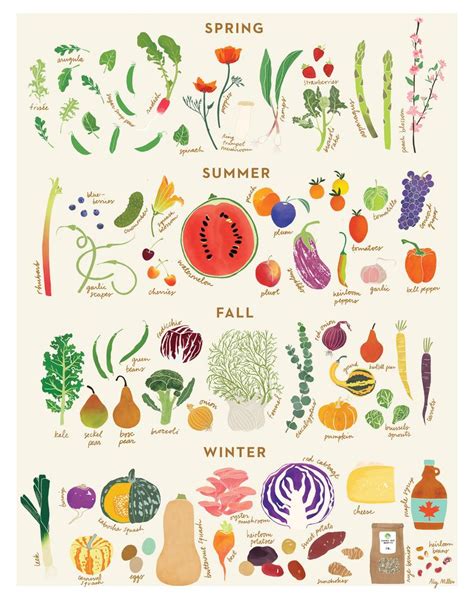
The Art of the Visual Swap: Why Aesthetics Matter
Food is first eaten with the eyes. A vibrant, well-composed dish can elevate the dining experience, making it more enjoyable and even enhancing perceived flavors. When swapping vegetables, it’s not just about flavor and texture; it’s about maintaining or even enhancing the dish’s original color palette, shape, and overall presentation. This requires thoughtful consideration beyond just ‘what tastes similar’.
Understanding the Fundamentals of Aesthetic Swapping
- Color Matching: Aim for similar hues (e.g., bright green for bright green, deep red for deep red) or complementary colors that enhance the dish.
- Texture Consideration: Match crisp with crisp, tender with tender, or starchy with starchy to maintain mouthfeel.
- Shape and Form: Consider how the original vegetable was cut or presented. Can your swap replicate a similar visual element?
- Cooking Method Compatibility: Ensure your substitute can withstand or benefit from the same cooking process (roasting, sautéing, steaming, etc.).
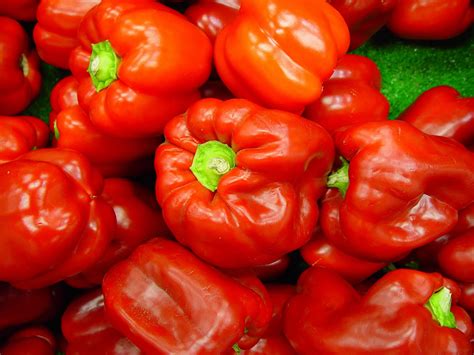
Common Veggie Categories and Their Aesthetic Swaps
Let’s explore some popular vegetable categories and how to make smart, visually pleasing substitutions:
Leafy Greens: From Hearty to Delicate
When your recipe calls for a specific leafy green that’s out of season, think about its texture and color intensity. For sturdy greens like kale or collards, consider swapping in Swiss chard (especially colorful varieties) or even blanched bok choy for a similar body and vibrant green. For delicate greens like arugula or spinach, try baby spinach, butter lettuce, or watercress, focusing on maintaining a fresh, lively green and tender bite.
Root Vegetables: Grounding Hues and Textures
Root vegetables offer a wonderful range of earthy tones and hearty textures. If carrots are out, consider parsnips for a similar shape and firm texture (though lighter in color), or sweet potatoes for vibrant orange and a slightly sweeter profile. Beets can beautifully substitute for other reddish-purple ingredients, offering a deep hue and earthy flavor. For white potatoes, consider celeriac or even daikon radish, depending on the desired crispness or starchiness.
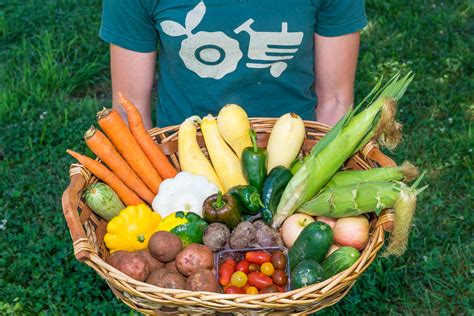
Squash & Gourds: Versatility in Form and Flavor
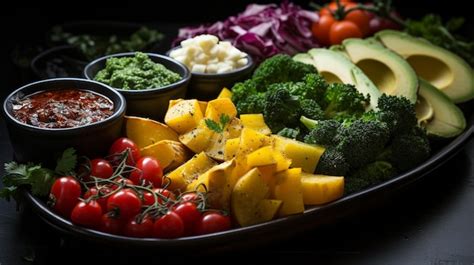
The squash family is incredibly diverse. When winter squash like butternut or acorn are unavailable, summer squash varieties like zucchini, yellow squash, or pattypan squash can be excellent stand-ins, especially when cut similarly. For dishes requiring a touch of sweetness and vibrant color, consider firm fruits like persimmons or even baked apples, depending on the recipe’s overall profile.
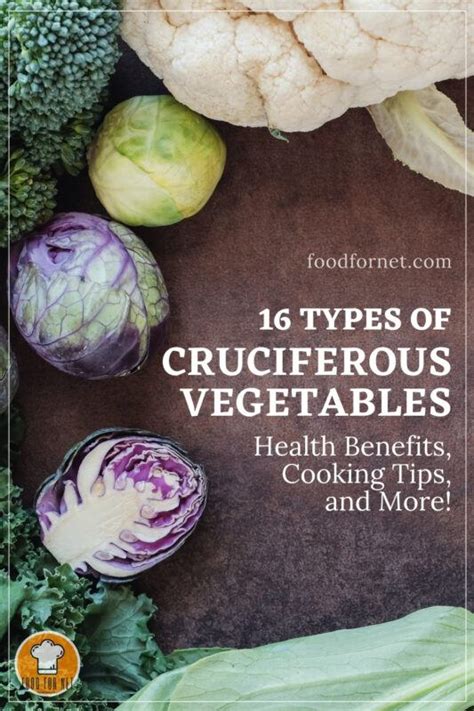
Cruciferous Cousins: Textural Depth and Form
Broccoli and cauliflower are staples for good reason. If you’re looking for an aesthetic swap, romanesco offers a stunning fractal shape and similar texture. Kohlrabi, cut into wedges, can also provide a crunchy, slightly peppery bite. For Brussels sprouts, consider small cabbages cut into quarters or even sturdy mushrooms like king oysters, which can be sliced and seared for a similar ‘meaty’ texture and brown crispness.
Tips for Flawless Aesthetic Swaps
- Embrace Complementary Colors: Sometimes, a direct color match isn’t necessary. A splash of contrasting color can make a dish pop.
- Vary Cutting Techniques: How you cut your vegetables can dramatically alter their appearance. Experiment with different dice, julienne, or rustic cuts.
- Consider Garnishes: Fresh herbs, edible flowers, citrus zest, or a drizzle of colorful oil can elevate the aesthetic of any dish, bridging gaps in color or texture.
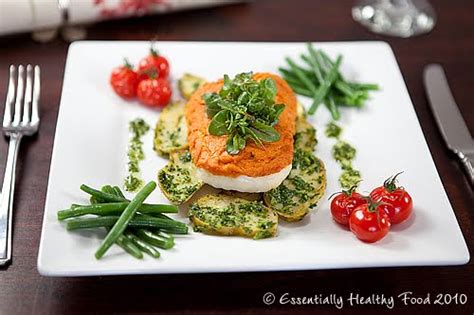
- Master Plating: Even the simplest swaps can look gourmet with thoughtful arrangement. Pay attention to balance, height, and negative space.
By understanding the visual and textural qualities of various vegetables, you can confidently make seasonal swaps without sacrificing the beauty of your culinary creations. It’s an opportunity to be creative, discover new favorites, and ensure your dishes always look as delicious as they are.