Best techniques to make *any* recipe visually stunning & intensely flavorful?

Introduction: Beyond Basic Sustenance
Cooking is often seen as a necessary chore, but it’s truly an art form capable of delighting all senses. Transforming a simple dish into a memorable culinary experience involves more than just following a recipe; it requires a blend of visual flair and sophisticated flavor development. This guide will reveal the best techniques to make *any* recipe, no matter how humble, visually stunning and intensely flavorful, turning every meal into a masterpiece.
The Foundation of Visual Appeal: Color, Texture, and Contrast
The first bite is always with the eyes. A visually appealing dish stimulates appetite and anticipation. Focus on incorporating a variety of colors through fresh ingredients like vibrant vegetables, herbs, and sauces. Think about contrasting textures: the crunch of toasted nuts against creamy soup, the crisp skin of a roasted chicken with tender meat, or the delicate greens atop a rich stew. Thoughtful arrangement also plays a crucial role; avoid piling ingredients haphazardly. Instead, consider height, negative space, and a clear focal point.

Layering Flavors for Unforgettable Taste
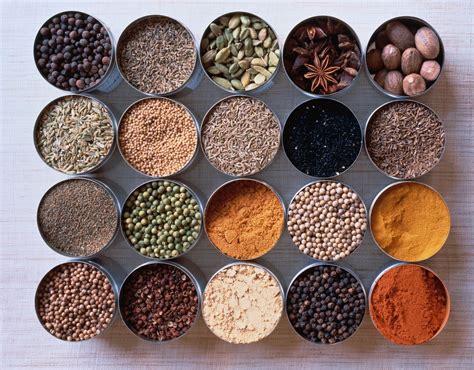
Intense flavor isn’t about adding more of one ingredient; it’s about building layers. Start with a strong base (like sautéed aromatics such as garlic, onions, and celery). Introduce different flavor profiles throughout the cooking process: sweetness (caramelized onions, a touch of honey), acidity (lemon juice, vinegar, wine), umami (mushrooms, soy sauce, Parmesan), heat (chiles, black pepper), and richness (butter, olive oil). Taste frequently and adjust, ensuring each element complements rather than overwhelms the others.
Consider the “flavor journey” from the first taste to the finish. Does it evolve? Does it leave a lasting impression? Using fresh herbs at different stages – some cooked in, some added at the end for brightness – is a simple yet effective way to add complexity.
Mastering Essential Cooking Techniques
The way you cook ingredients fundamentally impacts their flavor and texture. Searing creates a delicious caramelized crust (Maillard reaction) on meats and vegetables, locking in juices and adding depth. Deglazing the pan after searing with wine, broth, or vinegar captures all those flavorful browned bits, forming the base for incredible sauces. Roasting vegetables at high heat concentrates their natural sugars, resulting in a sweeter, more intense flavor profile. Reducing sauces intensifies their taste by simmering to evaporate water, leaving behind a concentrated essence.
The Power of Freshness and Thoughtful Garnishes
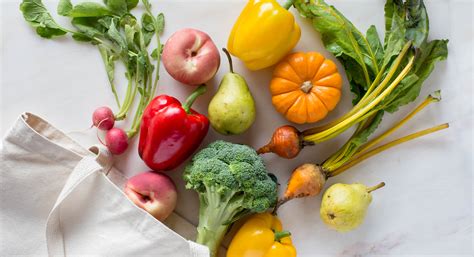
Even the most complex dish can fall flat without a touch of freshness. A squeeze of fresh lemon or lime juice just before serving can brighten heavy flavors and add a zesty counterpoint. A sprinkle of freshly chopped herbs (parsley, cilantro, chives) not only adds vibrant color but also introduces an aromatic lift. Toasted nuts or seeds provide a textural crunch and nutty depth. A drizzle of high-quality extra virgin olive oil or a sprinkle of flaky sea salt as a finishing touch can elevate the entire dish, providing a final layer of richness or seasoning that hits the palate just right.
Strategic Plating: The Final Touch
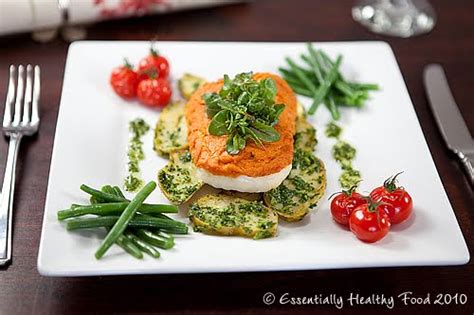
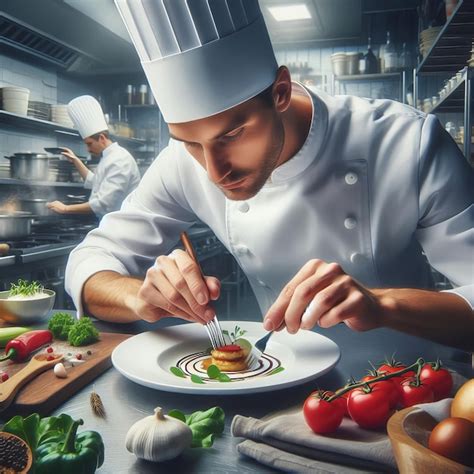
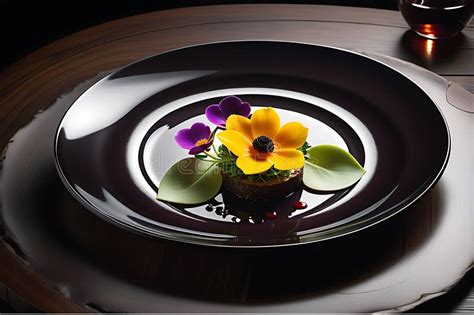
Once the cooking is done, presentation takes center stage. Choose appropriate serving dishes – often, a simple white plate allows the food to shine. Think about the “rule of odds” for components, arranging items in groups of three or five for a more dynamic look. Create height where possible, perhaps by stacking elements or leaning them against each other. Always wipe the edges of your plate clean before serving to ensure a professional, polished finish. Consider a final drizzle of sauce or a delicate sprig of herb to tie everything together.
Conclusion: Cook with Confidence and Creativity
Making any recipe visually stunning and intensely flavorful is an accessible skill that simply requires attention to detail and a willingness to experiment. By focusing on contrasts in color and texture, building layers of flavor, mastering key cooking techniques, embracing freshness, and applying thoughtful plating principles, you can transform everyday meals into extraordinary culinary experiences. Don’t be afraid to practice, taste, and adjust – your palate and your guests will thank you!