Best techniques to retain vibrant color in cooked vegetables for visual appeal?

Vibrant, colorful vegetables don’t just look appealing on a plate; they often signal freshness, proper cooking, and preserved nutrients. Dull, drab vegetables, on the other hand, can make even the most delicious meal seem unappetizing. Fortunately, retaining that stunning visual appeal in your cooked produce is entirely achievable with a few key techniques. Let’s dive into the science and practical tips that will keep your vegetables bursting with color.
The Science Behind Vegetable Colors
To understand how to keep vegetables colorful, it helps to know what causes their hues. Different pigments react uniquely to heat, acidity, and alkalinity:
- Chlorophyll (Greens): Found in leafy greens like spinach, broccoli, and kale. Chlorophyll is sensitive to heat and acid, which can turn it olive green or gray.
- Carotenoids (Yellows, Oranges, Reds): Present in carrots, bell peppers, tomatoes, and corn. Carotenoids are relatively stable to heat and pH changes, making them easier to retain their color.
- Anthocyanins (Reds, Purples, Blues): Found in red cabbage, beets, and blueberries. These pigments are highly sensitive to pH; acid enhances red tones, while alkaline conditions can shift them to blue or even green.
Blanching and Shocking: The Golden Rule for Greens
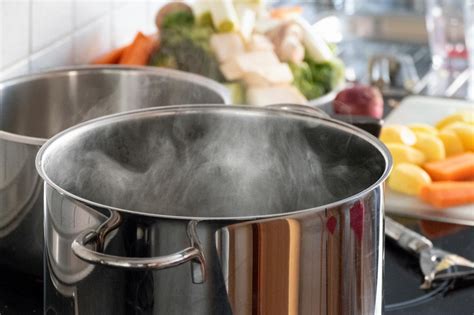
For most green vegetables, blanching followed by an ice bath (shocking) is the gold standard for preserving vibrant color. Blanching involves briefly immersing vegetables in rapidly boiling, salted water, then immediately plunging them into ice water to halt the cooking process.
This technique achieves several things: it brightens the chlorophyll, sets the color, and partially cooks the vegetables while retaining a crisp texture. It’s perfect for broccoli, green beans, asparagus, and spinach.
Mastering Cooking Times and Methods
Overcooking is arguably the biggest culprit behind faded vegetable colors. Prolonged heat breaks down cell walls and pigments, leading to dullness and mushiness. Opt for quick-cooking methods whenever possible:
- Steaming: A gentle method that cooks vegetables quickly while minimizing nutrient loss and color degradation.
- Stir-Frying: High heat and rapid movement ensure vegetables cook fast and stay crisp and colorful.
- Sautéing: Similar to stir-frying, quick sautéing over medium-high heat with minimal fat helps retain vibrancy.
- Roasting: While longer, high-heat roasting can caramelize vegetables beautifully, enhancing their natural colors. Just be sure not to overdo it.
Always cook vegetables only until they are crisp-tender. This short cooking time helps preserve their natural pigments.

The pH Factor: Acid, Alkali, and Color
The acidity or alkalinity of your cooking environment plays a significant role in color retention, especially for greens and purples.
- For Green Vegetables: Avoid adding acidic ingredients (like vinegar or lemon juice) at the beginning of cooking, as acid will quickly dull green vegetables. If using, add them at the very end. Some chefs advocate for a tiny pinch of baking soda (alkaline) in the boiling water for green vegetables to enhance vibrancy, but use with extreme caution as too much can turn vegetables mushy and bitter.
- For Red and Purple Vegetables: Acid enhances red and purple hues (think red cabbage cooked with a splash of vinegar). Alkaline conditions can turn these vegetables bluish or green. For instance, if you want red cabbage to stay vibrant purple-red, add a touch of acid during cooking.
Choosing the Right Equipment and Preparation
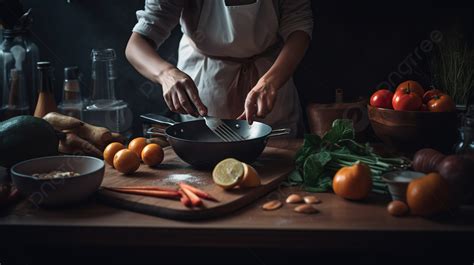
Even your equipment and prep can impact color:
- Large Pots for Boiling: Use a large pot with plenty of water for blanching to ensure the water temperature doesn’t drop too much when vegetables are added, allowing for quicker, more even cooking.
- Even Cuts: Uniformly sized vegetable pieces cook at the same rate, preventing some pieces from becoming overcooked and dull while others are still raw.
- Don’t Overcrowd: Whether boiling, steaming, or stir-frying, avoid overcrowding your pan. This drops the temperature, steaming rather than searing, leading to longer cooking times and less vibrant results.
Immediate Serving and Storage Tips
For peak visual appeal, serve vegetables immediately after cooking. If you must prepare them in advance, employ the blanch-and-shock method, then store them properly.
Once blanched and shocked, vegetables can be refrigerated in an airtight container for a day or two. Reheat quickly, perhaps with a quick sauté or steam, just before serving to refresh their appearance and texture without overcooking.
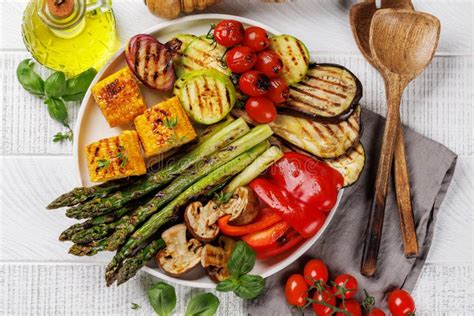
Retaining vibrant colors in cooked vegetables is a skill that elevates your culinary creations from good to gourmet. By understanding the science behind pigments and employing simple techniques like blanching, precise timing, and pH awareness, you can ensure your dishes are not only delicious but also feast for the eyes. Practice these methods, and enjoy the beauty and improved quality of your colorful vegetable dishes!