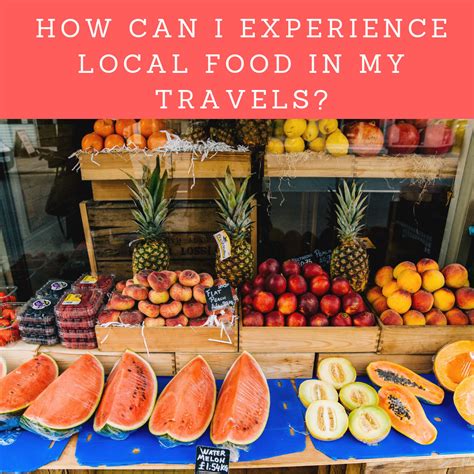
Best tips for capturing drool-worthy food adventure photos for your feed?

Are you a passionate foodie with a camera, eager to immortalize your culinary escapades but often find your photos don’t quite capture the magic of the moment or the deliciousness of the dish? Turning a plate of food into a visual masterpiece for your feed requires more than just pointing and shooting. It’s an art form that combines lighting, composition, and storytelling. Let’s dive into the essential techniques that will elevate your food adventure photos from bland to absolutely brilliant.
Master the Art of Natural Lighting
The single most important ingredient for mouth-watering food photos is good lighting, and natural light is almost always your best bet. Avoid harsh direct sunlight, which creates strong shadows and blown-out highlights. Instead, seek out soft, diffused light, like that from a window or an open doorway. Position your food near the light source, ideally with the light coming from the side or slightly behind the dish. This technique adds depth and texture, making the food look more appetizing. If the light is too strong, use a thin white cloth or a diffuser to soften it.

Composition is Key: Angles and Framing
Once you have your light, think about how you’re framing the shot. Different foods look better from different angles. A tall burger or a layered cake might shine with a straight-on shot, emphasizing its height. A beautifully plated pasta dish or a spread of tapas often benefits from an overhead ‘flat lay’ perspective, showcasing the entire arrangement. For drinks or dishes with interesting textures on top, a 45-degree angle can be perfect. Don’t be afraid to experiment with the rule of thirds, placing your subject slightly off-center for a more dynamic and engaging photo. Use negative space wisely to let your subject breathe and stand out.
Styling Your Culinary Story
The dish itself is the star, but supporting elements can make or break the shot. Think about the background: is it cluttered or does it complement the food? Simple, neutral backgrounds (like a wooden table, a plain wall, or a linen tablecloth) work best. Consider adding subtle props that tell a story – a fork, a napkin, a drink, or even ingredients used in the dish. Don’t overdo it; every element should serve a purpose and not distract from the main subject. Clean plates and bowls are non-negotiable, and a little drizzle or garnish can often make a huge difference.
Focus on the Details that Dazzle
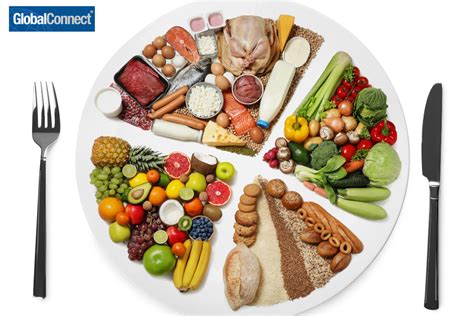
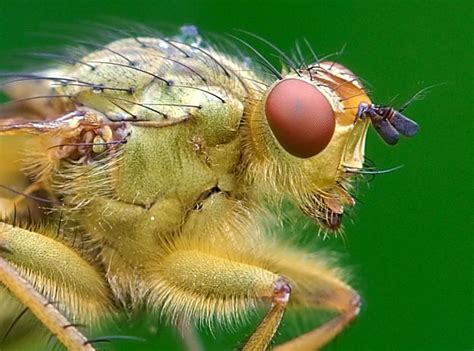
Sometimes, it’s the tiny details that truly make a photo irresistible. Use a wide aperture (low f-number) on your camera or phone to create a shallow depth of field, blurring the background and making your food pop. Focus sharply on the most appetizing part of the dish – perhaps the glistening glaze on a pastry, the vibrant color of a sauce, or the crisp edges of a fried item. Capture steam rising from a hot dish, a perfectly melted cheese pull, or a generous scoop of ice cream just as it begins to melt. These fleeting moments add an element of freshness and sensory appeal.
Post-Processing Polish (Don’t Overdo It!)
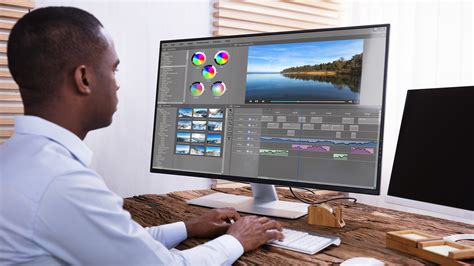
Even the best raw photos can benefit from a little post-processing. Apps like Lightroom Mobile, Snapseed, or VSCO allow you to adjust brightness, contrast, saturation, and white balance. Aim to enhance the photo, not transform it completely. A slight boost in saturation can make colors more vibrant, while adjusting white balance can correct any color casts. Crop to improve composition and sharpen slightly for crisp details. The goal is to make the food look even more appealing, not artificial. Remember, subtle edits go a long way.
Beyond the Plate: Tell a Story
Food adventures are about more than just the meal itself; they’re about the experience. Capture the ambiance of the restaurant, the bustling market where you found fresh ingredients, or the hands preparing the dish. Include elements like a menu, a local drink, or even your travel companion’s delighted reaction. These broader shots add context and create a richer narrative for your food story, making your feed more engaging and personal.
With these tips in your arsenal, you’re well on your way to transforming your food adventure photos into truly drool-worthy content. Practice, experiment, and most importantly, have fun exploring the delicious world through your lens. Your followers (and your taste buds!) will thank you.