Best tips for perfectly fresh herbs that last longer?

The Secret to Long-Lasting Fresh Herbs
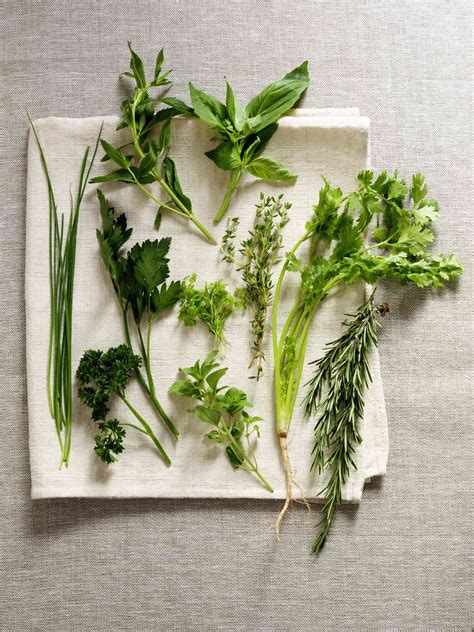
Fresh herbs are the soul of many dishes, infusing them with vibrant flavors and inviting aromas. However, their delicate nature often means they wilt and lose their potency quickly, leading to wasted ingredients and a scramble for substitutes. But what if you could extend their life, keeping them perfectly fresh and ready for action whenever inspiration strikes? It’s entirely possible with a few smart techniques.
From tender basil to hardy rosemary, each herb has its unique preferences for storage. Understanding these nuances is key to preventing premature spoilage and ensuring your kitchen is always stocked with fragrant green goodness. Let’s dive into the best methods to keep your herbs fresh, vibrant, and ready to elevate your cooking.
Preparation is Key: Wash and Dry Thoroughly
Before you even think about storage, proper preparation is crucial. Most herbs come with dirt or residues, so a gentle wash is usually necessary. Rinse your herbs under cool running water. The most critical step follows: drying them completely. Excess moisture is the enemy of fresh herbs, promoting mold and decay.
- For Tender Herbs (Parsley, Cilantro, Mint): Gently blot them with paper towels or use a salad spinner for best results. Ensure every leaf is dry.
- For Hardy Herbs (Rosemary, Thyme, Oregano): These are a bit more forgiving but still benefit from thorough drying.
Refrigeration Methods: Tailored for Tender & Hardy Herbs
Tender Herbs: The Bouquet Method
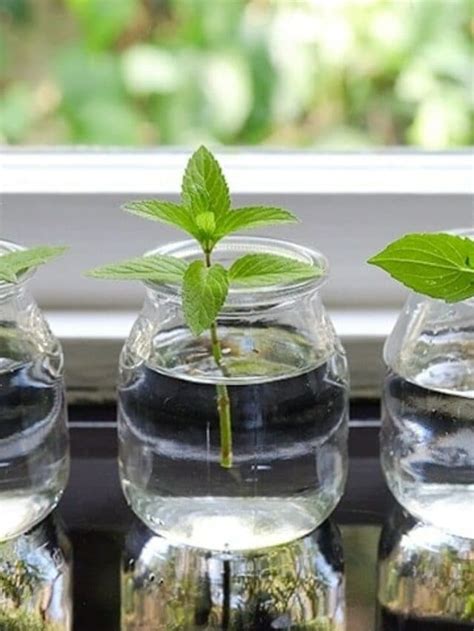
Herbs like parsley, cilantro, dill, mint, and tarragon thrive with a little hydration. Treat them like a bouquet of flowers:
- Snip off the very ends of the stems.
- Place the herb bunch, stem-side down, into a jar or glass with about an inch of water at the bottom.
- Cover the leaves loosely with a plastic bag (a produce bag works perfectly) to create a humid environment and prevent drying out.
- Change the water every day or two. Store in the refrigerator. This method can keep them fresh for 1-2 weeks.
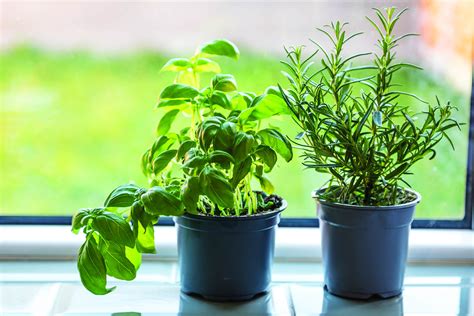
Special Note on Basil: While basil is a tender herb, it’s sensitive to cold and can blacken in the refrigerator. Store basil at room temperature using the bouquet method, away from direct sunlight.
Hardy Herbs: The Damp Paper Towel Roll
Herbs such as rosemary, thyme, oregano, chives, and sage prefer a slightly different approach. They don’t need direct water on their stems once dried:
- Wrap the thoroughly dried herb sprigs in a slightly damp paper towel.
- Place the wrapped herbs inside a resealable plastic bag or an airtight container.
- Store in the crisper drawer of your refrigerator. This method can keep hardy herbs fresh for up to 3 weeks.
Freezing for Long-Term Storage
If you have an abundance of herbs and want them to last for months, freezing is an excellent option. This method is especially great for herbs you plan to use in cooked dishes, as their texture might change slightly after thawing.
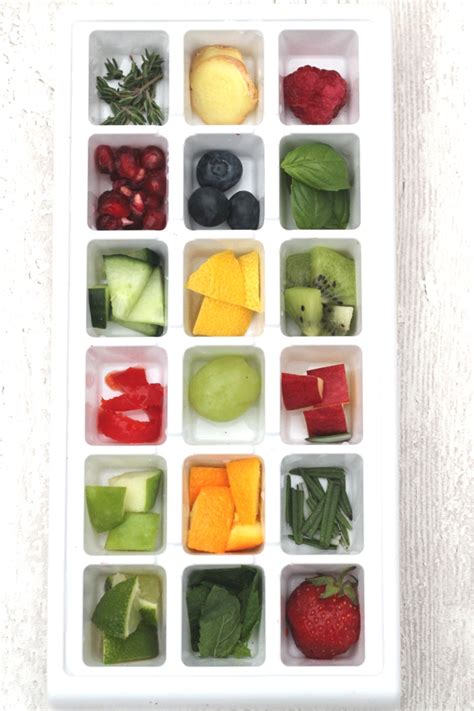
Herb Ice Cubes
A popular and convenient method:
- Finely chop your herbs (e.g., parsley, cilantro, chives, oregano, thyme).
- Pack the chopped herbs into ice cube trays, filling each compartment about two-thirds full.
- Pour olive oil or melted butter over the herbs until covered. Water or broth can also be used, depending on your culinary intent.
- Freeze until solid. Once frozen, pop out the cubes and transfer them to a freezer-safe bag or container.
These herb cubes are perfect for tossing into soups, stews, sauces, or roasting vegetables, adding a burst of fresh flavor without the need for fresh herbs on hand.
Freezing Whole Sprigs
Some hardy herbs, like rosemary and thyme, can also be frozen whole. Simply lay clean, dry sprigs on a baking sheet to freeze individually, then transfer to a freezer bag or container.
Drying Herbs: A Timeless Preservation Method
Drying is an ancient method that transforms fresh herbs into concentrated flavor bombs. While dried herbs have a different flavor profile than fresh, they are invaluable for many recipes. Herbs like oregano, thyme, rosemary, marjoram, and bay leaves are excellent candidates for drying.
- Air Drying: Tie small bunches of herbs together and hang them upside down in a warm, dry, well-ventilated area away from direct sunlight. This can take 1-3 weeks.
- Oven Drying: Lay herbs on a baking sheet lined with parchment paper. Bake at the lowest temperature setting (usually 180-200°F / 80-90°C) with the oven door slightly ajar for a few hours, checking frequently until brittle.
- Dehydrator: Follow your dehydrator’s instructions for specific herbs.
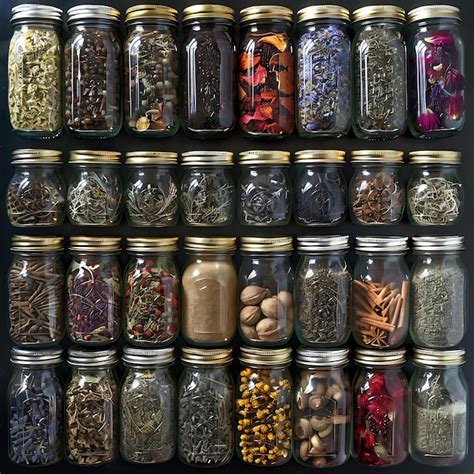
Once completely dry, strip the leaves from the stems and store them in airtight containers in a cool, dark place. They can last for up to a year.
Final Tips for Herb Longevity
- Inspect Regularly: Even with the best methods, keep an eye on your herbs. Remove any wilting or discolored leaves immediately to prevent spoilage from spreading.
- Buy Wisely: Start with the freshest herbs possible. Look for vibrant color and firm leaves, avoiding any with yellowing or sliminess.
- Store Properly From the Start: As soon as you get your herbs home, implement your chosen storage method. Don’t leave them on the counter to wilt.
With these straightforward tips and techniques, you can say goodbye to prematurely wilted herbs and hello to a kitchen consistently stocked with fragrant, flavorful additions. Embrace these methods, and your culinary adventures will thank you!