Best tips for vibrant veggie storage to keep dishes visually stunning?

Why Vibrant Veggies Are a Feast for the Eyes
In the world of culinary arts, presentation is nearly as important as taste. A dish that looks good is instantly more appealing, and nothing adds a burst of life to your plate quite like vibrantly colored vegetables. But how do you keep your produce looking farm-fresh and lively from the moment you bring it home until it graces your dinner table? It all comes down to smart storage. Proper preservation not only maintains their stunning hues but also their nutritional value and crisp texture, elevating every meal.

Understanding Different Veggie Needs
Not all vegetables are created equal, and their storage requirements vary significantly. A one-size-fits-all approach often leads to wilted greens, rubbery carrots, or sprouted potatoes. The key is to understand the specific needs of each type of produce to maximize its lifespan and aesthetic appeal.
Root Vegetables: Cool, Dark, and Dry
Carrots, potatoes, onions, garlic, and beets thrive in cool, dark, and relatively dry environments. Potatoes and onions should be stored separately, as onions release gases that can accelerate potato spoilage. A pantry, cellar, or even a breathable mesh bag in a cupboard works wonders for these hardy vegetables. Keep them away from direct sunlight, which can cause potatoes to turn green and develop a bitter taste.
Leafy Greens: Moisture and Air Circulation
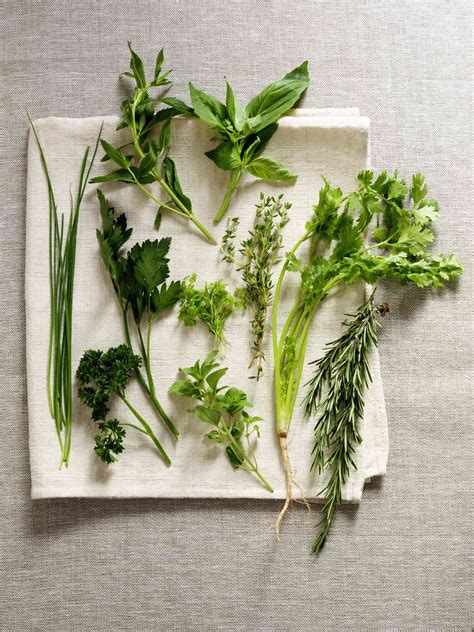
Spinach, kale, lettuce, and herbs are prone to wilting due to moisture loss. To keep them crisp and green, wash them thoroughly, then dry them completely using a salad spinner or paper towels. Store them wrapped in a damp paper towel inside an airtight container or a reusable produce bag in the crisper drawer of your refrigerator. This creates a humid environment without waterlogging, allowing them to breathe while retaining moisture.

Mastering Moisture Control
Moisture is a double-edged sword when it comes to vegetable storage. Too little leads to wilting, while too much encourages mold and rot. The goal is balance.
The Power of the Crisper Drawer
Your refrigerator’s crisper drawers are designed for a reason. The ‘high humidity’ drawer is ideal for leafy greens, while the ‘low humidity’ drawer is better for fruits and vegetables that emit ethylene gas (like apples and avocados) or those that need less moisture, such as bell peppers and zucchini. Learn to use these drawers effectively, and you’ll see a dramatic improvement in your produce’s shelf life.
Hydration for Herbs and Stalks
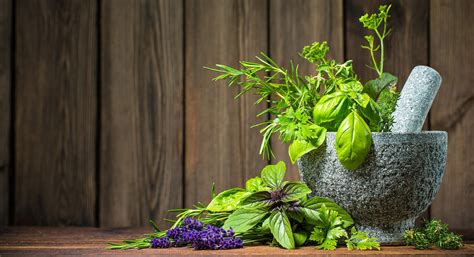
For woody herbs like parsley, cilantro, and asparagus, treat them like a bouquet of flowers. Trim the ends and place them upright in a glass of water, covering the tops loosely with a plastic bag. Change the water every couple of days. This method keeps them hydrated and vibrant for much longer.
Temperature and Ethylene Awareness
Temperature plays a crucial role, but so does proximity to certain fruits. Ethylene gas, produced by some ripening fruits, can cause neighboring vegetables to spoil prematurely.
Fridge vs. Countertop
Some vegetables, like tomatoes, should not be refrigerated until fully ripe, as the cold can mute their flavor and make them mealy. Bell peppers, cucumbers, and eggplants can be stored on the counter for a few days, but will last longer in the fridge. Items like potatoes, onions, and garlic should always be kept in a cool, dark pantry, not the refrigerator.
Separate Ethylene Producers
Keep ethylene-emitting fruits (apples, bananas, pears, peaches, avocados) away from ethylene-sensitive vegetables. These include broccoli, lettuce, carrots, cucumbers, and leafy greens, which can yellow, soften, or develop spots when exposed to the gas. Store them in separate drawers or areas of your kitchen.
Advanced Tips for Peak Freshness
For those looking to go the extra mile, a few advanced techniques can further extend the vibrancy of your vegetables.
Pre-Prepping and Storing
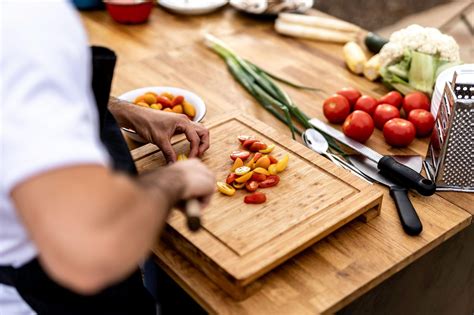
Washing, drying, and even chopping some vegetables ahead of time can make meal prep a breeze and, when done correctly, can help preserve their freshness. Store pre-chopped vegetables in airtight containers lined with a paper towel to absorb excess moisture. This is particularly effective for carrots, celery, and bell peppers.
Blanching for Longer-Term Storage
If you have an abundance of vegetables, blanching them (briefly boiling then plunging into ice water) before freezing is an excellent way to lock in their color, flavor, and nutrients for months. This process stops enzyme actions that cause spoilage, ensuring your veggies emerge from the freezer almost as vibrant as they went in.
Conclusion: A Palette of Perfection
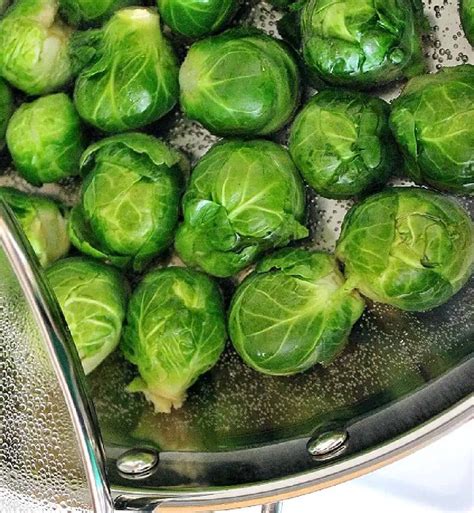
By implementing these smart storage tips, you’ll not only reduce food waste but also ensure your kitchen is always stocked with a vibrant palette of fresh, crisp vegetables. From brilliant greens to radiant reds, maintaining the visual appeal of your produce will undoubtedly elevate your cooking and turn every meal into a stunning culinary masterpiece. Embrace these practices, and let your dishes shine with natural, wholesome beauty.