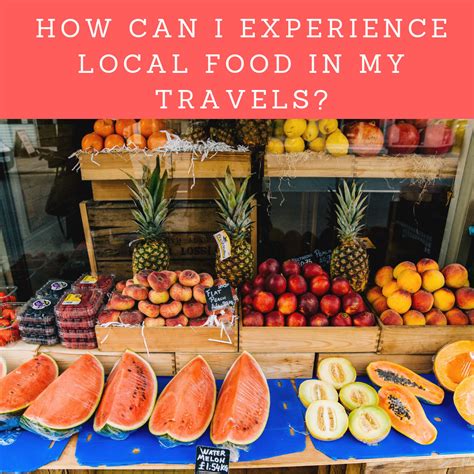
Best tips for visually capturing authentic local flavors on food adventures?
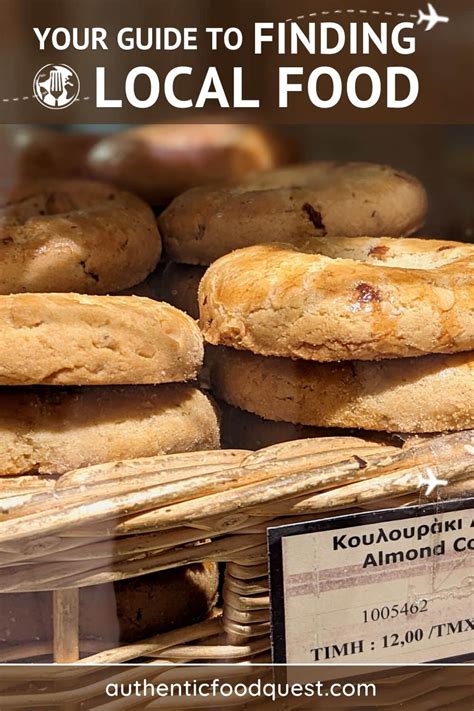
Beyond the Plate: Capturing the Soul of Local Cuisine
Food adventures are a feast for all senses, but visually capturing the authentic spirit of local flavors requires more than just pointing and shooting. It’s about storytelling, understanding culture, and embracing the environment. Whether you’re a seasoned foodie or a casual traveler, these tips will help you transform your culinary discoveries into captivating visual narratives that truly convey the taste, aroma, and atmosphere of your journey.
The goal isn’t just to document what you ate, but to convey the experience – the sizzle, the spice, the bustling market, the quiet cafe, and the hands that prepared it. Authenticity in food photography on the road means embracing the imperfections and celebrating the context.
Embrace the Environment: Context is Key
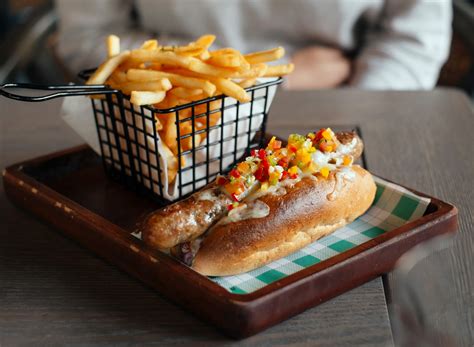
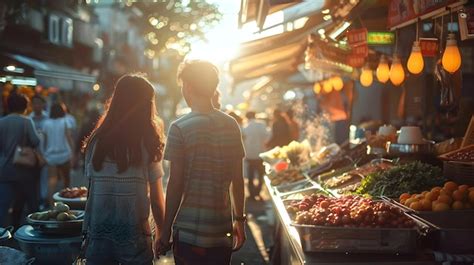
To truly capture authentic local flavors, your lens needs to go beyond just the dish itself. Look for the elements that provide context: the vibrant colors of a spice market, the rustic charm of a street food stall, the intricate details of a restaurant’s decor, or the genuine smile of a vendor. These environmental details aren’t just background noise; they are crucial components of the story of the food.
Shoot the preparation process, the ingredients, the bustling crowd around a popular eatery, or the unique serving dishes. These wider shots help place the food within its cultural landscape, adding depth and meaning to your visual narrative. Think about the entire scene, not just the subject.
Mastering Natural Light: Your Best Ingredient
Good lighting is paramount in food photography, and on food adventures, natural light is your most reliable friend. Avoid using harsh direct flash, which can flatten food and distort its true colors. Instead, seek out diffused natural light, such as near a window, under an awning, or in the shade. Overcast days offer fantastic soft light that’s ideal for making food look appetizing.
Pay attention to the direction of light. Side lighting can create beautiful shadows and textures, enhancing the dimensionality of your dish. Backlighting, when used carefully, can highlight steam or add a lovely glow to drinks. Experiment with different angles to find what best illuminates the dish’s unique characteristics.
Composition and Angles: Making the Food the Hero
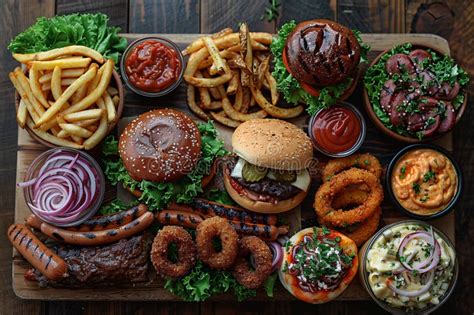
Consider your composition carefully to make the food the undisputed star. The ‘rule of thirds’ can be a great starting point, placing your main subject off-center for a more dynamic shot. Don’t be afraid to get close – extreme close-ups can highlight interesting textures and details, like the crispiness of a fried delicacy or the intricate garnish.
Experiment with different angles. An overhead ‘flat lay’ shot works wonderfully for showcasing a spread of dishes or a beautifully arranged plate. Eye-level shots provide a more intimate perspective, mimicking how one would naturally view the food. A 45-degree angle is often a safe bet, showing both the top and some side elements of a dish. Don’t forget to clean up the frame, removing distractions that might detract from the food.
Embrace Authenticity and Imperfection
Authentic food photography on adventures isn’t about perfectly styled, studio-lit dishes. It’s about capturing real moments and real food. Don’t be afraid of a little mess, a drip, a crumb, or the steam rising from a freshly prepared meal. These elements add realism and make the food appear more inviting and genuine. Capture the candid moments: hands reaching for a shared plate, a chef intently stirring a pot, or the laughter of diners.
Let the food speak for itself. Sometimes, the most beautiful shots are those that show the dish exactly as it’s served in its native environment, reflecting the true culinary culture without excessive embellishment. The bustling energy of a street food scene, the rustic charm of a family-run eatery – these are the visual cues that convey true authenticity.
Engage All Your Senses Before You Shoot
Before you even lift your camera, take a moment to engage your other senses. What do you smell? What sounds do you hear? What textures do you see? Understanding the dish – its ingredients, how it’s made, and its cultural significance – will guide your photography. If possible, observe the cooking process, ask questions, and learn about the local traditions. This deeper appreciation will translate into more thoughtful and evocative images.
Think about the story behind the dish. Is it a generational recipe? Is it a street food staple? Knowing these details will inspire you to frame your shots in a way that communicates more than just the visual appeal, but also the heritage and soul of the flavor.
Minimal Gear, Maximum Impact
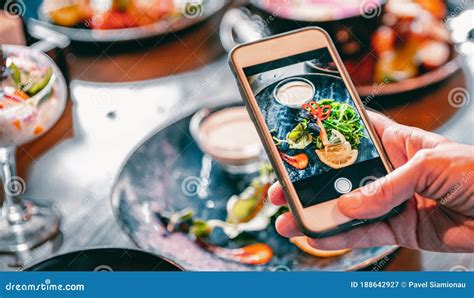
You don’t need a professional camera setup to capture stunning food photos on your travels. Modern smartphones are incredibly capable. Learn to use your phone’s manual settings or download a camera app that gives you more control over exposure and focus. Focus on sharp detail, good lighting, and thoughtful composition, and your smartphone photos can rival those taken with more elaborate gear.
Consider carrying a small, portable reflector (even a piece of white cardstock can work) to bounce light and fill in shadows. A small tripod can be helpful for stability in low light, but often, your hands are enough. The most important ‘gear’ you have is your eye for detail and your passion for storytelling through food.
Conclusion: Telling a Delicious Story
Visually capturing authentic local flavors is an art that enhances the entire food adventure experience. By focusing on context, mastering natural light, employing thoughtful composition, embracing authenticity, and engaging all your senses, you’ll move beyond simple snapshots to create powerful visual narratives. These images won’t just remind you of what you ate; they’ll transport you back to the vibrant streets, the unique aromas, and the unforgettable moments of your culinary explorations, allowing you to share the true essence of your delicious discoveries with the world.