Best tips for visually documenting authentic food adventures?
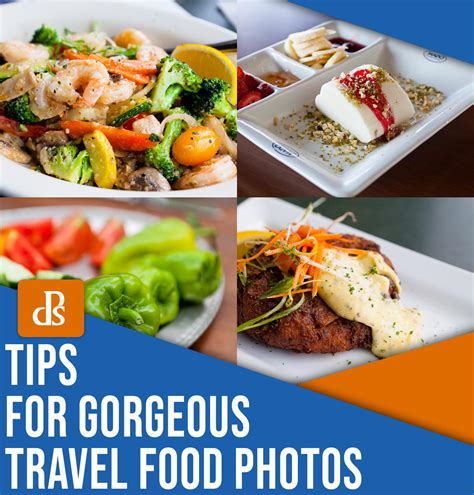
When embarking on culinary journeys, the flavors and aromas are paramount, but visually documenting these authentic food adventures allows you to relive those moments and share them vividly with others. Beyond just snapping a quick picture, thoughtful visual storytelling can transport your audience directly to the bustling markets, rustic kitchens, and vibrant dining scenes you experience.
Embrace the Environment and Culture
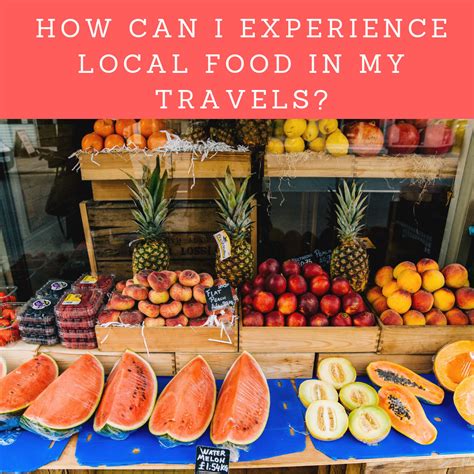
To truly convey the authenticity of your food adventure, don’t just focus on the dish itself. Capture the broader context: the vibrant market stalls where ingredients are sourced, the hands meticulously preparing the meal, the unique local setting of a street food vendor, or the traditional decor of a family-run restaurant. These elements provide crucial narrative and deepen the viewer’s understanding of the culinary experience. Show the people, the place, and the process to build a richer visual story.
Master the Art of Natural Light
Lighting is perhaps the most critical factor in food photography. Always seek out natural light, as it enhances textures and colors in a way artificial flash rarely can. Position your subject near a window or outdoors, avoiding direct harsh sunlight which can create blown-out highlights and deep shadows. Overcast days or shaded areas provide beautiful, soft, diffused light. If shooting indoors at night, consider using a portable LED light panel with a diffuser to mimic natural light, or embrace the ambient glow for a moody, atmospheric shot, but always prioritize natural sources when possible.
Tell a Story Through Composition
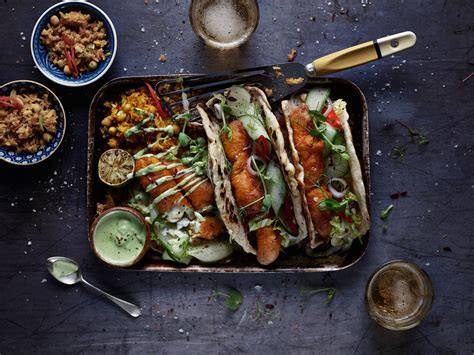
Think beyond a simple overhead shot. Experiment with different angles – a low angle can make a dish look grand, while a close-up can highlight intricate details and textures. Use the rule of thirds to create balanced and engaging compositions. Incorporate human elements like hands holding a utensil or sharing a meal to add a personal touch. Don’t be afraid to show the before and after, from raw ingredients to the finished plate, or even the joyful expression of someone enjoying the food. Each shot should contribute to the overall narrative of your adventure.
Focus on Authenticity and Imperfection
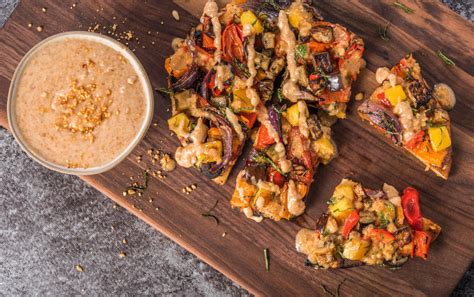
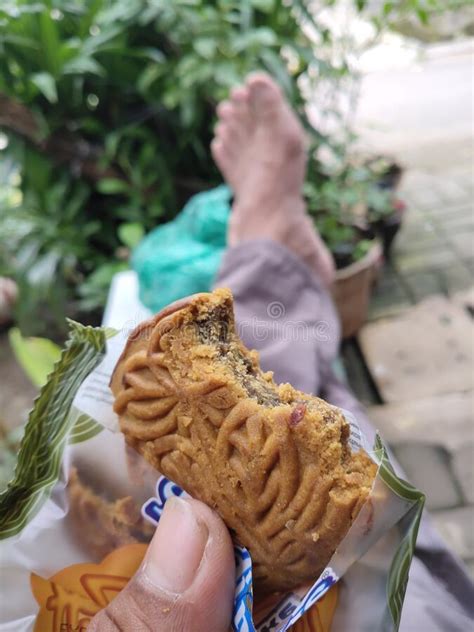
Authenticity is key. Don’t over-style or try to make everything look pristine if it isn’t. Embrace the imperfections – a crumbly pastry, a sauce drip, or a rustic presentation often tell a more genuine story than a perfectly polished setup. Focus on the details that make the food unique to its origin: the specific spices, the traditional serving ware, or the cooking method. Capture candid moments of preparation or interaction to highlight the true spirit of the culinary journey.
Utilize Your Tools Wisely and Edit Thoughtfully
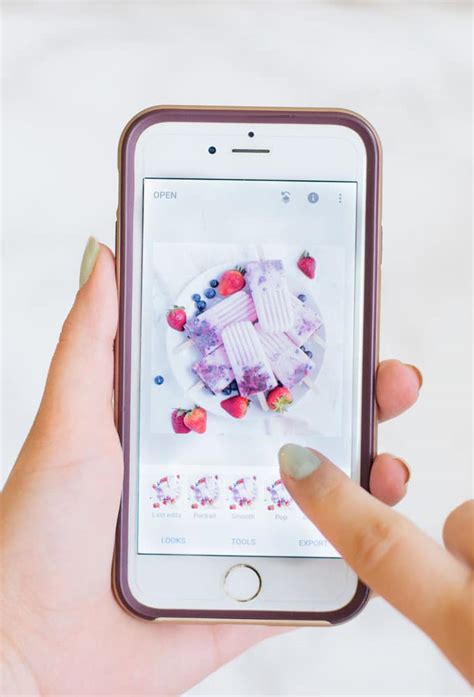
You don’t need professional gear to capture stunning food photos; a modern smartphone with a good camera is often sufficient. Learn to use its portrait mode for depth of field and manual controls for exposure. If using a dedicated camera, experiment with different lenses. Post-processing can elevate your images, but do so subtly. Adjust brightness, contrast, and color balance to enhance the natural beauty of the food without making it look artificial. The goal is to refine, not to reinvent.
By applying these tips, you’ll move beyond simple snapshots to create a rich, visual diary of your authentic food adventures. Each image will be a vivid reminder of the flavors, cultures, and experiences you encountered, allowing you to share your journey with captivating detail.