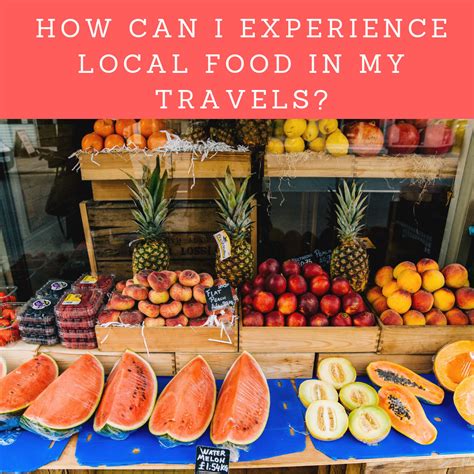
Best tips for visually documenting authentic local food finds?

When traveling, discovering and enjoying local food is often a highlight. But how do you capture those authentic culinary moments visually, in a way that truly conveys the experience? It’s more than just snapping a picture of a plate; it’s about storytelling. This guide will equip you with the best tips to visually document your authentic local food finds, turning them into lasting memories and engaging narratives.
Embrace the Environment
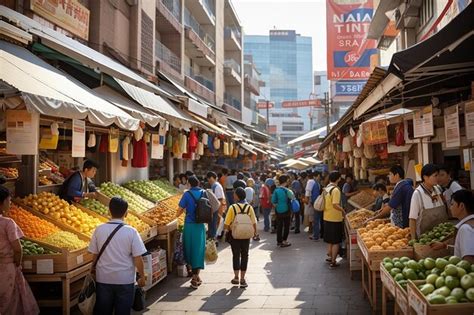
The setting where you find local food is often as crucial as the dish itself. Whether it’s a bustling street market, a quaint family-run eatery, or a vibrant food stall, these environments add immense context and authenticity to your visuals. Don’t just isolate the food; frame it within its natural habitat. Show the chaos, the charm, the local patrons, and the unique atmosphere that makes the place special.
Think about wide shots that capture the general vibe, and then zoom in for details. Include elements like cooking implements, traditional signage, or the hands of a vendor preparing food. These visual cues transport your audience directly into the heart of the culinary scene.
Focus on the Food Itself
Once you’ve set the scene, turn your attention to the star: the food. Aim for clarity, vibrant colors, and textures that make the dish almost tangible. Use close-ups to highlight unique ingredients, intricate presentation, or the steam rising from a freshly prepared meal. Think about the “hero shot” – the one photo that perfectly encapsulates the essence of that particular dish.

Pay attention to angles. Sometimes a bird’s-eye view works best for a spread of dishes, while a slightly lower angle can give a single bowl more depth and presence. Remove distractions from the background to keep the focus sharp on the food.
Capture the Human Element
Authentic local food often comes with authentic local people. The chefs, the vendors, the diners – their interactions, expressions, and techniques are all part of the story. Capturing these human elements can infuse your documentation with emotion and a sense of connection. Show the pride in a chef’s eyes, the skilled hands of a baker, or the joy on a local’s face as they savor a meal.

Always be respectful when photographing people. A quick smile and gesture for permission can go a long way in creating a comfortable atmosphere and capturing genuine moments. These images add depth and a unique cultural perspective that a picture of just food alone cannot provide.
Master Lighting and Composition
Good lighting is paramount in food photography. Natural light is almost always your best friend – seek it out whenever possible. Overcast days provide soft, diffused light, while direct sunlight can create interesting shadows but requires careful management. Avoid using harsh overhead flash, which often flattens images and creates undesirable reflections.

Composition involves arranging elements within your frame. Use the rule of thirds, leading lines, and negative space to create visually appealing and balanced shots. Experiment with different perspectives and depths of field to highlight specific aspects of the food or scene. A well-composed shot can transform a simple meal into a work of art.
Tell a Story Beyond the Plate
Your visual documentation should be more than a collection of pretty pictures; it should tell a story. Think about the journey of the food from farm to table, the cultural significance of certain dishes, or the evolution of your own culinary adventure. Combine different types of shots – wide, medium, close-up, and detail – to create a comprehensive narrative.
Consider the sequence of your photos if you’re compiling an album or blog post. Start with the overall scene, introduce the people, showcase the food, and perhaps end with a detail that lingers. This narrative approach makes your documentation engaging and memorable.
Documenting authentic local food finds is an art form that enhances your travel experiences. By focusing on the environment, the food itself, the human element, mastering lighting and composition, and consciously telling a story, you can create a captivating visual record of your culinary adventures. So, next time you’re exploring a new destination, remember these tips and let your camera tell the delicious tale.