Best Visual Bite format to showcase food texture & taste on mobile?

In the fiercely competitive digital landscape, capturing the essence of food — its texture, aroma, and taste — on a small mobile screen is a formidable challenge. For brands, restaurateurs, and food creators, the goal is to create “visual bites” that don’t just show food but evoke an experience. This article explores the most effective formats to tantalize mobile audiences and convey the full sensory richness of culinary creations.
The Power of Visual Bites in Food Storytelling
Mobile screens are often the first, and sometimes only, point of contact between food and its potential consumer. Traditional static images, while beautiful, often fall short in conveying the dynamic qualities of food. Visual bites, characterized by their brevity, impact, and mobile-first design, aim to bridge this gap by offering a sensory preview that stimulates appetite and curiosity. The key is to make viewers feel as if they can almost reach out and touch, smell, or taste the dish themselves, all through a tiny screen.
Short-Form Video: The Dynamic Storyteller
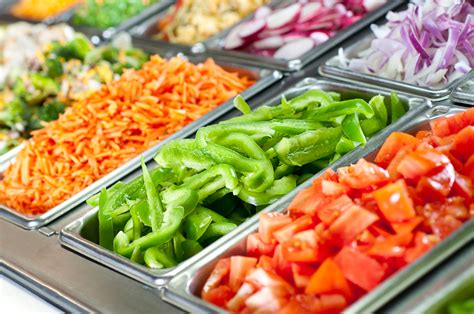
Undoubtedly, short-form video reigns supreme for showcasing food texture and taste on mobile. Platforms like TikTok, Instagram Reels, and YouTube Shorts are built for this. The format allows for dynamic action shots that highlight key textures – think gooey cheese pulls, sizzling steaks, bubbling sauces, or the satisfying crunch of a perfectly fried item. Ultra-close-ups, slow-motion effects, and quick cuts can emphasize specific attributes. ASMR (Autonomous Sensory Meridian Response) elements, such as crisp crunches or smooth pouring sounds, further engage the senses, making the experience immersive even without physical interaction. The brevity keeps attention high, while the visual movement directly communicates qualities impossible to convey in a still shot.
Cinemagraphs & GIFs: Subtle Motion and Focus
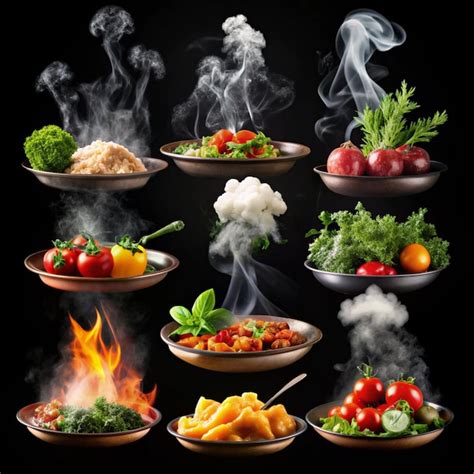
While full videos are powerful, cinemagraphs and GIFs offer unique advantages, especially for conveying specific textures or processes with a refined aesthetic. A cinemagraph is a still photograph in which a minor and repeated movement occurs, forming a video clip. Imagine a steaming cup of coffee, a gentle stir in a soup, or slowly melting chocolate. This subtle motion draws the eye to the specific textural element without the overwhelming information of a full video, often lending a premium or artistic feel. GIFs, on the other hand, are excellent for short, looping actions that highlight a particular texture or reaction – the fizz of a drink, the bounce of a jelly, or the stretch of dough. They are highly shareable and load quickly, making them ideal for quick, impactful bursts of visual information.
High-Quality Photography & Carousels: Macro and Multi-Perspective
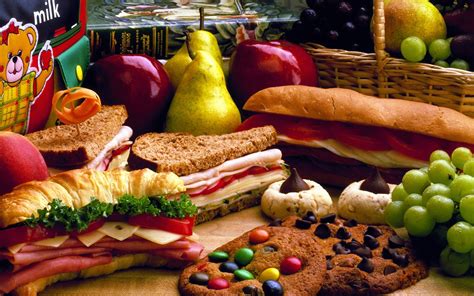
Although dynamic formats are dominant, high-quality photography still plays a crucial role, especially when combined with mobile-specific features like carousels. A series of perfectly composed still images can tell a story. Macro photography can zoom in on the intricate details of texture – the flaky layers of a pastry, the individual grains of rice, or the glistening marinade on a piece of meat. Carousels allow users to swipe through multiple perspectives: an overhead shot of the full dish, a cross-section revealing internal textures, an ingredient shot, or even a ‘before and after’ of a cooking process. Each image contributes to building a comprehensive understanding of the dish’s appeal, complementing dynamic content.
Key Strategies for Maximum Impact
- Focus on Sensory Triggers: Think about what makes food appealing beyond just its looks. Is it the crunch, the ooze, the steam, the vibrant colors? Highlight these.
- Optimal Lighting: Natural, soft lighting enhances texture and color without harsh shadows.
- Close-Ups and Angles: Get in close. Experiment with angles that best show off the texture. A top-down shot might show arrangement, but a side shot reveals layers and depth.
- Keep it Brief & Mobile-First: Attention spans are short. Content should be easily digestible on a small screen, often without sound initially.
- Authenticity Over Perfection: While high quality is key, showing the naturalness and realness of food can often be more appealing than overly staged perfection.

Conclusion
Successfully conveying food texture and taste on mobile requires a strategic blend of visual storytelling techniques. Short-form videos excel in dynamism and sensory immersion, while cinemagraphs and GIFs offer subtle, focused textural highlights. High-quality carousel photography provides depth through multiple perspectives and intricate macro shots. By thoughtfully employing these visual bite formats, creators can transcend the limitations of the mobile screen, transforming viewers into eager consumers ready to experience the full deliciousness firsthand.