Best Visual Bite formats to hook real foodies and drive full recipe clicks?

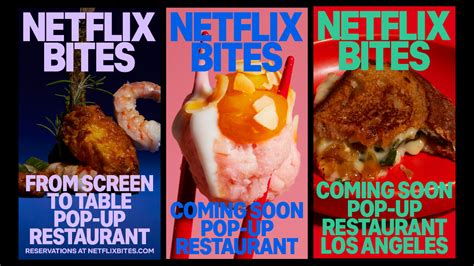
In today’s fast-paced digital landscape, captivating the attention of discerning foodies requires more than just great recipes; it demands an immediate, mouth-watering visual hook. Visual bites are the appetizers of the digital world, designed to stop scrolls, spark curiosity, and ultimately drive users to explore the full culinary experience. But which formats truly resonate and convert glances into clicks?
The Power of a Perfect Visual Bite
A “visual bite” is a highly condensed, aesthetically pleasing piece of food content designed for quick consumption and maximum impact. Think of it as a teaser trailer for your masterpiece recipe. Its primary goal is to convey deliciousness, simplicity, or ingenuity in mere seconds, leaving the viewer hungry for more. For real foodies, who often scroll through endless feeds, a compelling visual is the gatekeeper to their interest.
The culinary world thrives on sensory experience, and visual bites are the digital equivalent of that first aromatic whiff or a stunning presentation. They tap into emotional responses, triggering cravings and inspiring action. Without an effective visual bite, even the most extraordinary recipe can remain undiscovered.
Top Visual Bite Formats to Capture Attention
1. Dynamic Short-Form Video (Reels, TikTok, YouTube Shorts)
Hands down, short-form video reigns supreme for engagement. Formats like Instagram Reels, TikTok, and YouTube Shorts allow creators to showcase a recipe’s entire journey in 15-60 seconds. This isn’t just about showing the final dish; it’s about the sizzle, the chop, the stir, the melt, and the assembly. Quick cuts, satisfying sounds, and engaging music create an immersive mini-story that’s incredibly effective at demonstrating texture, technique, and the sheer joy of cooking.
- Key Elements: Rapid transitions, satisfying ASMR-like sounds (e.g., chopping, sizzling), appealing close-ups, clear process steps, and an energetic pace.
- Why it works: It’s experiential, highly shareable, and provides a multi-sensory preview that static images can’t match.
2. High-Quality Photography (Carousels, Pinterest Pins)
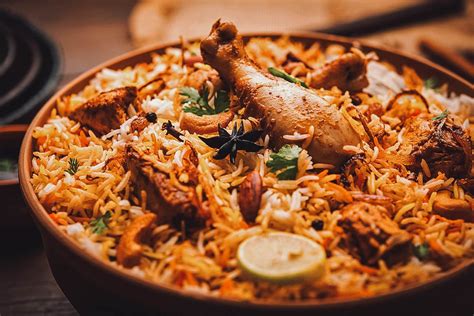
While video dominates, the power of a stunning still image is far from diminished. High-resolution, expertly styled food photography remains critical, especially on platforms like Instagram (carousel posts) and Pinterest. A series of perfectly composed images can tell a story, highlight key ingredients, or show different stages of preparation, culminating in an irresistible final product.
- Key Elements: Excellent lighting (natural light preferred), thoughtful composition, appealing props, vibrant colors, focus on texture, and multiple angles.
- Why it works: It allows viewers to linger, absorb details, and appreciate the artistry. Carousels offer a sequential narrative without the pressure of video.
3. GIFs and Cinemagraphs
Bridging the gap between static images and full video, GIFs and cinemagraphs offer a unique visual appeal. A GIF can show a quick, looping action (e.g., cheese pull, sauce drizzle, cookie dunk) that’s more dynamic than a photo but less demanding than a video. Cinemagraphs, with their subtle, repeating motion within an otherwise still image, are particularly captivating and convey a sense of magic and elegance.
- Key Elements: Short, seamless loops; one focal point of motion; high visual quality.
- Why it works: They add an element of life and motion without requiring sound or significant time commitment, making them highly engaging in busy feeds.
4. Storytelling Graphics and Infographics
Sometimes, the “bite” is more about information presented visually. Beautifully designed graphics that highlight key ingredients, nutritional benefits, or quick tips (e.g., “5-ingredient meal,” “meal prep hacks”) can be highly effective. These can be single images or part of a carousel, using appealing typography and layout to make information digestible and attractive.
- Key Elements: Clear, concise text; attractive fonts; harmonious color palettes; strong visual hierarchy.
- Why it works: Appeals to the practical foodie looking for quick solutions or interesting facts, providing value beyond just aesthetic appeal.
Maximizing Clicks: Best Practices
Having compelling visual bites is only half the battle; getting foodies to click through to the full recipe is the ultimate goal. Here’s how to optimize your strategy:
- Clear Call to Action (CTA): Don’t assume users know what to do. Include explicit CTAs like “Tap for recipe,” “Link in bio for full instructions,” or “Watch the full video!”
- Intrigue, Don’t Reveal All: The visual bite should tease, not give away the entire recipe. Leave just enough mystery or practical need to encourage a click.
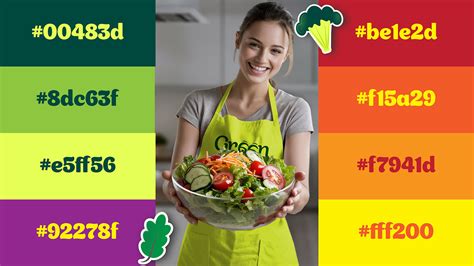
- Consistent Branding: Maintain a consistent visual style, color palette, and tone across all your visual bites to build brand recognition.
- Platform Optimization: Understand the native features and audience behavior of each platform. What works for TikTok might need adaptation for Pinterest.
- High-Quality from Start to Finish: Poor resolution or blurry visuals are instant turn-offs. Invest in good lighting, camera equipment (even a smartphone can suffice with good technique), and editing.
Ultimately, the best visual bite format is one that resonates most deeply with your target audience and effectively communicates the essence of your culinary creation. By strategically employing a mix of dynamic videos, stunning photography, subtle animations, and informative graphics, you can create an irresistible digital menu that not only hooks real foodies but consistently drives them to savor every last detail of your full recipes.