Best “Visual Bites” angles for food photography to drive recipe clicks?

In the vibrant world of digital food content, a recipe’s journey from discovery to execution often begins with a single, compelling image. Photography isn’t just about documenting food; it’s about storytelling, evoking emotion, and ultimately, driving action – specifically, clicking that tempting recipe link. The angle you choose can dramatically transform a simple dish into an irresistible visual bite.
The Power of the Right Angle
Think of your camera as a storyteller’s lens. Each angle offers a unique narrative perspective, highlighting different aspects of your dish and influencing how your audience perceives it. A well-chosen angle can make food appear more appealing, highlight texture, showcase ingredients, or simply make a viewer’s mouth water enough to want the recipe. Mastering these angles is key to converting casual browsers into eager cooks.
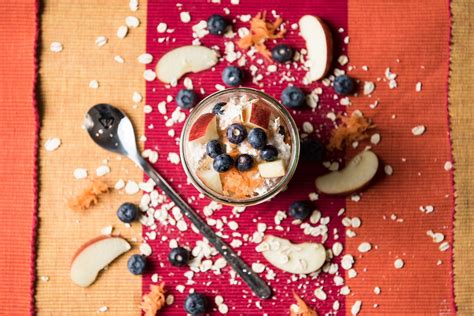
The God’s Eye View: Overhead/Flat Lay
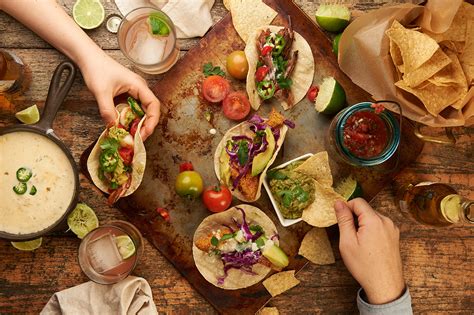
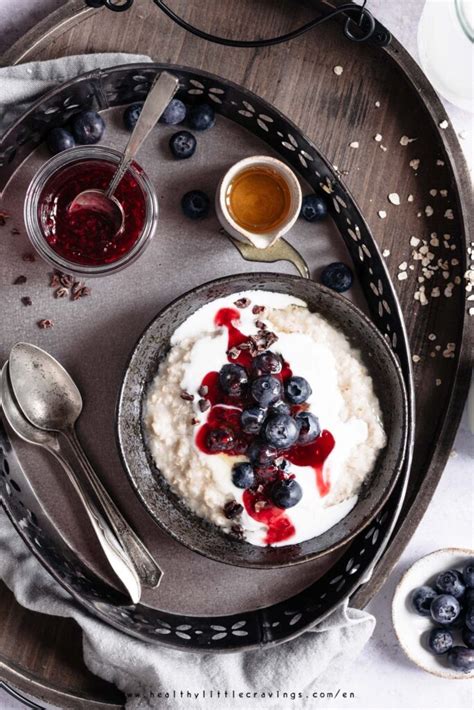
The overhead shot, also known as the flat lay, positions the camera directly above the food, looking straight down. This angle is superb for showcasing an entire spread, a bowl full of ingredients, or a single, beautifully plated dish within a styled scene. It’s fantastic for demonstrating context, patterns, and the overall composition of a meal or collection of items.
- Why it works for clicks: It provides a clear, comprehensive view, allowing viewers to grasp the full dish or meal at a glance, making it ideal for step-by-step visuals or showcasing variety. It’s clean, modern, and highly shareable.
- Best for: Breakfast spreads, charcuterie boards, salads, bowls, flat-breads, pizzas, and dishes where the top texture and presentation are key.
The Human Perspective: 45-Degree Angle
The 45-degree angle is arguably the most common and versatile in food photography, mirroring how we naturally view a plate of food when seated at a table. It offers a balanced perspective, showing both the top of the dish and some of its side profile, conveying depth and volume without distortion.
- Why it works for clicks: This angle feels natural and relatable, creating an inviting impression. It allows viewers to imagine themselves about to eat the dish, fostering a strong desire to try the recipe. It’s excellent for showcasing layering and texture.
- Best for: Almost any dish, particularly those with height and multiple layers like burgers, sandwiches, cakes, pies, and pasta dishes with prominent ingredients.
Up Close and Personal: Eye-Level Shots
Shooting at eye-level places the camera directly parallel to the food, offering an intimate and realistic view. This angle emphasizes the side profile, height, and texture of a dish, making it feel more present and tangible. It’s particularly effective for highlighting details that might be lost from above.
- Why it works for clicks: Eye-level shots create a strong sense of immediacy and connection. They allow viewers to appreciate the architectural beauty of a dish, such as the layers of a cake or the height of a stack of pancakes, making it incredibly tempting.
- Best for: Stacks (pancakes, burgers), drinks, cakes, pies, tall desserts, and anything where height and distinct layers are a focal point.
Detail-Driven: Macro and Close-Up Photography
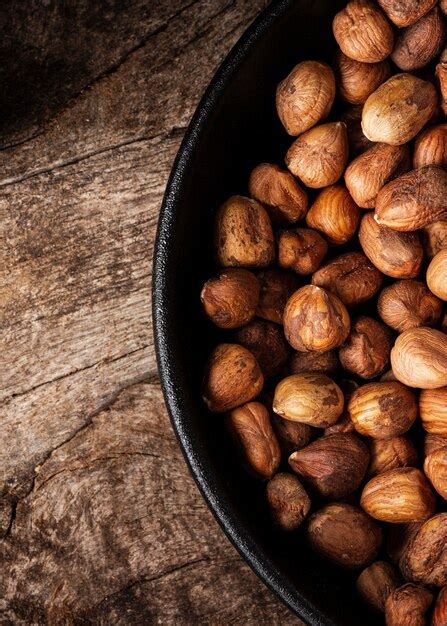
When you want to truly tantalize taste buds, zoom in! Macro and close-up photography focuses on a small section of the dish, highlighting intricate details like glistening sauces, crunchy textures, or a delicate sprinkle of herbs. These shots are about capturing the sensory experience that often drives craving.
- Why it works for clicks: These shots are pure sensory triggers. They emphasize texture, steam, drips, and the sheer deliciousness of the food, creating an irresistible visual that screams ‘eat me now!’ and pushes viewers towards the recipe.
- Best for: Highlighting specific ingredients, sauces, melted cheese, crumbly textures, steam rising from hot food, or the perfect bite.
The Impact on Recipe Clicks
Each angle serves a strategic purpose in the larger goal of driving recipe clicks. An overhead shot might grab attention on a social feed, a 45-degree shot might make the dish feel achievable, and a close-up might seal the deal with irresistible detail. The most successful food photographers don’t just take pretty pictures; they tell a story that makes viewers hungry for the recipe.
By consciously selecting angles, you control the narrative and the emotional response. Showcase a dish’s freshness with an overhead view of ingredients, its comforting warmth with an eye-level shot, or its indulgent texture with a close-up. Understanding your audience and the specific qualities of your dish will guide you to the most effective angle for conversion.
Experiment and Analyze
The best way to discover which angles resonate most with your audience is to experiment. Try shooting the same dish from multiple angles and observe which images perform best in terms of engagement and, crucially, recipe click-through rates. Tools like Google Analytics or social media insights can provide valuable data to refine your strategy.
Ultimately, compelling food photography is an art form driven by purpose. By thoughtfully considering your camera angles, you empower your ‘visual bites’ to not only look delicious but also to effectively guide your audience from admiration to action, translating stunning visuals into coveted recipe clicks.