Best Visual Bites lighting, angles, props for enticing new foodie recipe posts?

In the bustling world of food blogging and social media, a delicious recipe is only half the battle. To truly entice new followers and make your culinary creations shine, stunning visuals are paramount. Mastering the art of food photography involves a delicate balance of lighting, angles, and thoughtfully chosen props. This guide will walk you through the essential techniques to elevate your foodie recipe posts from good to absolutely mouth-watering.
Illuminating Your Dishes: The Power of Light
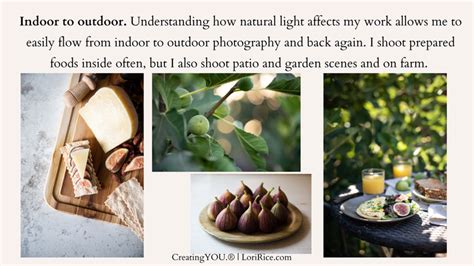
Light is the single most crucial element in food photography. It can make or break a shot, highlighting textures, colors, and the overall appeal of your dish. Natural light is often the preferred choice for its soft, diffused quality. Position your food near a window, ideally in indirect sunlight, to avoid harsh shadows and glare. Backlighting or sidelighting can create beautiful highlights and depth, making your food appear more appetizing.
If natural light isn’t available, or for more consistent results, artificial lighting can be equally effective. Use a softbox or diffused LED panel to mimic natural light. Always use diffusers to soften the light and reflectors (even a white foam board!) to bounce light back into the shadows, ensuring an even and appealing illumination of your dish.
Mastering Perspectives: Angles for Plate Perfection
The angle from which you photograph your food dramatically influences how it’s perceived. Different dishes benefit from different perspectives:
- The Overhead Shot (Flat Lay): Perfect for dishes with beautiful toppings, intricate plating, or when showcasing multiple elements like ingredients or side dishes. It offers a clean, graphic look.
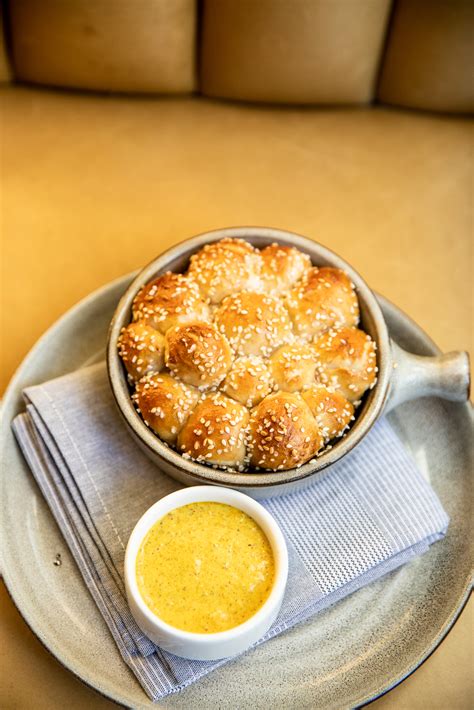
- The 45-Degree Angle: This classic angle mimics how we typically view a plate when sitting at a table. It’s versatile and works well for most dishes, offering a good balance between showing the top and the sides, providing depth and context.
- Eye-Level (Straight On): Ideal for dishes with impressive height, layers, or distinct vertical elements like towering burgers, layered cakes, or drinks. This angle brings the viewer directly into the dish’s world.
Don’t be afraid to experiment with slight variations of these angles. Sometimes a subtle shift can make a huge difference in highlighting the best features of your food.
Enhancing the Scene: Props for Visual Storytelling
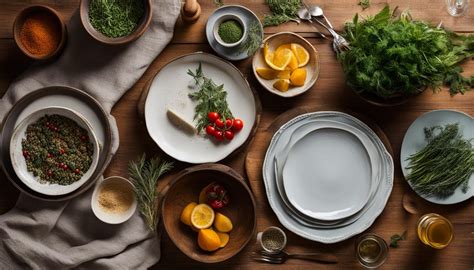
Props are not just decorative; they help tell a story, provide context, and add visual interest without overshadowing the main subject. Choose props that complement your dish’s color palette and theme.
- Backdrops and Surfaces: Simple, textured backgrounds like rustic wood, marble, slate, or even a plain linen tablecloth work wonders. Avoid busy patterns that distract.
- Utensils and Textiles: Vintage forks, elegant spoons, or crumpled linen napkins can add a touch of authenticity and warmth. Keep them clean and minimally intrusive.
- Fresh Ingredients and Garnishes: A sprig of herbs, a sprinkle of spices, or a few raw ingredients used in the recipe can add freshness, color, and context.
- The Human Element: A hand reaching for a piece of bread or drizzling sauce can add a dynamic, relatable, and inviting touch to your photos.
Remember, less is often more when it comes to props. Each item should have a purpose and contribute to the overall narrative of the dish.
Composition and Color: The Art of Enticement
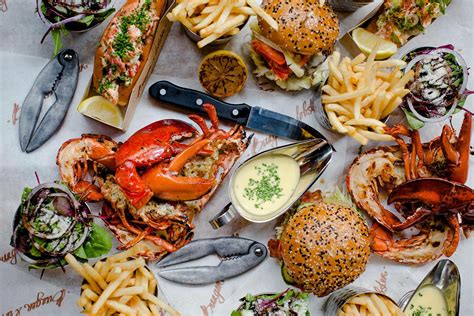
Beyond individual elements, how you arrange them (composition) and the colors you use play a massive role in creating an enticing image. Utilize principles like the rule of thirds, leading lines, and negative space to create balanced and visually appealing compositions.
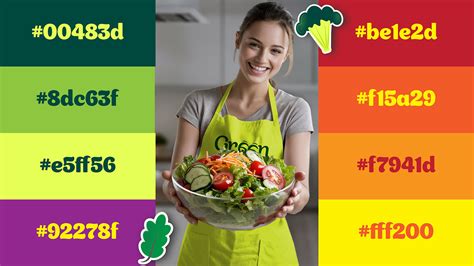
Consider your color palette. Complementary colors can make your food pop, while analogous colors create a harmonious feel. Think about the mood you want to convey. Warm, earthy tones for comfort food; vibrant, fresh colors for salads or desserts. A splash of contrasting color (e.g., red cherry on a white dessert) can draw the eye and add excitement.
Final Touches: Editing and Consistency
Once you’ve captured your photos, a touch of post-processing can elevate them further. Adjust brightness, contrast, white balance, and saturation to make your food truly shine. However, always aim for a natural look; avoid over-editing. Maintaining a consistent style across your posts will help build a recognizable brand aesthetic for your foodie content.
By consciously considering lighting, experimenting with angles, and thoughtfully selecting props, you can transform your recipe posts into captivating visual stories. These efforts not only showcase your delicious creations but also build a stronger connection with your audience, making your visual bites truly irresistible.