Best visual cues for authentic local eats vs. tourist traps?

Venturing into a new city or country, one of the most exciting quests for any traveler is finding truly authentic local food. Yet, this pursuit is often fraught with the peril of falling into a “tourist trap” – establishments that prioritize profit over genuine culinary experience. How can you, the savvy food adventurer, discern the real deal from the overpriced imitation? The secret often lies in sharp observation of visual cues.
The Exterior: First Impressions Matter
Before you even step inside, the exterior of an eatery can tell you volumes. Look beyond the flashy signs and polished facades.
Signage and Decor
- Authentic: Often has humble, perhaps slightly worn, signage. Menus might be handwritten or simply displayed in the local language. The decor usually reflects local culture genuinely, without being overtly themed or caricatured for tourists. Think simple, functional, and well-used.
- Tourist Trap: Bright, often multi-lingual signs prominently featuring “authentic local cuisine!” or “best in town!” The decor might be overly generic, sterile, or exaggeratedly ‘ethnic’ in a way that feels inauthentic. Pictures of food on the menu outside are often a red flag, especially if they look mass-produced.

Location, Location, Location
While some excellent local spots exist in prime areas, many true gems are found slightly off the main thoroughfares.
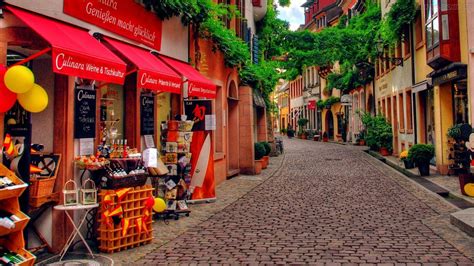
- Authentic: Tends to be tucked away on a side street, in a local neighborhood market, or in an area not directly adjacent to major tourist attractions. The surrounding environment feels lived-in and local.
- Tourist Trap: Almost always positioned in high-traffic tourist zones – near famous landmarks, bustling squares, or main shopping streets. Easy visibility and access for passing tourists are key to their business model.
The Crowd: Who’s Eating There?
Perhaps the most reliable visual cue is the clientele. Take a moment to observe who fills the seats.
The Local Patron Index
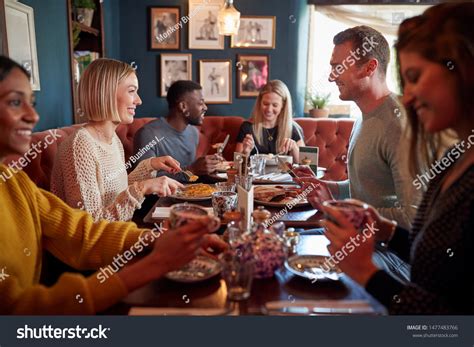
- Authentic: A dining room filled predominantly with locals – families, business people on lunch breaks, friends chatting in the local tongue. This is a strong indicator that the food is good, reasonably priced, and culturally relevant.
- Tourist Trap: A sea of bewildered or English-speaking faces, often consulting guidebooks or maps. You’ll rarely hear the local language being spoken amongst the patrons, and the overall atmosphere might feel less lively or genuinely conversational.
The Menu & Pricing: Decoding the Details
Once you get a peek at the menu, several visual clues can emerge.
Language and Imagery
- Authentic: Menus are primarily or exclusively in the local language, sometimes with a smaller English translation or none at all. Food descriptions are concise. If there are pictures, they’re often simple, clear, and look like the actual dishes.
- Tourist Trap: Extensive menus in multiple languages (English, German, French, etc.) often with glossy, unappetizing photos of every dish. The descriptions might be overly flowery or try to explain local dishes in overly simplistic terms, catering to a foreign palate.
The Price Point Paradox
- Authentic: Prices are usually reasonable for the portion size and quality, aligned with local economic standards. There’s good value for money.
- Tourist Trap: Noticeably higher prices compared to similar items found elsewhere, often without a corresponding increase in quality or portion. They bank on tourists being less aware of local pricing norms.
The Vibe and Beyond: Subtle Indicators
Beyond the obvious, pay attention to the overall atmosphere and specific details.
Food Preparation and Presentation
- Authentic: Food often comes out looking rustic, homemade, and unpretentious. Focus is on flavor and traditional preparation. You might even see the kitchen or food being prepared on the street.
- Tourist Trap: Dishes might be overly “prettified” or designed to look Instagram-ready, sometimes at the expense of authentic taste. Ingredients might be adapted to suit a perceived foreign preference.
Service Style and Table Turnover
- Authentic: Service can range from bustling and efficient to relaxed and familial, but it’s usually attentive and genuine. There’s often a natural rhythm to the dining experience.
- Tourist Trap: Service might feel rushed, impersonal, or overly solicitous, designed to get tourists in and out quickly.
Conclusion: Trust Your Instincts (and Your Eyes)
While no single cue is foolproof, combining these visual observations significantly increases your chances of unearthing a culinary treasure. Next time you’re exploring, pause, look around, and let these visual clues guide you away from the pitfalls and towards the truly authentic flavors that make food adventures so rewarding. Happy eating!