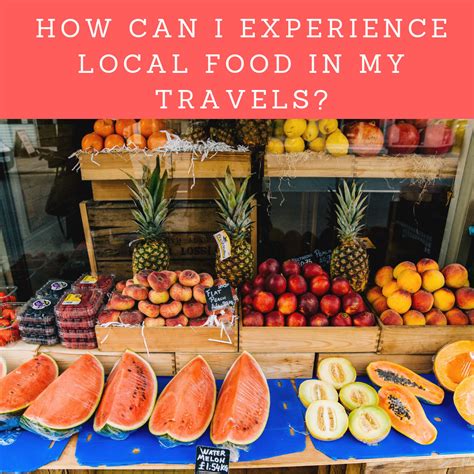
Best visual cues for authentic, photo-worthy food adventures?

Beyond the Plate: Unlocking Genuine Culinary Visuals
In an age saturated with perfectly curated food photos, how do you distinguish a truly authentic, photo-worthy food adventure from a merely pretty dish? It’s all about tuning into the visual cues that tell a deeper story. These aren’t just about the food itself, but the environment, the people, and the subtle details that scream “real experience.” Learning to spot these elements will not only elevate your food photography but also enrich your entire culinary journey.
The Environment: Setting the Scene for Authenticity
The first set of cues often comes from the surroundings. Look for places that hum with local life – bustling street food stalls, markets overflowing with fresh produce, or unassuming family-run eateries tucked away from tourist traps. The wear and tear of a beloved establishment, the simple decor, and the natural light filtering in often signal a place where food is made with passion and tradition, not just for show. Pay attention to the crowds; if locals are flocking there, you’re likely onto something good.
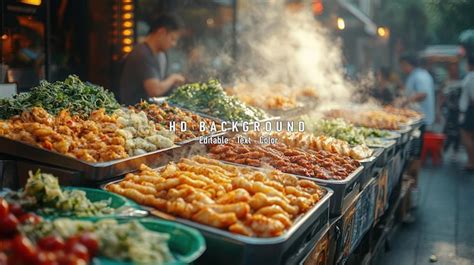
The Food Itself: Raw & Unfiltered Beauty
Authentic food often isn’t overly styled. Its beauty lies in its natural state. Look for vibrant, unfussy colors that come from fresh ingredients, not artificial enhancements. Visible textures – the char on grilled meat, the flaky crust of a pastry, the irregular cut of vegetables – tell a story of preparation. Steam rising from a hot bowl, a slight drizzle of sauce, or perfectly imperfect plating are all indicators of a dish prepared with care and meant to be enjoyed immediately. Ingredients that are clearly local and seasonal also speak volumes.
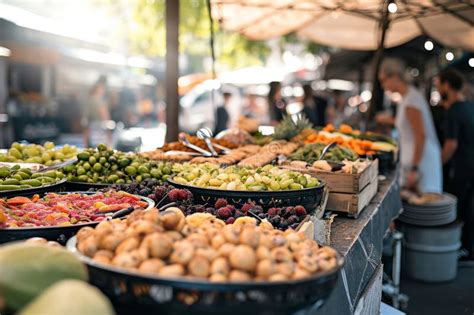
The People & Process: Human Connection to Cuisine
A significant part of a food adventure’s authenticity lies in the human element. Observe the people preparing and serving the food. Are they engaged, passionate, and interacting with customers? Candid shots of a chef meticulously stirring a pot, a baker kneading dough, or vendors chatting with patrons at a market add invaluable context. Also, consider the diners – locals sharing a meal, laughter over a communal dish, or the focused enjoyment of a solitary eater. These interactions provide depth and a sense of belonging to the culinary narrative.
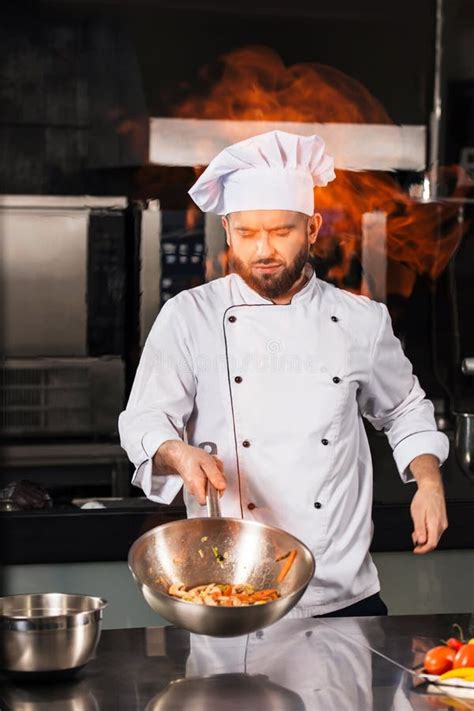
Unique Details & Imperfections: The Story in the Small Things
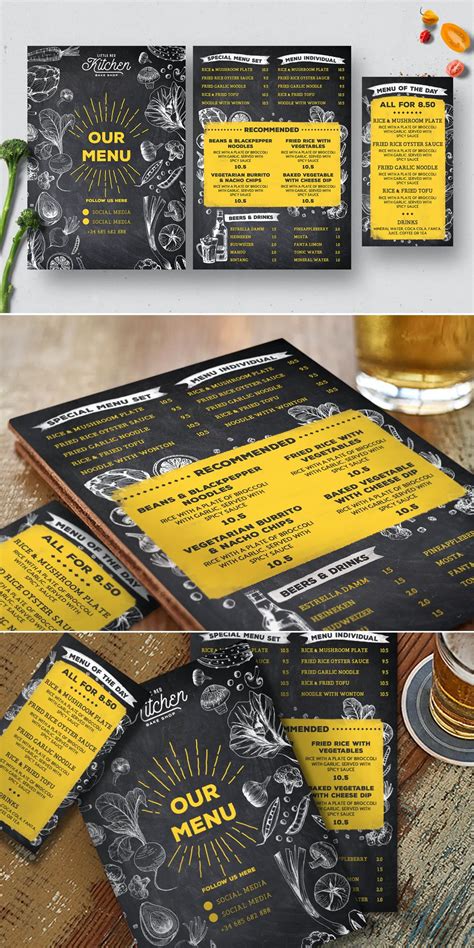
Authenticity thrives in the details that might otherwise be overlooked. A hand-written menu board, mismatched crockery, a worn wooden table with years of character, or even the slight spill on a cutting board can add charm and realness. These imperfections are often signs of a place that prioritizes flavor and experience over pristine presentation. Look for steam, condensation on a glass, or the way light catches a sauce – these fleeting moments can elevate a photo from good to unforgettable by adding a sense of immediacy and life.
The Reaction & Enjoyment: Capturing the Moment of Truth
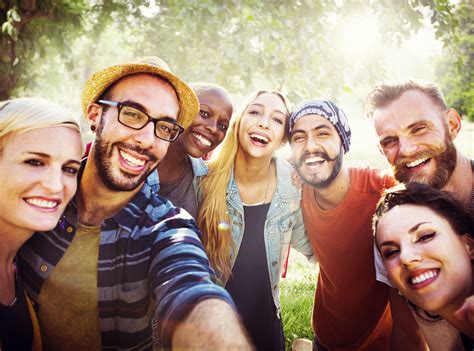
Finally, the most compelling visual cue of an authentic food experience is often found in the faces of those enjoying it. The sheer delight of a first bite, the satisfied smile after a delicious meal, or the shared laughter around a table speak volumes. Capturing these genuine reactions goes beyond just documenting the food; it captures the emotion and memory associated with the adventure. It’s the ultimate proof that the food isn’t just sustenance, but an experience to savor.
Conclusion: Crafting a Richer Visual Narrative
By consciously seeking out these visual cues – from the bustling environment and the raw beauty of the food to the human stories and unique imperfections – you transform your food adventures from mere eating opportunities into rich, immersive experiences. These elements don’t just make for better photos; they help you connect more deeply with the culture and traditions behind every dish, creating truly authentic and unforgettable memories.