Best visual cues for finding authentic street food adventures safely?

Street food is an exhilarating dive into a culture’s culinary heart, offering an unmatched sensory experience. The sizzle, the aromas, and the vibrant atmosphere create memories that last a lifetime. However, navigating this delicious landscape safely requires a discerning eye. By learning to spot key visual cues, you can maximize your chances of a truly authentic and, most importantly, safe street food adventure.
Follow the Locals: The Ultimate Authenticity Compass
This is perhaps the most critical rule of thumb for both authenticity and safety. A long queue of locals isn’t just a sign of popularity; it often indicates fresh turnover of ingredients and consistent quality. Locals know best what’s good and what’s safe in their own city.
- Crowded Stalls: A busy stall means high demand, ensuring ingredients are used quickly and don’t sit around for long periods.
- Observe the Clientele: Are the patrons mostly locals, or primarily tourists? While tourist-friendly stalls aren’t always bad, local haunts often offer more genuine flavors and practices.

Signs of Freshness and Quality in the Raw
Watch the Preparation Process
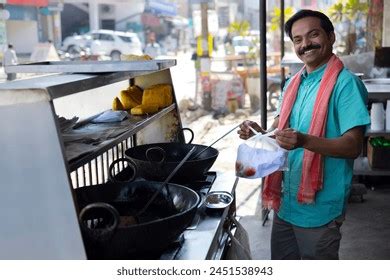
Transparency in cooking is a huge green flag. If you can see your food being prepared from scratch, it’s a strong indicator of freshness and often, hygiene.
- Cooked to Order: Food that’s cooked in front of you, especially grilled, fried, or boiled, minimizes the risk of bacterial growth from prolonged sitting.
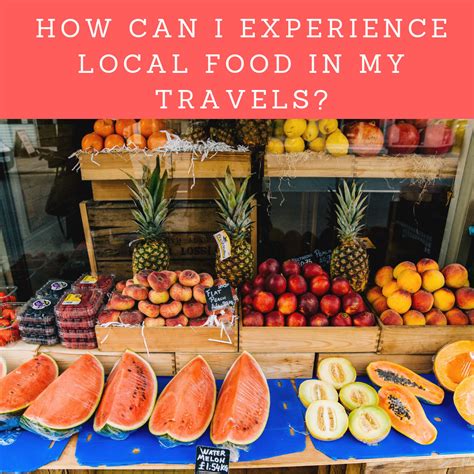
- Vibrant Ingredients: Look at the raw ingredients on display. Are vegetables crisp and colorful? Is meat or seafood stored properly and looking fresh, not dull or discolored?
Simple, Focused Menus
Many of the best street food vendors specialize in just one or two dishes. This focus often means they’ve perfected their craft and have a streamlined, efficient process that also contributes to safety.
Avoid stalls with overly extensive menus, as it can be harder for them to maintain freshness across a wide variety of ingredients.

Hygiene and Cleanliness Indicators
Vendor Appearance and Practices
A vendor’s personal hygiene often reflects their general standards. While perfection isn’t expected, basic cleanliness is a must.
- Clean Hands/Gloves: Do they handle food with clean hands or gloves? Are they handling money and food separately?
- Dedicated Utensils: Are separate utensils used for raw and cooked food? Are they cleaned regularly?
Stall Environment
Take a quick look around the stall itself. It doesn’t have to be sterile, but certain cues can tell you a lot.
- Visible Cleanliness: Are cooking surfaces wiped down periodically? Is there an organized waste disposal system?
- Water Source: Is there a visible and seemingly clean water source for washing hands and utensils? Avoid stalls using dirty, stagnant water.
What to Be Wary Of
Empty Stalls or Stale Food
As mentioned, an empty stall often means low turnover, increasing the risk of food being old or improperly stored. Be especially cautious of food that:
- Has been sitting out uncovered for long periods, especially in hot weather.
- Looks dull, discolored, or has an off-putting smell.

Trust Your Gut (Literally!)
Ultimately, your intuition is a powerful tool. If something doesn’t feel right – the smell is off, the appearance is questionable, or the vendor seems unhygienic – it’s always best to err on the side of caution and move on. There will always be another delicious and safer option just around the corner.
Start your street food journey slowly, opting for thoroughly cooked dishes, and avoid tap water or ice unless you’re absolutely certain of its source. With these visual cues, you’re well-equipped to savor the vibrant world of street food safely and authentically.