Best visual cues for irresistible recipe Bites that make foodies salivate?

The Unseen Ingredient: Why Visuals Matter in Food
In the digital age, where social media feeds are flooded with culinary creations, the visual appeal of a dish has become just as crucial as its taste. For foodies, the first bite is often taken with the eyes. Crafting a visually irresistible recipe isn’t merely about good photography; it’s about understanding and utilizing specific visual cues that trigger desire, evoke emotions, and ultimately, make mouths water. Mastering these cues can elevate your recipe from a mere meal to an unforgettable sensory experience.
Vibrant Colors and Striking Contrast
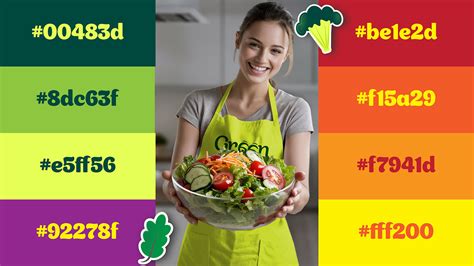
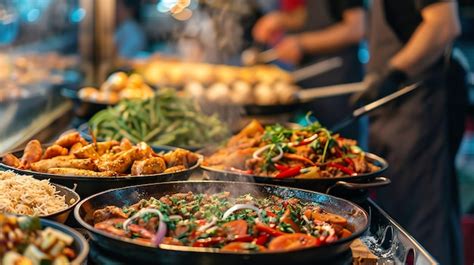
Color is the most immediate visual cue and has a profound psychological impact. Dishes rich in vibrant, natural colors—think a ruby-red berry compote, a bright green pesto, or golden-brown roasted vegetables—instantly convey freshness and flavor. Using complementary colors on the plate can make each component pop, while a stark contrast (like a dollop of white cream on a dark chocolate dessert) creates visual drama and highlights textures. Avoid dull or monochrome palettes that can make food look unappetizing.

Enticing Textures and Appealing Layers
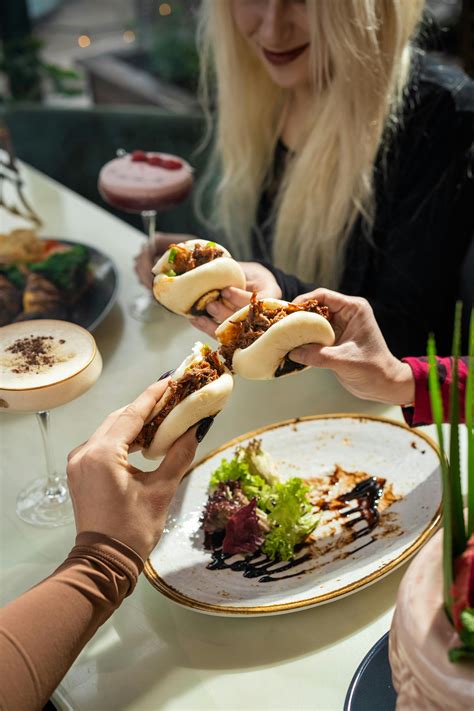
Food isn’t just about what you see; it’s about what you anticipate feeling in your mouth. Visible textures are key to this anticipation. Showcase crispy edges, creamy centers, flaky crusts, or the glistening sheen of a sauce. Layering ingredients, like a stacked sandwich revealing its fillings, a parfait showing distinct strata, or a lasagna with visible cheese and sauce layers, adds depth, complexity, and intrigue. These textural cues promise a delightful mouthfeel, making the dish seem more substantial and satisfying.
The Magic of Light, Shadow, and Focus
Proper lighting can transform a dish from flat to fabulous. Natural, diffused light is often best, enhancing colors and casting soft shadows that give food dimension and form. Strategic use of shadows can create mood and highlight specific elements, drawing the viewer’s eye to the most appealing part of the dish. A shallow depth of field, which blurs the background and brings the main subject into sharp focus, isolates the food and emphasizes its most appetizing details, making it the undeniable star of the shot.
Strategic Garnishing and Thoughtful Plating
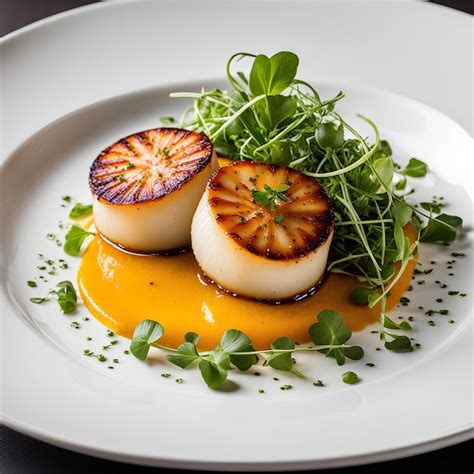
Garnishes are not just for decoration; they add freshness, color, and often a hint of the dish’s flavor profile. A sprig of fresh herb, a sprinkle of toasted seeds, or a drizzle of balsamic glaze can complete a dish. Plating is the art of arranging food on a plate to create an aesthetic composition. Consider the rule of thirds, negative space, and leading lines. A clean plate, well-proportioned elements, and a sense of balance can make even the simplest dish look like a gourmet creation, inviting diners to dig in.
Capturing Freshness and Sensory Cues
Nothing says ‘irresistible’ like food that looks fresh and alive. Highlight peak freshness with vibrant, unblemished ingredients. Sensory cues, even in a static image, can be powerful. A wisp of steam rising from a hot dish, a perfectly melted cheese pull, or a glistening drop of sauce can convey warmth, juiciness, and readiness. These subtle elements create a dynamic feel, suggesting movement and an imminent delightful experience, making the viewer almost smell and taste the food through the screen.
Conclusion: Crafting a Feast for the Eyes
Ultimately, making foodies salivate through visual cues is about telling a story. It’s about showcasing the quality of ingredients, the care in preparation, and the pleasure of eating. By consciously employing vibrant colors, emphasizing enticing textures, mastering light, plating with intention, and hinting at sensory experiences, you can create recipe bites that are not just delicious to eat, but utterly irresistible to behold. These visual strategies are the secret ingredients that turn a good recipe into a viral sensation, one mouth-watering image at a time.