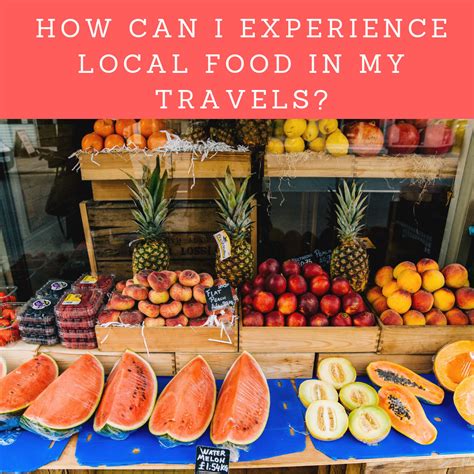
Best visual cues to find authentic local eateries, avoiding tourist traps?

Embarking on a culinary journey in a new destination is often the highlight of any trip, yet the fear of falling into a tourist trap serving overpriced, mediocre food is a common concern. The good news is that with a keen eye and a few simple observations, you can significantly increase your chances of discovering those hidden gems where locals truly dine. It’s all about reading the visual cues that authentic eateries subtly broadcast.
Observe the Clientele: Where Do the Locals Go?
This is arguably the most telling sign. If a restaurant is bustling primarily with locals, especially during peak dining hours, you’re likely onto something good. Look for families, friends, and business people speaking the local language, comfortably settled in. A restaurant packed with guidebooks and selfie sticks often signals a tourist hotspot. Don’t be afraid to peek inside or even hover for a moment to gauge the atmosphere.

Scrutinize the Menu: Simplicity and Language Clues
Authentic local eateries often have simpler, more focused menus. A menu that’s pages long, features glossy photos of every dish, and is translated into five languages (with English often being perfectly grammatically correct) can be a red flag. Look for menus written predominantly in the local language, perhaps with a few handwritten additions or daily specials. Limited options often indicate a focus on quality and fresh, seasonal ingredients. If the prices seem suspiciously high compared to the general cost of living, proceed with caution.
The Ambiance and Decor: Unpretentious Charm
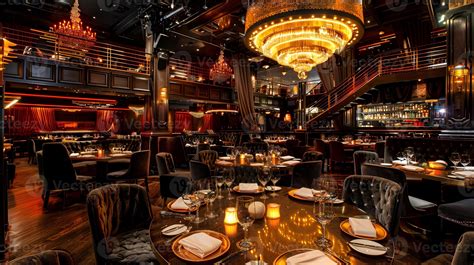
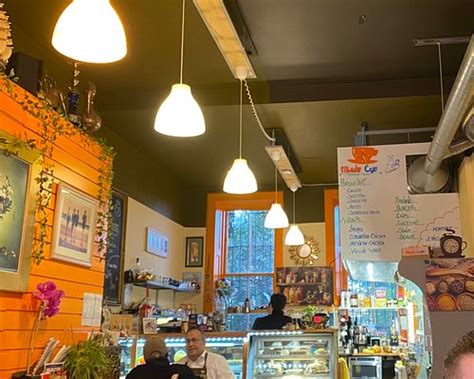
True local spots rarely boast flashy, over-the-top decor designed to impress tourists. Instead, you’ll often find a modest, perhaps even slightly worn, but clean interior that reflects the local culture. Chipped paint, mismatched chairs, or simple, functional furniture are often signs of an establishment focused on food rather than aesthetics. Open kitchens or visible food preparation areas can also be a great sign, indicating transparency and confidence in their culinary process.
Follow Your Nose and Ears: Sensory Cues
Beyond what you see, pay attention to what you smell and hear. The enticing aroma of spices, fresh baking, or simmering stews wafting from an establishment is an irresistible invitation. Similarly, the lively chatter of locals, the clatter of plates, and the general buzz of a busy, authentic restaurant are far more appealing than the quiet, perhaps even sterile, environment of a tourist trap.
Observe the Details: Table Settings and Condiments
Small details can speak volumes. Are there local condiments on the table? Perhaps a unique sauce, chili paste, or specific local bread? Do the plates look like they’re serving genuine portions, not overly stylized for Instagram? Observe how the food is presented to the locals – often, it’s hearty and unpretentious, reflecting comfort food traditions rather than gourmet artifice. Also, notice the staff interaction: friendly, efficient service that feels authentic rather than overly solicitous.

Ultimately, finding authentic local food is an adventure in itself. It requires a bit of curiosity, a willingness to step off the beaten path, and an open mind. Trust your instincts, observe your surroundings, and don’t be afraid to ask friendly locals for their recommendations. By honing your ability to spot these visual cues, you’ll unlock a world of genuine culinary experiences that will enrich your travels far beyond the typical tourist fare.