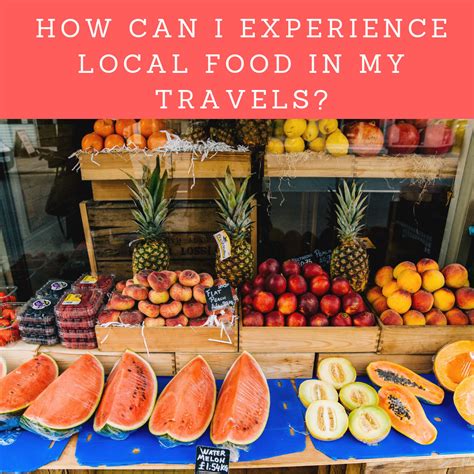
Best visual cues to spot authentic local eateries abroad?

When exploring new cultures, there’s no better way to immerse yourself than through its food. But distinguishing between tourist traps and genuine local gems can be tricky. Forget the glossy brochures and TripAdvisor reviews for a moment; often, the best clues are right before your eyes. Learning to read the visual language of a neighborhood can lead you to unforgettable culinary adventures.
The Crowd: A Local Magnet
Perhaps the most telling sign of an authentic eatery is its clientele. Look for places bustling with locals, especially during peak meal times. If a restaurant is packed with families, office workers on their lunch break, or groups of friends speaking the native tongue, you’re likely onto something good. Tourists tend to flock to well-advertised spots; locals gravitate towards quality, value, and authenticity.
A high turnover of tables also indicates freshness and popularity. If you see people patiently waiting for a table, it’s a strong endorsement. Conversely, an empty restaurant, or one filled exclusively with fellow travelers snapping photos, might be best avoided.
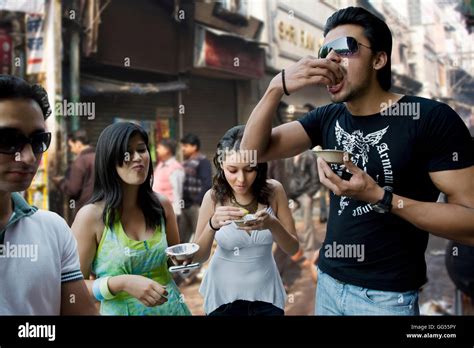
Unassuming Exteriors and Interiors
Authenticity rarely screams for attention with flashy signs or opulent decor. Often, the best local spots have humble, perhaps even slightly worn, exteriors. Don’t be deterred by peeling paint, simple tables, or a lack of sophisticated lighting. In many cultures, the focus is squarely on the food, not the ambiance.
Inside, look for functional decor, a bustling kitchen visible from the dining area, and perhaps a family feel. Cleanliness is key, of course, but perfection is not. A well-used space with character often tells a story of consistent patronage and a focus on tradition rather than trend.

Simple Menus, Specialized Flavors
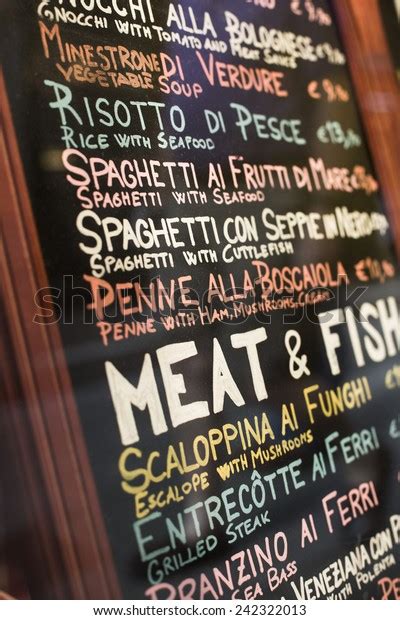
A menu that’s several pages long and offers a dizzying array of international dishes is usually a red flag. True local eateries often specialize. Their menus tend to be concise, focusing on a handful of dishes they do exceptionally well. This specialization is a hallmark of culinary pride and expertise.
Look for handwritten menus, daily specials written on a whiteboard, or even no menu at all – just a verbal offering of what’s fresh and available that day. This often signifies a commitment to fresh, seasonal ingredients and traditional cooking methods. If the menu is translated into multiple languages and features generic ‘international’ options, you might be in a tourist trap.
The Buzz, The Aroma, The Open Kitchen
Step inside and pay attention to your senses. Is there a lively buzz of conversation, clanking dishes, and the unmistakable sounds of a busy kitchen? And crucially, what do you smell? Authentic local cuisine often announces itself with inviting aromas – spices, herbs, slow-cooked meats, or fresh baked goods.
An open kitchen, or one that’s partially visible, allows you to observe the cooking process. Watch for fresh ingredients being handled, traditional cooking techniques, and passionate chefs. Seeing the food being prepared can offer immense confidence in its authenticity and hygiene, assuming visible standards are met.
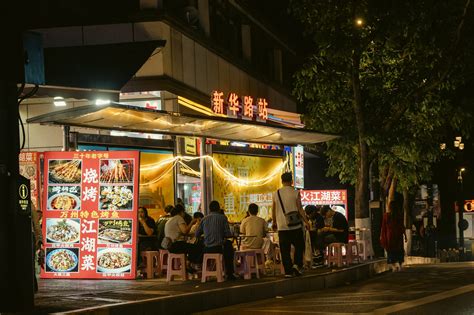
Language Barriers and Local Patronage
While challenging, a restaurant where English isn’t widely spoken by staff or patrons is often a good sign. It suggests the establishment primarily caters to locals, not tourists. Don’t be afraid of the language barrier; a smile and pointing can go a long way, and sometimes the best experiences come from stepping outside your comfort zone.
Finally, observe the local customs and traditions being practiced by the diners. Are they eating in a particular way? Sharing dishes? These observations are not just visual cues but also cultural lessons that deepen your travel experience.

By honing your observational skills and trusting your instincts, you can bypass the tourist-centric eateries and discover the true culinary heart of your destination. Embrace the adventure, be open to new experiences, and let your eyes guide you to the most delicious local secrets.