Best visual garnishes to elevate everyday gourmet recipes?
The Art of Edible Embellishment
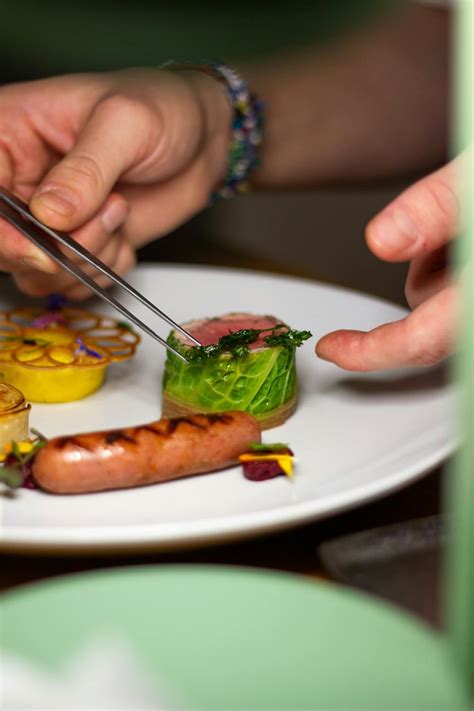
In the world of cuisine, we often eat with our eyes first. A beautifully presented dish not only whets the appetite but also elevates the entire dining experience, making an everyday meal feel truly gourmet. While taste is paramount, the visual appeal of a dish can turn a simple recipe into a memorable culinary masterpiece. Adding the right garnish can introduce contrasting colors, textures, and even subtle aromatics that complete a dish.
Fresh Herbs: The Classic Touch
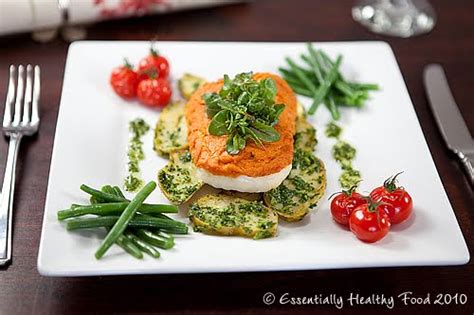
Nothing says fresh and vibrant quite like a sprinkle of finely chopped herbs or a carefully placed sprig. Parsley, cilantro, chives, dill, and mint are not just for flavor; their bright green hues instantly liven up any plate. A simple chop of fresh parsley over a creamy pasta, a few sprigs of dill on salmon, or a scattering of chives over a potato dish can dramatically enhance its appearance.
Consider not just the color, but also the form. A whole sprig can add height and drama, while finely chopped herbs create a delicate confetti effect. They are versatile, readily available, and incredibly effective.
Citrus Zest and Slices: Brightness and Zest
Lemons, limes, and oranges offer a burst of color and a delightful aroma that can transform a dish. A finely grated zest can be sprinkled over desserts, salads, or seafood, providing a vibrant pop of yellow or green. Beyond zest, thin slices or elegant twists of citrus peel can serve as sophisticated garnishes for drinks, roasted dishes, or even plated desserts.
The acidity and freshness of citrus also complement many flavors, making it a garnish that contributes both visually and gastronomically. A twisted lemon peel on a soup or a candied orange slice on a cake are simple yet impactful.
Edible Flowers: A Touch of Elegance
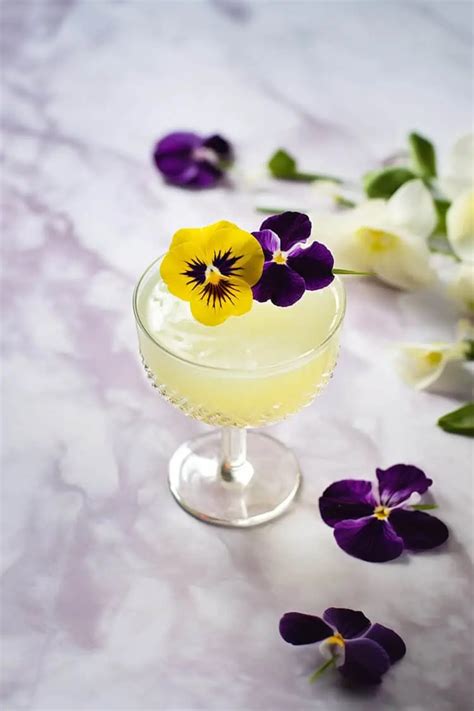
For an undeniably elegant and sophisticated touch, edible flowers are unmatched. Pansies, violas, nasturtiums, borage, and calendula come in a spectrum of colors and can instantly add a whimsical or refined aesthetic to salads, desserts, and even savory dishes. Their delicate petals offer a unique texture and visual interest that speaks volumes of attention to detail.
Toasted Nuts and Seeds: Texture and Rustic Charm
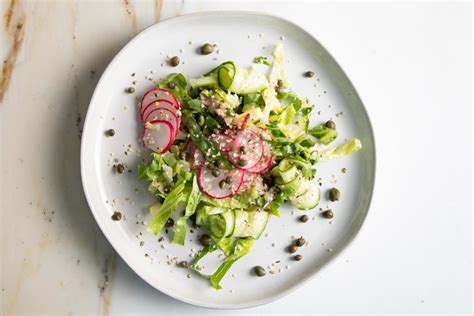
Adding a sprinkle of toasted nuts or seeds provides a delightful crunch and a rustic, wholesome appeal. Pine nuts, chopped almonds, walnuts, sesame seeds, pumpkin seeds, or even a dukkah spice blend can add visual depth and textural contrast to salads, soups, main courses, and desserts. Their golden-brown hues offer a warm contrast to brighter ingredients.
Lightly toasting them beforehand not only enhances their flavor but also their color, making them an even more appealing garnish.
Drizzles and Swirls: Artistic Flair
Think beyond solid food items for garnishes. A skilled drizzle or swirl can be an artistic statement on the plate. Balsamic glaze, flavored oils (like chili oil or herb-infused oil), crème fraîche, yogurt, or fruit coulis can be carefully applied to create patterns, lines, or dots that frame or complement the main components of a dish. This technique is particularly effective for soups, purees, and desserts.

Microgreens and Sprouts: Delicate Perfection
Microgreens and sprouts are miniature versions of their mature counterparts, offering intense flavor, tender texture, and incredible visual appeal. Their delicate leaves and vibrant colors (red, green, purple) make them a favorite for fine dining. A small cluster of micro-arugula, radish sprouts, or pea shoots can provide a final, elegant flourish to almost any dish, adding a fresh, earthy note and a touch of professional polish.
They are particularly effective for garnishing main proteins, appetizers, and even sandwiches or toasts, instantly elevating the presentation.

Conclusion
Incorporating visual garnishes into your everyday cooking doesn’t require extensive culinary training; it simply demands a bit of creativity and attention to detail. From the humble sprig of parsley to elegant edible flowers, these simple additions can transform an ordinary meal into an extraordinary dining experience. Remember, the goal is to enhance, not overpower, the dish. Choose garnishes that complement the flavors and colors, and you’ll be well on your way to creating gourmet-level presentations in your own kitchen.