Best visual hacks for perfectly dicing onions without tears for food prep?

Conquering the Onion: Dicing Without the Drama
Dicing onions is an essential skill in almost any cuisine, yet for many, it’s a dreaded task often accompanied by a torrent of tears. The culprit? Syn-propanethial-S-oxide, a volatile sulfur compound released when onion cells are ruptured. But fear not, aspiring chefs! With a few visual hacks and smart techniques, you can transform this tear-inducing chore into a seamless part of your food prep. This article will guide you through the best methods to dice onions perfectly and pain-free.

The Science of Tears (and How to Beat It)
Before diving into the hacks, understanding why onions make us cry helps in mitigating the effect. When you cut an onion, you break open its cells, releasing enzymes that react with sulfur-containing compounds to produce lachrymatory-factor synthase. This gas irritates your eyes, prompting your tear ducts to produce water to wash it away. The goal of our hacks is to either minimize the release of this compound or prevent it from reaching your eyes.
Visual Hack 1: The Sharper the Knife, the Fewer the Tears
It might seem counter-intuitive, but a super-sharp knife is your best friend. A sharp blade makes clean cuts, rupturing fewer cells and thus releasing less of the tear-inducing compounds compared to a dull knife that crushes and tears. Visually, aim for clean, smooth slices rather than ragged edges.
Step-by-Step Dicing Technique: The Foundation of Precision
This method focuses on minimizing exposure while maximizing uniformity. Visualize your cuts before you make them.
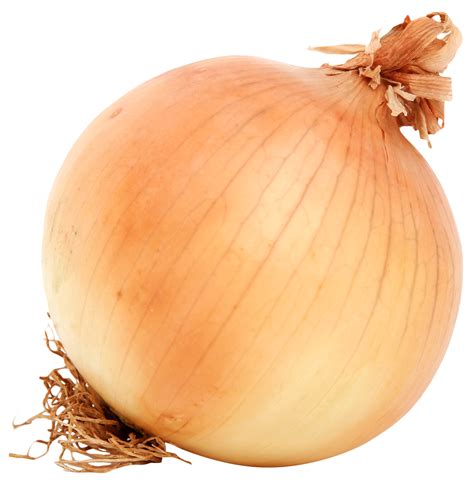
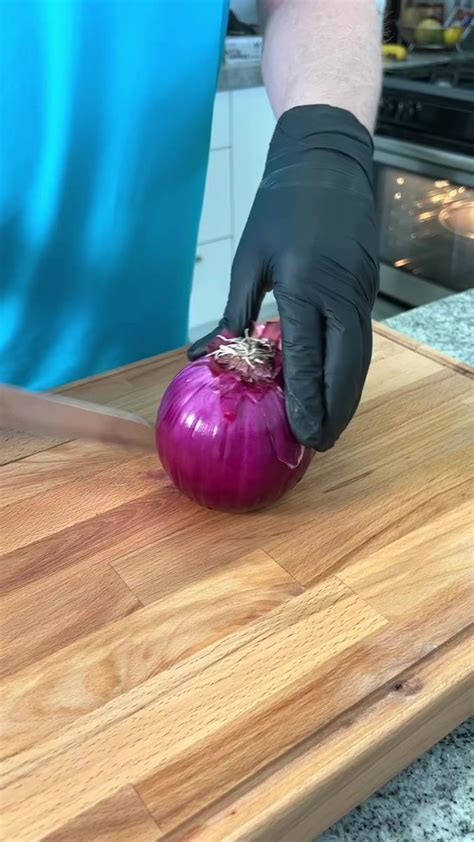
- Preparation: Start by cutting the onion in half through the root end. Peel off the outer layers, keeping the root end intact. The root end is crucial as it holds the onion together, allowing for more precise cuts without pieces scattering.
- Horizontal Slices: Place one half cut-side down. Make several horizontal slices towards the root end, but do not cut all the way through the root. The number of slices depends on the size of your onion and desired dice size. Aim for consistent spacing. Visually, these should look like layers being separated.
- Vertical Slices: Turn the onion 90 degrees. Make vertical slices from the top down, again stopping before cutting through the root end. These slices should intersect your horizontal slices. Imagine creating a grid pattern within the onion.
- Cross-Cuts: Finally, turn the onion again (or simply start slicing from the top). Make cross-cuts perpendicular to your vertical slices. As you cut, perfectly diced pieces will fall away. The root end, still intact, holds the last few pieces together for easy finishing.
Visual Hack 2: Chill Out Your Onions
Chilling your onions for 15-30 minutes in the refrigerator (or even 5-10 minutes in the freezer) can significantly reduce tear production. The cold temperature slows down the release and dispersion of the sulfur compounds. Visually, a chilled onion might look a bit firmer, making it easier to handle and cut precisely.
Visual Hack 3: Leverage Your Environment
- Work Near Ventilation: Cutting onions under a range hood with the fan on, or next to an open window, can help whisk away the irritants before they reach your eyes. Visually, imagine the fumes being pulled away from your face.
- Water Barrier: For some, cutting onions under running cold water, or even having a bowl of water nearby, helps. The water absorbs some of the sulfur compounds. However, this can make the onion slippery and harder to grip for precise dicing.

Visual Hack 4: Physical Barriers for Your Eyes
Sometimes, the simplest solutions are the most effective. Wearing protective eyewear like swimming goggles or even regular glasses can create a physical barrier, preventing the irritant gases from reaching your eyes. You might look a bit silly, but your tear ducts will thank you! Another trick is to hold a slice of bread in your mouth, which some believe absorbs the fumes, though scientific proof is anecdotal.
Achieving the Perfect Dice: A Visual Goal
What does a perfectly diced onion look like? Visually, aim for uniform, consistently sized cubes. Whether you’re aiming for a fine brunoise (1-2mm), a small dice (3-4mm), or a medium dice (6-7mm), consistency is key. Uniform pieces cook evenly, ensuring consistent flavor and texture in your dishes.
![How to Dice Onions 🔪🧅 [Video] | Cooking, Cooking basics, Food videos ...](/images/aHR0cHM6Ly90czMubW0uYmluZy5uZXQvdGg/aWQ9T0lQLlBGVXVXUHdMZjE3MUswcjAxbTlqeUFIYU5LJnBpZD0xNS4x.webp)
Conclusion: Dice with Confidence and Dry Eyes
Dicing onions without tears and with precision is an attainable goal. By combining a sharp knife with proper technique, incorporating environmental hacks like chilling and ventilation, and even using physical barriers, you can turn a once-dreaded task into a simple step in your food prep routine. Embrace these visual hacks, practice your cuts, and soon you’ll be dicing like a pro, all while keeping your eyes perfectly dry.