Best visual plating hacks to elevate simple recipes instantly?

Transform Your Table: Why Plating Matters
You eat with your eyes first – it’s a culinary truth that can elevate even the simplest home-cooked meal into a dining experience. Mastering a few basic visual plating hacks can instantly make your dishes look more appealing, professional, and delicious. You don’t need to be a gourmet chef; just a little artistic flair and understanding of these techniques can make a world of difference.
The Right Canvas: Choosing Your Plate Wisely
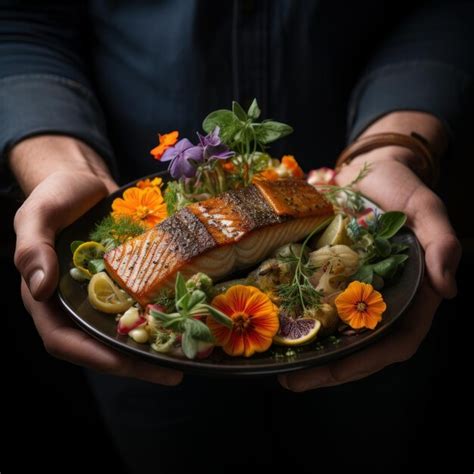
The plate itself is the foundation of your edible artwork. Opt for neutral-colored plates (white, cream, black) as they allow the vibrant colors of your food to pop. Size matters too: avoid overcrowding a small plate, but also don’t let a tiny portion get lost on an oversized one. Generally, aim for plates that provide ample negative space around your food, creating a sense of elegance and focus.
Play with Color and Contrast
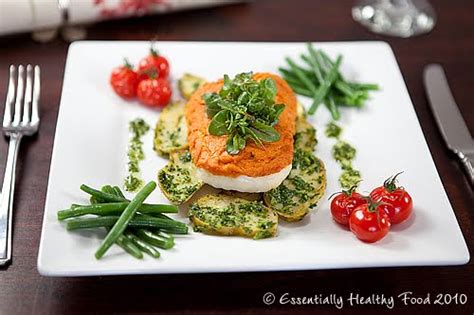
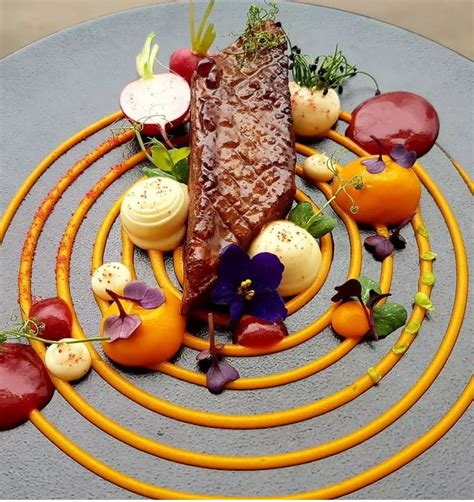
Color is perhaps the most immediate visual cue. A dish that’s all one color can look monotonous. Introduce contrasting colors through garnishes or side components. Think bright green herbs on a creamy pasta, or a vibrant berry coulis drizzled over a chocolate dessert. Contrast isn’t just about color; think about light and dark elements as well. A dark sauce on a light ingredient, or vice versa, adds dynamic interest.

Texture and Height: Adding Dimension
Flat food can be boring. Introducing varying textures adds visual interest and a delightful mouthfeel. Consider crunchy elements like croutons, toasted nuts, or crispy fried onions. Soft elements like purées or creamy sauces provide a contrast. Building height is another powerful trick. Stack ingredients, lean items against each other, or use a mold for a uniform base. A well-placed sprig of rosemary or a delicate microgreen can also add vertical appeal without being overly complex.
Garnish with Intention: The Finishing Touch
Garnishes aren’t just for show; they should complement the dish’s flavor profile. Fresh herbs (parsley, cilantro, mint, chives), citrus zest, a sprinkle of spices, or a drizzle of a finishing oil (like a good olive oil or balsamic glaze) can tie the whole presentation together. Placement is key: scatter them intentionally, or group them in a way that guides the eye. Remember, less is often more – a single elegant garnish can be more impactful than a cluttered mess.
The Art of Arrangement: Guiding the Eye
Think about the “rule of thirds” or the “rule of odds” in photography – these principles apply to food plating too. Instead of placing everything in the center, arrange elements slightly off-center for a more dynamic feel. Using an odd number of components (e.g., three scallops instead of two) often creates a more pleasing visual balance. Creating a focal point helps draw the diner’s eye to the most important element of the dish.

Sauce Smears and Drizzles: Artistic Accents
A well-applied sauce can be both delicious and decorative. Instead of just pouring sauce over the entire dish, try a strategic smear with the back of a spoon, creating an elegant arc or sweep on the plate. Alternatively, use a squeeze bottle to create small dots, concentric circles, or a fine drizzle. This technique adds sophistication and a professional touch.
Conclusion: Practice Makes Perfect
Elevating simple recipes through visual plating is a skill that improves with practice. Start by focusing on one or two hacks at a time. Pay attention to how your favorite restaurants plate their dishes for inspiration. Soon, you’ll be transforming everyday meals into visually stunning creations that impress family and friends, proving that a little effort in presentation goes a long way in enhancing the dining experience.