Best visual storage hacks for keeping produce fresh longer, minimizing food waste?

The Power of Visual Storage: Keeping Produce at Its Peak
Food waste is a significant global issue, with a large portion stemming from produce spoiling before it can be consumed. One of the most effective ways to combat this in your own kitchen is through smart, visual storage. By understanding how different fruits and vegetables thrive and organizing them accordingly, you not only extend their shelf life but also make it easier to see what you have, encouraging timely consumption and drastically minimizing waste.
Transforming your storage habits doesn’t require complex gadgets; often, it’s about simple, accessible methods that put your produce front and center, ensuring nothing gets forgotten in the back of the fridge or pantry.
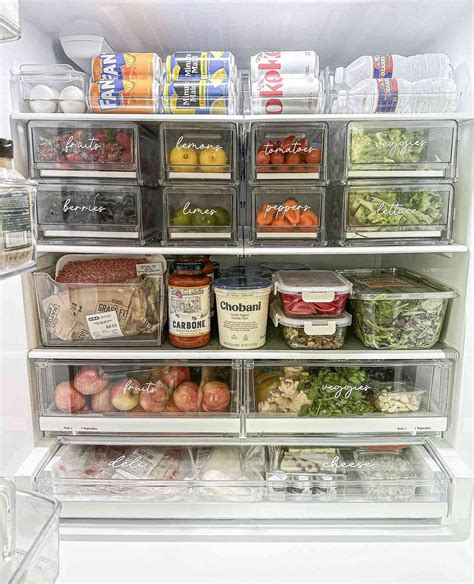
Refrigerator Revival: Maximizing Freshness in the Cold
Your refrigerator is a crucial player in produce preservation, but not all items belong on the same shelf. The key is understanding humidity and ethylene gas production.
Crisper Drawer Control
- High-Humidity Drawer (Closed Vent): Ideal for leafy greens (spinach, lettuce, kale), carrots, broccoli, and other vegetables that wilt easily. The moisture helps them stay crisp.
- Low-Humidity Drawer (Open Vent): Best for fruits and vegetables that produce more ethylene gas and prefer a drier environment, like apples, pears, and bell peppers. Keep them away from ethylene-sensitive items.
Utilize clear, stackable bins or glass containers to organize specific categories of produce within your fridge. This visual clarity helps you quickly identify what needs to be eaten, preventing items from being overlooked and going bad.
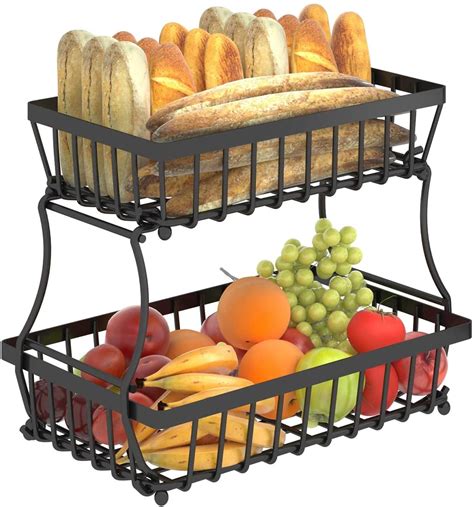
Pantry & Countertop Wisdom: Optimal Room Temperature Storage
Not everything belongs in the fridge. Many fruits and vegetables actually prefer room temperature, at least until they ripen, or for their entire shelf life.
- Onions & Potatoes: Store them in a cool, dark, dry place, but keep them separate! Potatoes emit ethylene gas that can cause onions to sprout faster. Breathable baskets or mesh bags work wonders for air circulation.
- Bananas: Hang them on a banana hook to prevent bruising and slow ripening. If they ripen too quickly, separate them or store individually wrapped stems in plastic wrap to reduce ethylene release.
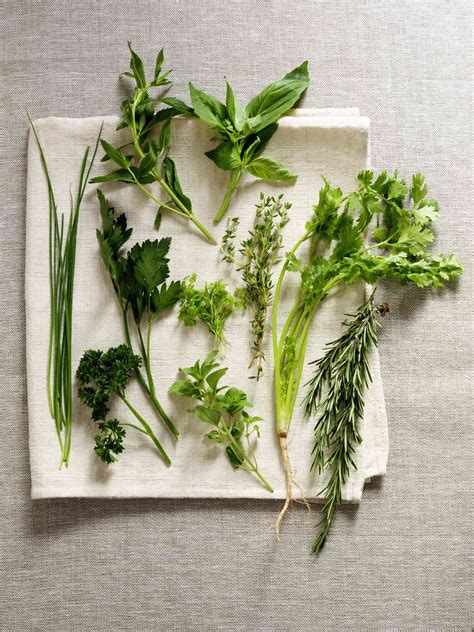
- Herbs: Treat fresh herbs like flowers. Snip the bottoms, place them in a glass of water, and cover loosely with a plastic bag. Store in the fridge for basil (outside the fridge if kitchen is cool). This keeps them vibrant and easy to see.
- Tomatoes & Avocados: Store on the counter until ripe, then move ripe avocados to the fridge to slow further ripening. Tomatoes lose flavor and texture in the fridge.
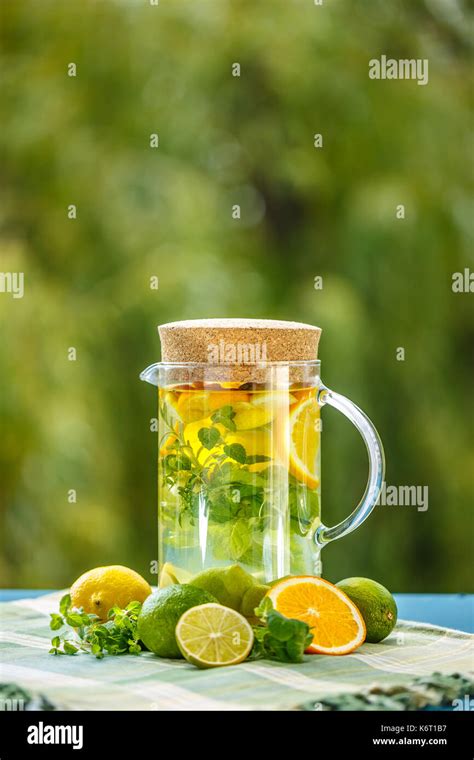
Advanced Visual Hacks for Extended Shelf Life
Beyond basic placement, a few proactive steps can dramatically boost your produce’s longevity and visibility.
Pre-Prep & Store
Washing and prepping certain produce items immediately after buying them can save time and extend freshness. For example, wash and spin-dry leafy greens, then store them with a paper towel in an airtight container. This makes them ready-to-eat and highly visible.
The Freezing Advantage
When you see produce nearing its end, don’t let it go to waste. Chop vegetables like bell peppers, onions, or broccoli and freeze them on a baking sheet before transferring to freezer bags. For berries, spread them on a tray to freeze individually, then bag them. Clear freezer bags or containers help maintain visibility of their contents.
Airtight vs. Breathable
Understand the needs of each item. While airtight containers are excellent for prepped greens and berries, items like mushrooms benefit from being stored in a paper bag to allow them to breathe and prevent sliminess.
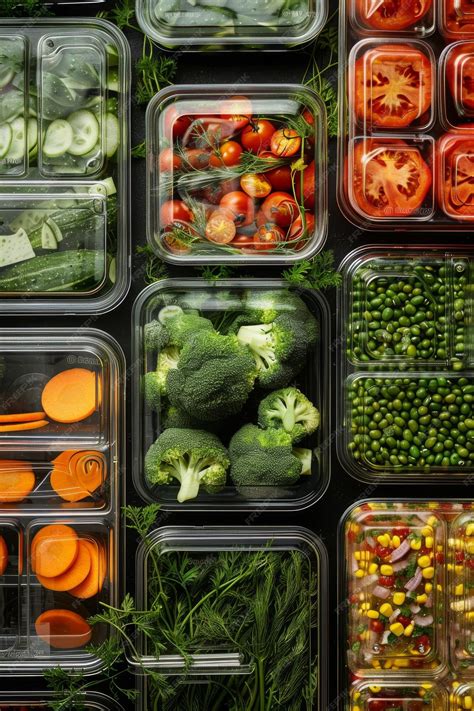
The Visible Payoff: Less Waste, More Freshness
Implementing these visual storage hacks is more than just organizing your kitchen; it’s a strategic move to preserve the quality of your food, reduce your grocery bill, and make a tangible impact on food waste. By creating systems where every fruit and vegetable has its optimal home and is easily seen, you’ll naturally reach for fresher ingredients and enjoy a more vibrant, waste-free kitchen experience.
Start small by implementing one or two of these tips and observe the difference it makes. A visually organized kitchen is a more efficient and sustainable one.