Best visual strategy to capture & share authentic local food adventure stories?

Capturing the Soul of Local Cuisine: A Visual Blueprint
In an age where everyone’s a foodie and a traveler, merely snapping a picture of a dish no longer cuts it. To truly capture and share authentic local food adventure stories, you need a visual strategy that goes beyond aesthetics, diving deep into the culture, people, and processes behind the plate. It’s about evoking emotion, telling a genuine story, and transporting your audience to that very street corner or bustling market.
Understanding Authenticity Through the Lens
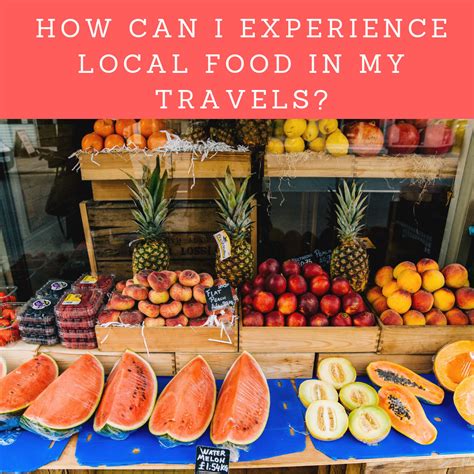
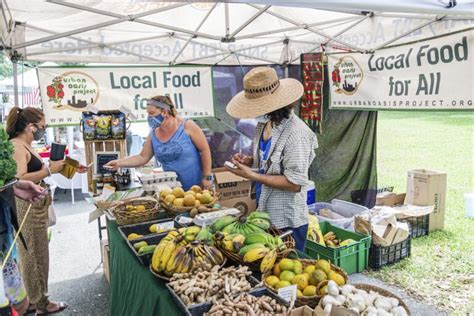
Authenticity in food storytelling isn’t just about the food itself; it’s about context. It’s the weathered hands of the street vendor, the steam rising from a humble stall, the vibrant chaos of a local market, or the shared laughter over a communal meal. Your visuals should strive to capture these elements, making the viewer feel present and connected. Think about what makes a dish unique to its locale – is it the ingredients, the cooking method, the setting, or the people who prepare and consume it?
The Storyteller’s Toolkit: Gear & Mindset
While high-end cameras offer superior control, a modern smartphone can be incredibly effective, especially for candid, on-the-go shots that feel intimate and immediate. The key isn’t just the equipment, but the ‘storyteller’s eye’ – an observational mindset that seeks out the details, the interactions, and the unseen moments that bring a narrative to life. Always be ready to shoot, and don’t be afraid to experiment with different perspectives.
Mastering the Shot: Techniques for Local Flavors
Natural Lighting is Your Best Friend: Harsh flash can kill authenticity. Seek out natural light, whether it’s the soft glow of a window, the golden hour sun, or the ambient light of a restaurant. This creates a more inviting and honest portrayal of the food and its environment.
Angles & Composition: Vary your shots. An eye-level shot connects the viewer directly to the experience, while an overhead ‘flat lay’ provides context of multiple dishes or ingredients. Don’t forget close-ups on textures, steam, or intricate details that hint at the flavors. Use the rule of thirds to compose engaging scenes.
Include People & Process: The most powerful food stories often involve people. Capture chefs at work, vendors interacting with customers, locals enjoying their meals, or the hands preparing the ingredients. These human elements imbue your visuals with warmth, connection, and a sense of place. Show the journey of the food, from market to plate.
Weaving a Narrative: The Power of Video
Still photos are essential, but short-form video (for platforms like Instagram Reels or TikTok) and longer-form content (for YouTube or blogs) can add dynamic layers to your storytelling. Capture the sizzle of a pan, the methodical chop of ingredients, the hustle and bustle of a market, or the laughter around a shared table. Video allows you to convey the sounds, movements, and atmosphere that static images can’t, offering a more immersive adventure.
Post-Production & Presentation: Enhancing the Narrative
Editing for Impact: Subtle editing can significantly enhance your visuals. Focus on color correction to make the food look vibrant and appealing, crop to improve composition, and ensure a consistent visual style across your stories. Avoid over-editing that distorts authenticity.
The Power of Captions: Your visuals do the heavy lifting, but captions provide the vital context. Share anecdotes, the history of a dish, names of the people you met, or the emotions you felt. This narrative layer transforms a good photo into a compelling story.
Curating the Series: Don’t just post individual shots. Curate a series of photos and videos that tell a complete story, from the market visit to the cooking process to the final delicious bite. This creates a stronger, more coherent adventure for your audience.
Sharing Your Culinary Tales: Platforms & Engagement
Choose platforms that best suit your content: Instagram and TikTok for short, visually driven stories; a blog or YouTube channel for more in-depth narratives. Engage with your audience by asking questions, responding to comments, and encouraging them to share their own food adventures. Building a community around your stories amplifies their reach and impact.
Conclusion: Story First, Visuals Follow
The best visual strategy for capturing and sharing authentic local food adventure stories starts with a deep appreciation for the story itself. By focusing on natural light, incorporating people and process, utilizing both photo and video, and crafting compelling narratives through thoughtful editing and captions, you can create a truly immersive and authentic experience for your audience. Remember, you’re not just documenting food; you’re preserving culture, celebrating human connection, and inspiring others to embark on their own delicious adventures.