Best visual tips for finding real local food on your adventures?

Embarking on a culinary adventure is one of the most enriching ways to experience a new destination. While guidebooks and online reviews are helpful, truly discovering the heart of a local food scene often comes down to keen observation. Visual cues are your secret weapon, guiding you past tourist traps to the authentic flavors beloved by residents. Here’s how to sharpen your visual senses and find real local food on your next journey.
Look for the Locals
The most straightforward visual indicator of authentic local food is the presence of locals themselves. If a restaurant, market stall, or street vendor is packed with people who appear to be residents rather than tourists, you’re likely onto a winner. Observe their demographics – are they families, workers on lunch breaks, or groups of friends? Their enthusiastic chatter and contented expressions are often clearer indicators of quality than any five-star review.
Buzzing Eateries
A bustling, slightly chaotic, yet organized atmosphere is often a good sign. Look for places with a steady stream of customers, especially during peak meal times. Long queues, while sometimes daunting, often point to a highly recommended spot. Don’t be swayed by empty, overly polished establishments; true local gems frequently prioritize flavor and authenticity over sleek aesthetics.
Market Mavens
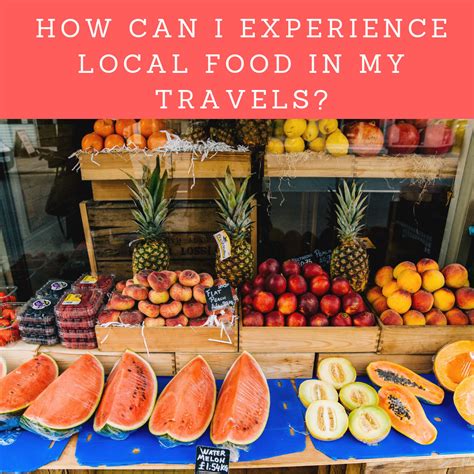
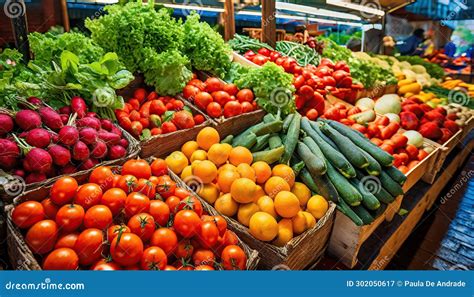
Local markets are treasure troves of regional produce and prepared foods. Pay attention to which stalls draw the biggest crowds of local shoppers. These are the vendors known for the freshest ingredients, the most traditional preparations, and the best value. Engage with your eyes: look for vibrant colors in fruits and vegetables, fresh-cut meats, and aromatic spices. Watch what the locals are buying and how they interact with the vendors.
Visual Cues of Authenticity
Simple Signage & Decor
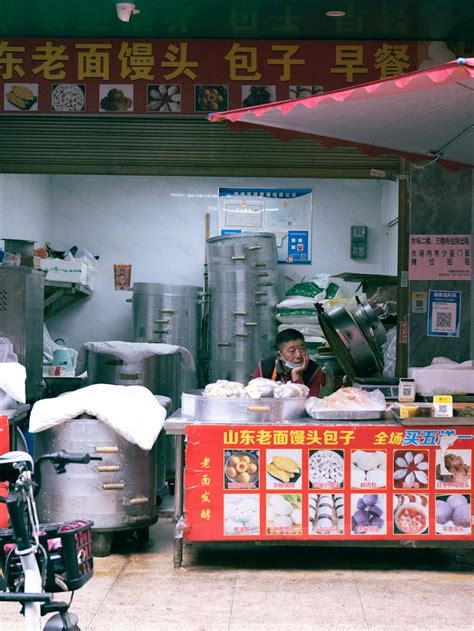
Authentic local eateries often have modest, unpretentious decor and signage. Look for handwritten menus, well-worn tables, and a general lack of flashy marketing geared towards tourists. These visual signals suggest a focus on the food itself rather than on elaborate presentation or tourist-centric branding. Peeking into the dining area, if possible, for clean but not necessarily sterile environments can also be reassuring.

The Menu Language
While often challenging, a menu predominantly or entirely in the local language can be a very good sign. If there’s no English translation, or if the English translation is clearly an afterthought, it often means the establishment caters primarily to locals. Conversely, multi-lingual menus with glossy pictures of generic dishes can sometimes signal a more tourist-oriented spot. Don’t be afraid to point and communicate with gestures!
Open Kitchens & Fresh Displays
Many local food spots, especially street food vendors and smaller restaurants, will have an open kitchen or visible preparation area. This transparency is a fantastic visual cue for freshness and hygiene. Look for fresh ingredients openly displayed, food being cooked to order, and clean workspaces. If you can see the chef passionately preparing dishes, it adds another layer of confidence in the meal to come.
Street Food Savvy
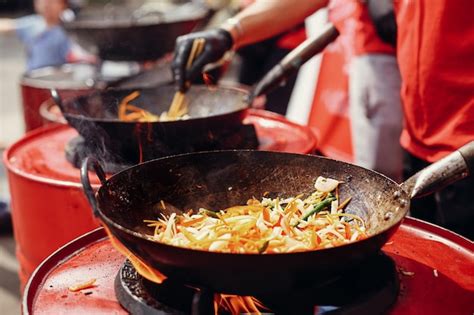
Street food is a cornerstone of many local cuisines. When approaching street food stalls, use your visual instincts. Look for vendors with high turnover – food that’s being cooked and served continuously is less likely to have sat around. Observe the cleanliness of the stall and the vendor’s practices. A good rule of thumb: if it’s fried fresh and served hot, it’s generally safer and tastier. The visual spectacle of sizzling woks, bubbling pots, and vibrant skewers is often an accurate prelude to deliciousness.
Beyond the Plate: Local Ingredients
Expand your visual search to local grocery stores and specialty shops. Even if you’re not planning to cook, observing the types of produce, cheeses, baked goods, and prepared foods that locals buy offers insights into the regional diet. It can inspire you to seek out restaurants featuring those same ingredients, giving you a deeper appreciation for the local food ecosystem.
Ultimately, finding real local food on your adventures is an art of observation. Trust your gut (literally!), pay attention to where the locals gather, and let visual cues guide you to unforgettable culinary experiences that truly reflect the heart and soul of your destination. Happy eating!