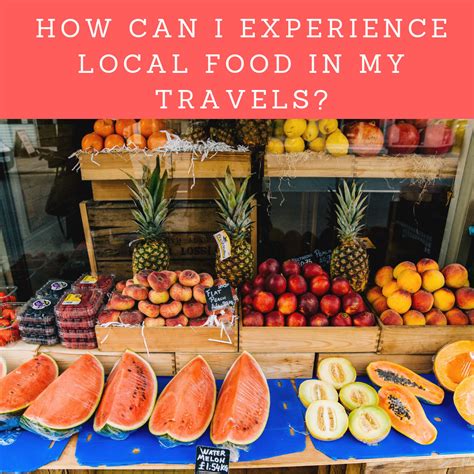
Best visual tips for foodies capturing real, local street food adventures?

Embrace the Magic of Natural Light
Street food adventures are a feast for the senses, and capturing their essence visually requires more than just pointing and shooting. The first, and arguably most crucial, tip is to master natural light. Overcast days offer soft, diffused light that’s perfect for food photography, minimizing harsh shadows and hot spots. If the sun is out, seek shade or photograph during the golden hours – early morning or late afternoon – when the light is warm and forgiving. Avoid direct midday sun, which can make your food look flat and unappetizing, creating stark contrasts that obscure delicious details.
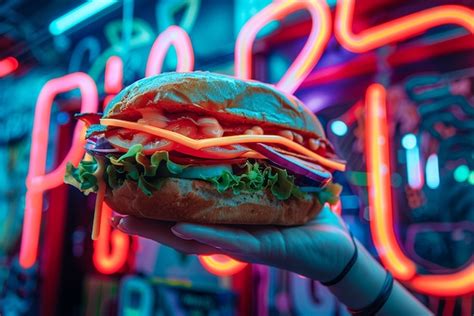
Capture the Context and Culture
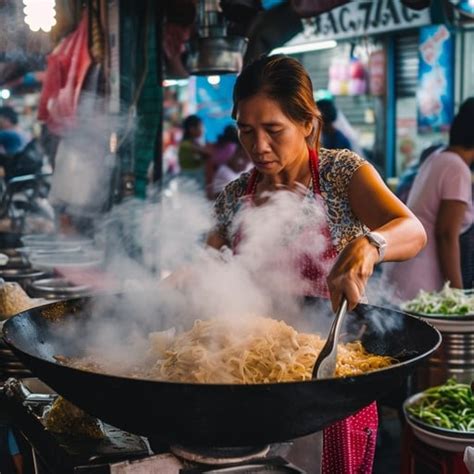
Real street food isn’t just about the dish itself; it’s about the vibrant environment, the bustling market, the skilled vendor, and the cultural tapestry it’s woven into. Don’t just zoom in on the plate. Pull back to include elements that tell a story: the vendor’s hands, the stall’s unique decorations, the steam rising from a wok, or the lively crowd in the background. These contextual shots add depth, authenticity, and a sense of place to your food adventure photos, transforming them from mere food porn into compelling travel narratives.
Experiment with different perspectives. A wide shot can establish the scene, while a close-up can highlight the intricate details of a dish. Don’t be afraid to get low or shoot from above to find the most engaging angle.
Focus on Authenticity and Raw Details
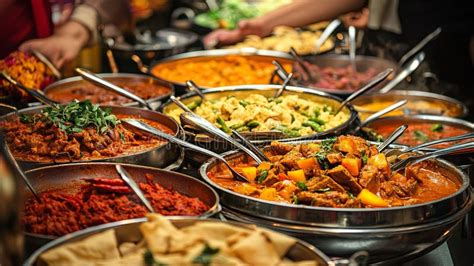
The beauty of street food lies in its raw, unpolished authenticity. Resist the urge to ‘stage’ the food excessively. Instead, capture it as it is presented, perhaps with a slight adjustment for better composition. Look for the steam, the drips, the vibrant spices, the char marks – these imperfections tell the story of how the food was made and how delicious it truly is. Emphasize textures, colors, and the freshness of ingredients. The goal is to make viewers feel like they are right there, experiencing the moment with you.
Engage with Locals and Capture the Human Element
Street food experiences are inherently social. Don’t shy away from featuring the people who make and enjoy the food. A shot of a vendor’s smiling face, their hands expertly preparing a dish, or a local enjoying their meal adds an invaluable human element. Always be respectful and ask for permission before taking photos of people, especially close-ups. Their expressions and interactions can elevate your images, making them relatable and emotionally resonant. These moments transform your photos from simple food pictures into cultural snapshots.

Mindful Composition and Storytelling
While spontaneity is key, a little thought about composition goes a long way. Use the rule of thirds to place your main subject off-center for a more dynamic image. Look for leading lines, such as rows of food stalls or the edges of a table, to draw the viewer’s eye into the shot. Simplicity is often best; try to isolate your main subject to avoid clutter. Ultimately, each photo should contribute to a larger story. Think about capturing the journey of the food: from raw ingredients to preparation, to being served, and finally, to being enjoyed. This sequence of images can tell a much richer visual tale than individual shots alone.
Capturing the heart of street food adventures is an art that blends observation, respect, and technical know-how. By focusing on natural light, context, authenticity, and the human element, you’ll transform your food photos into vivid, memorable stories that truly transport your audience to the bustling streets and delicious flavors you’ve encountered.