Best visual tips for quick, healthy meal prep that actually lasts?

Mastering Meal Prep: Visual Keys to Lasting Freshness and Efficiency
Meal preparation can be a game-changer for a healthy lifestyle, but often, the biggest challenges are maintaining freshness and keeping things exciting. The secret? Leveraging visual cues and smart organization. By making your meal prep visually appealing and intuitively structured, you’ll not only save time but also ensure your healthy creations last longer and are more enticing to eat.
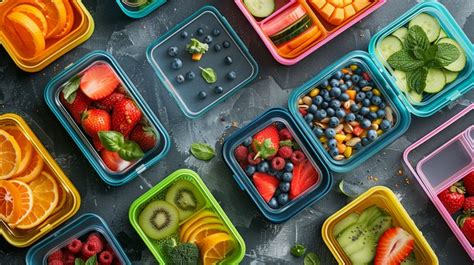
1. See It to Eat It: The Power of Transparency
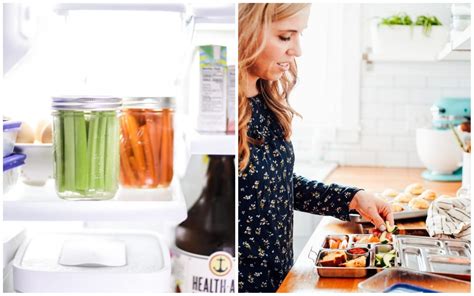
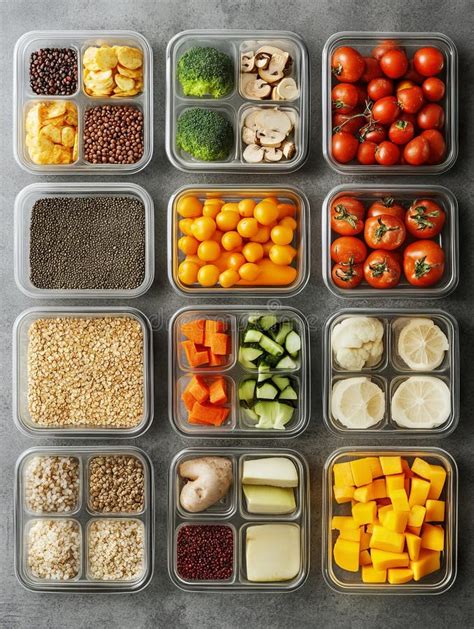
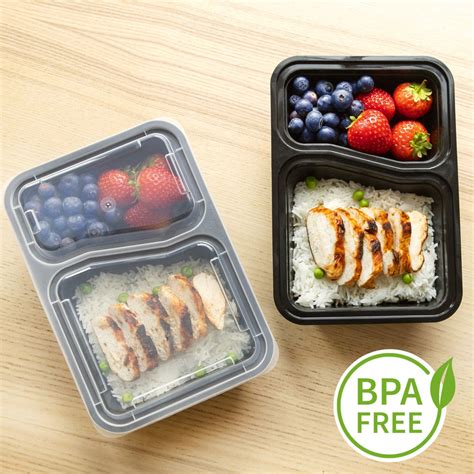
One of the simplest yet most effective visual tips is to invest in clear, stackable containers. When you can easily see what’s inside each container, you’re far more likely to grab a healthy meal instead of reaching for a less nutritious option. Transparency removes the mental barrier of ‘what’s in here?’ and makes your fridge look like an inviting, healthy buffet.
- Visibility: Clear containers instantly showcase your colorful, nutritious meals.
- Quick Identification: No more digging around or opening lids to find what you want.
- Motivation: A fridge full of vibrant, visible prepped meals acts as a constant motivator.
2. Label Love: Organization at a Glance
While clear containers help, adding clear, concise labels takes organization to the next level. This visual system is crucial for tracking freshness and knowing exactly what you have on hand.
- Date Everything: Always label with the prep date and a ‘consume by’ date (typically 3-4 days for most meals). Use a whiteboard marker on glass or reusable labels.
- Content Clarity: Briefly note the meal type (e.g., “Chicken Stir-fry,” “Quinoa Salad”). This is especially helpful if you have similar-looking dishes.
- Color-Coding: Assign different colored labels or container lids to categorize meals (e.g., green for vegetarian, red for protein-rich, blue for snacks). This makes meal selection even faster.
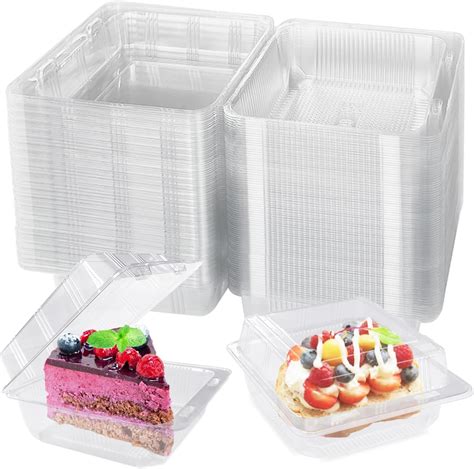
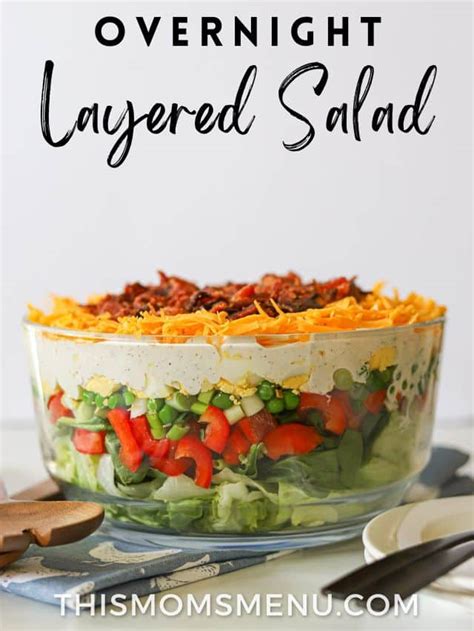
3. Strategic Stacking & Layering for Freshness
The way you arrange food within your containers significantly impacts its longevity and appeal. Visualizing the composition before you pack can prevent soggy salads and bland bowls.
- Dressings on the Bottom (or Side): For salads and grain bowls, put dressing or sauces at the very bottom of the container, then hardier vegetables, grains, and protein, with delicate greens on top. This prevents sogginess.
- Keep Components Separate: If a meal has elements that turn mushy or release moisture (like sliced tomatoes or sauces for stir-fries), store them in smaller, separate compartments or containers. Visually, this keeps your meal looking pristine until you’re ready to combine.
- Airflow is Key: Don’t overpack containers. Leaving a little room at the top allows for better air circulation and prevents food from getting crushed or molding quickly.
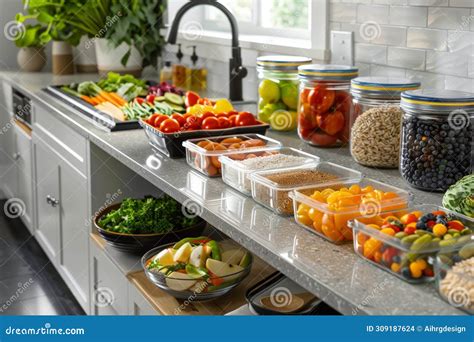
4. The Visual Prep Station: Efficiency Personified
A well-organized kitchen space is a visual invitation to cook. Before you even start chopping, set up your “mise en place” (everything in its place) to visually streamline the cooking process.
- Dedicated Zones: Designate specific areas for chopping, cooking, and assembling. This visual separation helps workflow.
- Pre-Portion Ingredients: Before cooking, measure out all your spices, oils, and sauces into small bowls. This visually confirms you have everything and reduces mid-cook scrambling.
- Tool Accessibility: Keep your most-used knives, cutting boards, and measuring cups within easy reach. A tidy, functional space makes the task less daunting.
5. Portioning Perfection: Visual Cues for Balanced Meals
Achieving balanced nutrition is easier when you visually portion your meals. Use appropriately sized containers and follow simple visual guides.
- The Plate Method: Imagine your plate (or container) divided: half for vegetables, a quarter for lean protein, and a quarter for complex carbohydrates. This visual guide ensures balanced macros.
- Container Sizing: Match the container size to your intended portion. Having a range of sizes helps avoid overeating and ensures you don’t waste space with too-large containers for snacks.
- Batch Prep Ingredients Separately: Sometimes, prepping individual ingredients (e.g., cooked chicken, roasted veggies, quinoa) and then assembling them daily works best for variety and visual appeal. This offers flexibility and prevents ‘meal prep fatigue’.
The Lasting Impact of Visual Meal Prep
By implementing these visual strategies – from transparent storage and diligent labeling to strategic layering and an organized prep space – you transform meal prep from a chore into an enjoyable, sustainable habit. You’ll enjoy fresher, more appealing meals, reduce food waste, and stay consistently on track with your health goals. Embrace the visual power of meal prep and watch your healthy eating efforts truly last.