Best visual tips for real foodies to spot and capture authentic local eats?

The Quest for Genuine Flavors: A Visual Guide
For the discerning palate, a foodie adventure isn’t just about tasting; it’s about seeing, smelling, and truly immersing oneself in the local culinary landscape. Spotting authentic local eats amidst tourist traps can be a challenge, but with a keen eye and a few visual cues, you can uncover hidden gems. Moreover, capturing these culinary masterpieces through photography elevates the experience, allowing you to relive and share your journey.
Spotting Authentic Local Eats: Visual Cues to Trust
The first step in your culinary exploration is learning to distinguish the genuine from the generic. One of the most reliable indicators is the ‘local test.’ Look for establishments bustling with local patrons rather than a crowd of tourists. If a place is packed with residents, especially during non-peak hours, it’s a strong sign of quality and authenticity. Observe how they interact with the food and the staff – a comfortable, familiar vibe often signals a well-loved local spot.
Next, pay attention to the menu and its focus. Authentic local eateries often specialize in a handful of dishes, perfecting them over generations. A short, focused menu, particularly one handwritten or in the local language (with perhaps a rough translation), suggests a commitment to traditional recipes rather than catering to a broad, international palate. Be wary of places with extensive, multi-cuisine menus.
Consider the atmosphere and setting. While some authentic spots can be upscale, many of the most beloved local eateries are humble, unpretentious, and might even look a bit rough around the edges. Street food stalls, small family-run diners, or market vendors often offer the most genuine flavors. The visual simplicity often hides a wealth of culinary tradition.

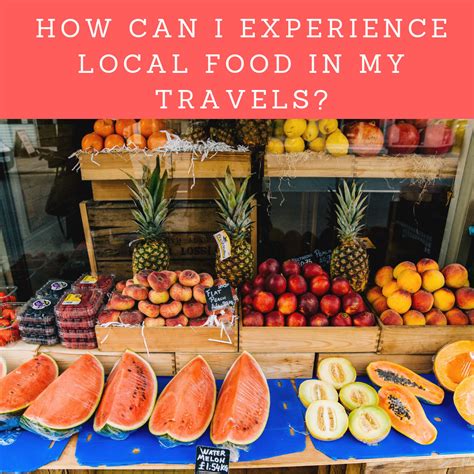
Observe the freshness of ingredients. If you can see the raw produce, seafood, or meats being handled, are they vibrant, crisp, and clean? In many cultures, ingredients are sourced daily from local markets. A visual inspection of the raw components can tell you a lot about the care and quality put into the final dish. Similarly, watch for traditional cooking methods – open-flame grilling, steaming in bamboo baskets, or hand-kneading dough are all visual indicators of time-honored techniques.
Capturing the Essence: Food Photography Tips for Authentic Eats
Once you’ve found your authentic treasure, the next step is to capture its story. Great food photography is about more than just a pretty picture; it’s about conveying the taste, texture, and cultural context.
Light is paramount. Always seek out natural light. Position your dish near a window or outdoors, using diffused light whenever possible. Avoid harsh direct sunlight, which can create strong shadows and blow out details, and definitely steer clear of your camera’s built-in flash, which flattens images and creates an unappetizing glare. Natural light enhances colors, textures, and the overall mood of the shot.

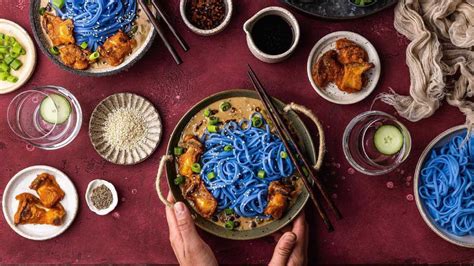
Composition matters. Apply basic photography principles like the rule of thirds to place your dish off-center for a more dynamic image. Experiment with different angles: an overhead flat lay can showcase the entire spread, while a shallow depth-of-field shot at eye-level can highlight intricate details and create a sense of intimacy. Don’t be afraid to get close to capture the textures – the glistening sauce, the crispy edges, the perfectly cooked grain.
Tell a story. Your photograph should do more than just show food; it should evoke the experience. Include elements of the environment – the unique table setting, a glimpse of the bustling market, or even the chef’s hands preparing the meal. These contextual details add depth and authenticity to your images, making them more engaging and memorable. A touch of steam rising from a hot dish, or a crumb on the table, can add to the narrative.
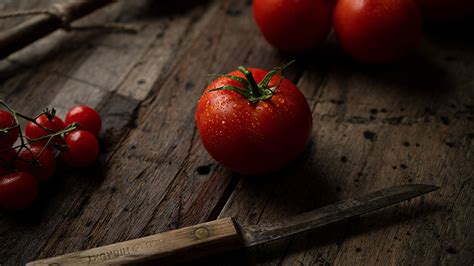
Focus on details and color. Authentic local dishes are often vibrant and visually rich. Emphasize these qualities. Look for contrasting colors, interesting textures, and unique garnishes. A sharp focus on a key element, with the background softly blurred, can draw the viewer’s eye and highlight the star of the show. Remember to clean your lens before shooting!
Embrace the Adventure
Discovering and documenting authentic local eats is a rewarding journey that engages all your senses. By honing your visual detection skills and mastering a few photography techniques, you’ll not only savor incredible flavors but also create a captivating visual diary of your culinary escapades. So, grab your camera, sharpen your observation, and let your foodie adventures begin!