Best visual tips for spotting hidden foodie gems & authentic local eats?

Beyond the Guidebook: Visual Clues to Culinary Authenticity
Embarking on a food adventure in a new destination is often about more than just satisfying hunger; it’s about connecting with culture through its cuisine. While guidebooks and online reviews can point you to popular spots, the real magic often lies in discovering hidden foodie gems and truly authentic local eats. These are the places that might not show up on every ‘top 10’ list, but offer an unforgettable taste of a region’s heart and soul. Learning to trust your eyes and instincts is key to uncovering these culinary treasures.
Follow the Local Crowd
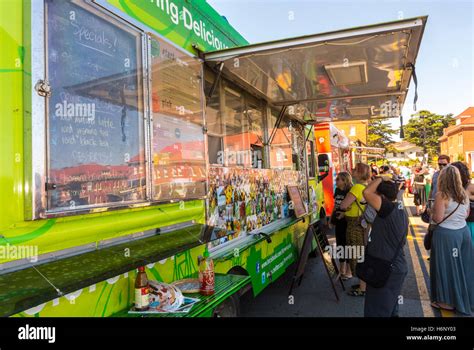
One of the most reliable indicators of a great local eatery is a bustling crowd, particularly one composed predominantly of locals. If you see people queuing up, especially during peak meal times (lunch around noon-1 PM, dinner around 7-9 PM), it’s a strong sign that the food is worth the wait. Locals know where to find the best value, freshest ingredients, and most authentic flavors. A restaurant packed with residents suggests a loyal following and a consistently good experience.
Don’t just look at the crowd outside; observe who is seated inside. Are families gathered, friends chatting animatedly, or solo diners enjoying their meal? A high ratio of locals signals that this establishment is a genuine part of the community’s daily life, not just a tourist trap.
Embrace the Humble and Unpretentious
Often, the most incredible food comes from the most unassuming places. Don’t be deterred by a modest exterior, simple decor, or even a slightly rundown appearance. In many cultures, the focus is entirely on the food, not on fancy aesthetics. Look for small, family-run establishments where the atmosphere is less about glamor and more about genuine hospitality and delicious sustenance.
Pay attention to the menu. Is it short, focused, and perhaps even handwritten or displayed on a whiteboard? This often indicates a place that specializes in a few dishes, perfecting them over time. A vast menu with international options can sometimes be a red flag, suggesting a lack of specialization in local fare.
Signs of Freshness and High Turnover
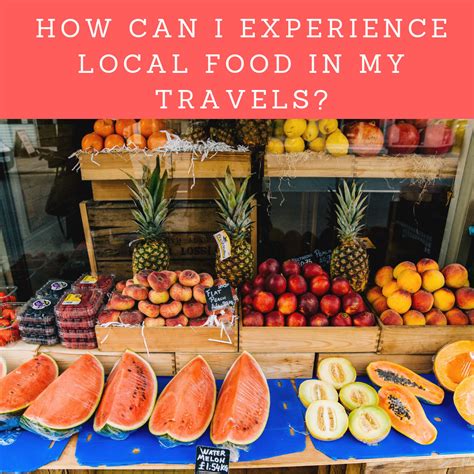
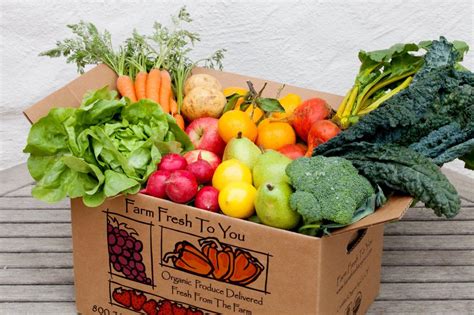
Visual cues related to freshness are paramount. If you can see into the kitchen or food preparation area (common with street food stalls or open-concept restaurants), observe the ingredients. Are vegetables vibrant and crisp? Is meat handled hygienically and freshly cut? Does the oil in the fryer look clean?
High customer turnover is also a good sign of freshness. Places that are constantly busy are constantly cooking, meaning ingredients aren’t sitting around for long. The aroma wafting from a busy kitchen can also be a powerful draw – a rich, inviting scent of spices and sizzling food can be an irresistible invitation.
Mastering Street Food Savvy
Street food is often the ultimate expression of local cuisine. To navigate it like a pro, look for vendors with visible signs of popularity – a consistent stream of customers, especially locals, is key. Observe the cleanliness of the stall and the vendor’s practices. Are surfaces clean? Are ingredients stored properly? Does the vendor handle money and food separately, or use gloves?
Watch the cooking process. Does the food look freshly prepared and cooked to order? Are traditional methods being used? A vendor who clearly takes pride in their craft and maintains a clean, efficient setup is likely to be serving up delicious and safe eats.

The Menu: A Language of Authenticity
While English menus are convenient, a menu primarily in the local language (or with minimal, perhaps even quirky, English translations) can be a positive sign. It often indicates a place catering to locals, not just tourists. Don’t be afraid to point, gesture, or use a translation app to order. This interaction can itself be part of the adventure.
Look for dishes you haven’t seen elsewhere or specialties unique to that region. These are often the hidden gems, representing generations of culinary tradition. Ask locals for recommendations, even if it’s just by pointing to what they’re eating – a universal language for food lovers.
Conclusion: Trust Your Senses
Finding hidden foodie gems is an art that combines observation, intuition, and a willingness to step outside your comfort zone. By following the crowds of locals, embracing humble establishments, scrutinizing freshness, and being adventurous with street food and local language menus, you’ll dramatically increase your chances of discovering truly authentic and unforgettable culinary experiences. Let your senses guide you, and prepare to taste the true essence of your destination.