Best visual tips for zero-waste meal prep with farmers’ market hauls?

Embrace the Abundance: Zero-Waste Prep from Market to Table
There’s a special joy in browsing the vibrant stalls of a farmers’ market, filling your bags with peak-season produce. But the journey from farm-fresh bounty to delicious, zero-waste meals requires a mindful approach, especially when it comes to visual organization and efficient use. This guide will help you transform your market haul into prepped wonders, minimizing waste and maximizing flavor, all while keeping your kitchen beautiful and functional.

Smart Shopping & Storage: A Feast for the Eyes
Your zero-waste journey begins at the market itself. Bring your reusable bags, produce bags, and even containers for berries or herbs. Focus on what’s in season and plan meals around those ingredients. Once home, the visual appeal of your organized produce can motivate your meal prep.
Pre-Prep Perfection: Wash, Trim, & Store
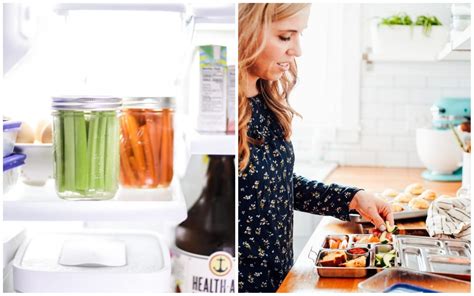
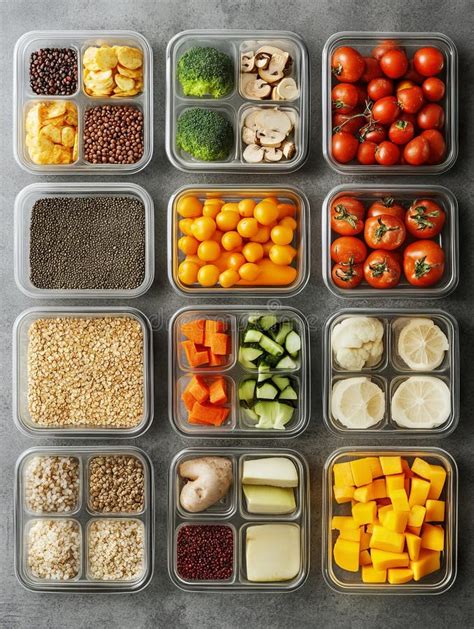
Upon arrival, resist the urge to just dump everything into the fridge. Dedicate a short time to wash, dry, and trim your produce. Leafy greens benefit from a gentle wash, spin-drying, and then storing in breathable bags or containers with a damp cloth. Hardier vegetables like carrots, beets, and radishes can be cleaned and stored in airtight containers with a little water at the bottom to maintain crispness. Visually appealing, clear containers not only keep food fresh but also make it easy to see what you have, reducing forgotten items.
Prep Like a Pro: Maximizing Every Bit
This is where the magic of zero-waste truly shines. Think beyond just the main components and consider how you can utilize every edible part of your farmers’ market treasures. Visual appeal comes from neat cuts and vibrant colors arranged thoughtfully.
Batch Cooking & Color Coordination
Chop vegetables for multiple meals at once. Dice onions, slice peppers, mince garlic, and spiralize zucchini. Store these prepped components in separate, clearly visible containers. You’ll be amazed at how much faster meal assembly becomes. Consider cooking a large batch of grains (quinoa, farro) or roasting a tray of seasonal vegetables to be incorporated into various dishes throughout the week. Grouping similar colors or textures can also be visually pleasing and make meal planning more intuitive.

Don’t Waste the Scraps!
The stems, peels, and less-than-perfect outer leaves are not trash; they are potential. Keep a “scrap bag” in your freezer for vegetable ends – these are perfect for making flavorful homemade vegetable broth. Herb stems can often be used in broths or infused oils. Overripe fruits can be blended into smoothies or turned into fruit leathers. Visually, a designated compost bin or a clearly labeled freezer bag for scraps reminds you of your commitment to zero waste.
The Art of Assembly & Sustainable Storage
Once your ingredients are prepped, the fun of assembly begins. This is where your meals truly come to life, not just in flavor but in visual appeal.
Layering for Success: Jars and Containers
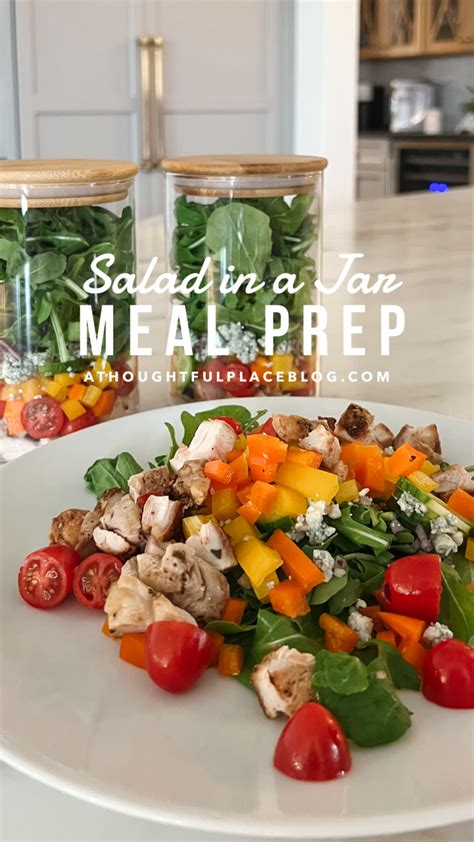
For grab-and-go meals, layering ingredients in wide-mouth jars or clear containers is both practical and beautiful. Place dressings or sauces at the bottom, followed by hard vegetables (carrots, bell peppers), grains, proteins, and finally, delicate greens or herbs on top. This prevents sogginess and creates an enticing visual stack of fresh ingredients. The clear view helps you identify your meal at a glance.
Labeling and Organizing Your Fridge
A well-organized fridge is a zero-waste fridge. Use reusable labels (chalk pens on glass, washable tags) to clearly mark containers with contents and dates. Group similar items together. Keeping your fridge tidy and visually accessible ensures that you know exactly what you have, when it needs to be eaten, and prevents food from getting lost in the back, ultimately reducing waste. A dedicated “Eat Me First” shelf can also be a visual reminder for items nearing their prime.
Enjoy Your Sustainable Culinary Creations
With these visual tips, your farmers’ market hauls will no longer just be ingredients; they’ll be the foundation for a week of delicious, organized, and truly zero-waste meals. Embrace the colors, textures, and freshness, and take pride in your sustainable kitchen.