Best way to keep fresh herbs vibrant for longer, enhancing visual appeal & flavor?

The Secret to Lasting Freshness and Flavor
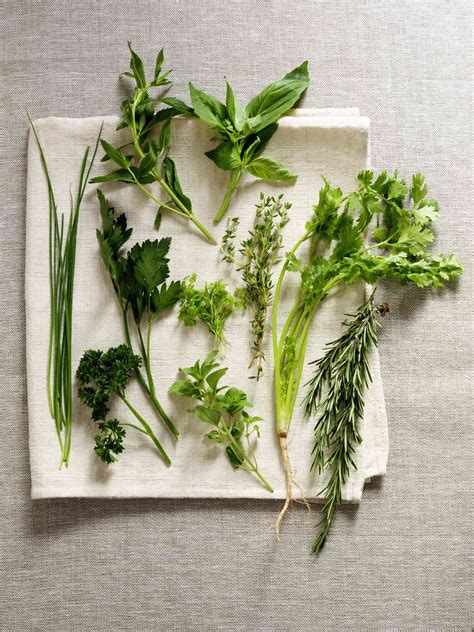
Fresh herbs are the unsung heroes of culinary artistry, capable of elevating a simple dish into an extraordinary experience. Their vibrant colors and potent aromas don’t just add flavor; they contribute to the visual appeal and overall sensory delight of a meal. However, keeping these delicate green treasures from wilting or turning brown can feel like a constant battle. This article will guide you through proven methods to extend the life of your fresh herbs, ensuring they remain vibrant, flavorful, and ready to inspire your next culinary masterpiece.
Why Proper Herb Storage Matters for Visual Appeal & Flavor
Beyond the obvious benefit of reducing food waste, proper herb storage directly impacts the quality of your cooking. Wilting herbs lose not only their crisp texture but also much of their essential oils, which are responsible for their distinctive flavors and aromas. A vibrant garnish of fresh parsley or a fragrant sprinkle of rosemary can transform a plate, making it look as good as it tastes. By mastering these simple storage techniques, you’ll ensure your herbs are always at their peak, ready to deliver maximum impact.
Essential First Steps: Wash, Dry, and Prepare
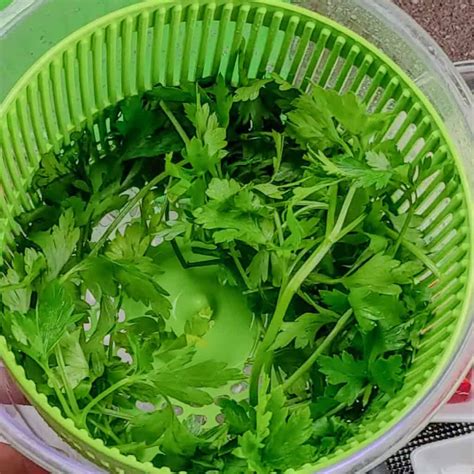
Regardless of the storage method you choose, the initial preparation is crucial. As soon as you bring your herbs home or harvest them from the garden, give them a gentle rinse under cool water to remove any dirt or debris. The most critical step follows: drying. Excess moisture is the enemy of fresh herbs, leading to quicker spoilage and mold. Use a salad spinner or gently pat them dry with paper towels until they are thoroughly, but gently, dry. This meticulous drying process sets the stage for extended freshness.
Tender Herbs: The Water Bath & Damp Towel Embrace
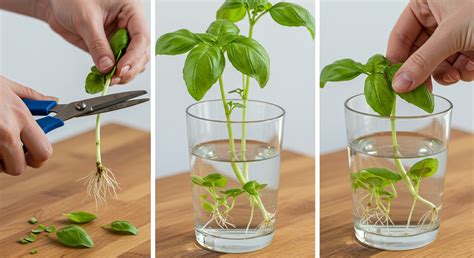
Tender herbs like parsley, cilantro, mint, and dill thrive on moisture but not direct wetness. The ‘flower bouquet’ method is often best for these. Trim the bottoms of the stems, remove any yellowed leaves, and place the bunch upright in a glass jar or vase with about an inch of water, similar to fresh-cut flowers. Loosely cover the herbs and jar with a plastic bag (or even better, a produce bag) and store in the refrigerator. Change the water every day or two. Basil is a notable exception; it prefers room temperature storage, away from direct sunlight, using the same water-bath method but outside the fridge.
Hardier Herbs: The Damp Paper Towel Technique
Hardier herbs such as rosemary, thyme, oregano, and sage have a lower moisture content and prefer a slightly different approach. After washing and thoroughly drying them, wrap the sprigs loosely in a barely damp paper towel. Place this wrapped bundle inside a resealable plastic bag or an airtight container. Store this in the crisper drawer of your refrigerator. The slight dampness of the paper towel prevents them from drying out, while the sealed environment protects them from excessive moisture and air exposure, keeping them fresh for weeks.

Long-Term Solutions: Freezing for Future Flavor
When you have an abundance of herbs or want to preserve their flavor for months, freezing is an excellent option. For most herbs (except basil, which can turn black), finely chop them and pack them into ice cube trays. Cover with a neutral oil (like olive oil) or water, then freeze. Once solid, transfer the herb cubes to a freezer-safe bag or container. These frozen cubes can be dropped directly into soups, stews, sauces, or roasts, retaining much of their original flavor and aroma, though the vibrant green color might slightly diminish.

Maximizing Longevity: Additional Tips and Tricks
- Avoid Overcrowding: Give your herbs space; too many in one container can accelerate spoilage.
- Regular Checks: Remove any wilting or spoiled leaves promptly to prevent them from affecting the rest of the bunch.
- Airtight Containers: For robust herbs, good quality airtight containers can often outperform plastic bags, protecting them better from refrigerator odors and temperature fluctuations.
- Know Your Herbs: Different herbs have different needs. Experiment to find what works best in your specific kitchen environment.
Embrace the Freshness
Keeping fresh herbs vibrant and flavorful for longer isn’t just about preservation; it’s about elevating your entire cooking experience. By implementing these simple yet effective storage techniques, you’ll reduce waste, ensure a constant supply of potent flavors, and always have beautiful garnishes at your fingertips. Experiment with these methods, discover what works best for your favorite herbs, and enjoy the transformative power of truly fresh ingredients in your kitchen life.