Best way to keep fresh herbs vibrant for visually stunning garnishes?

Fresh herbs are more than just flavor enhancers; they are the vibrant finishing touch that elevates a dish from delicious to truly stunning. A limp, discolored sprig of parsley or basil can detract from an otherwise perfect presentation. The key to visually stunning garnishes lies in knowing how to keep your herbs as fresh and vibrant as the day you bought them. This guide will walk you through the best methods to ensure your culinary creations always look their absolute best.
Selecting and Preparing Your Herbs for Longevity
The journey to long-lasting vibrancy begins even before you get home. Choose herbs that already look lively, with bright green leaves and no signs of wilting or discoloration. Once home, proper preparation is crucial. Gently wash your herbs under cool running water to remove any dirt. The most critical step follows: drying them thoroughly. Excess moisture is the enemy of fresh herbs, accelerating spoilage. Use a salad spinner or gently pat them dry with paper towels until there is no visible water.
Soft Herbs: The “Bouquet” Method
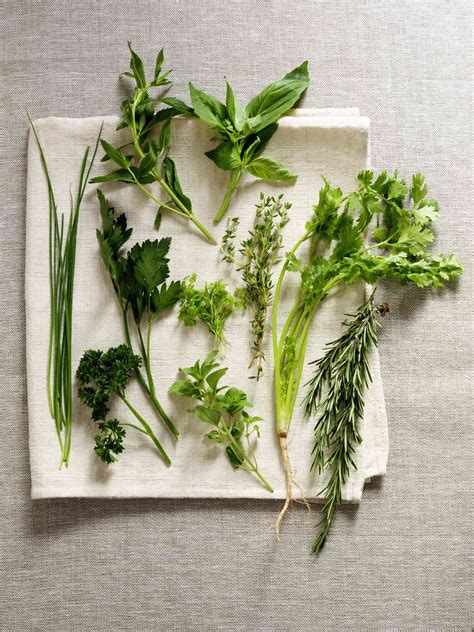
Delicate, leafy herbs like parsley, cilantro, basil, mint, and tarragon thrive with a method similar to how you’d keep a bouquet of flowers. Trim about half an inch off the bottoms of the stems and place the herbs, stems down, in a glass jar or container with about an inch of water. Ensure only the stems are in the water, not the leaves.
For most soft herbs (parsley, cilantro, mint, tarragon), loosely cover the top with a plastic bag and refrigerate. Basil, however, prefers room temperature; refrigeration can cause its leaves to blacken. Change the water every day or two to keep it fresh. This method can keep these herbs vibrant for up to a week or even longer.

Hardy Herbs: Wrapping for Success
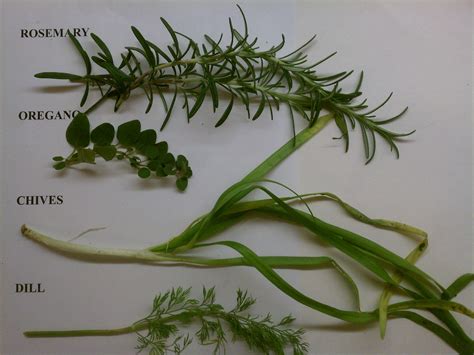
Woodier, hardier herbs such as rosemary, thyme, oregano, and chives have different needs. After washing and thoroughly drying them, wrap them loosely in a slightly damp paper towel. Place this bundle inside a resealable plastic bag or an airtight container. The damp towel provides just enough humidity to prevent drying out without encouraging mold growth, while the bag or container protects them from air exposure and odors in the fridge.
Store these wrapped herbs in the crisper drawer of your refrigerator. They can last for two to three weeks, or even longer, when stored this way. Periodically check the paper towel and re-dampen it if it dries out, or replace it if it becomes too wet.
Beyond the Fridge: Other Preservation Tricks
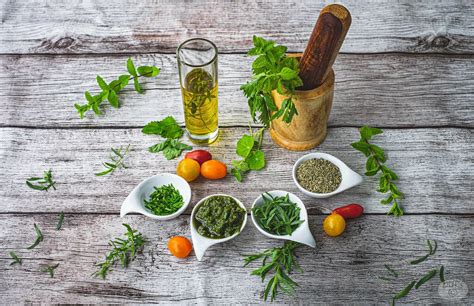
If your herbs start to look a little sad but aren’t yet spoiled, a quick ice bath can often revive them. Submerge wilting herbs in a bowl of ice water for 15-30 minutes; they’ll often perk right up, making them usable for garnishes once more. For longer-term storage, especially for herbs you use frequently but don’t need visually perfect, consider freezing. Chop herbs finely, mix with a little olive oil or water, and freeze in ice cube trays. While these frozen herb cubes are fantastic for cooking, their texture isn’t ideal for delicate garnishes.

The Impact of Vibrant Garnishes
The effort invested in preserving your fresh herbs truly pays off at plating time. A vibrant sprig of mint on a dessert, a scattering of emerald-green chives over a soup, or a perfectly placed basil leaf on a bruschetta can transform a dish. These bright, lively touches demonstrate attention to detail and a commitment to quality that enhances the entire dining experience. Always trim and arrange your garnishes just before serving to ensure maximum visual impact.

By implementing these simple yet effective storage methods, you’ll ensure that your fresh herbs remain a vibrant, indispensable tool in your culinary arsenal. Say goodbye to wasted herbs and hello to consistently stunning, professional-looking dishes that impress both the palate and the eye.