Best way to store fresh herbs for peak flavor and less waste?

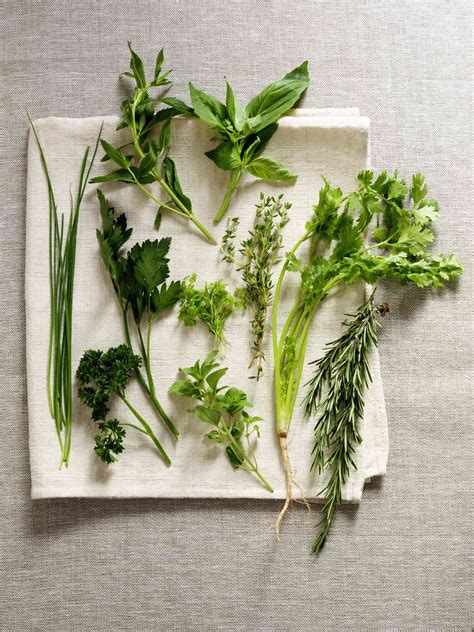
Fresh herbs are the soul of many dishes, adding vibrant flavors and aromas that elevate everyday cooking. However, their delicate nature means they can wilt, yellow, and lose their potency quickly if not stored correctly, leading to frustrating waste and diminished culinary results. Mastering the art of herb preservation is a game-changer for any home cook, ensuring your ingredients stay fresh, flavorful, and ready to enhance your meals for longer.
Understanding Herb Needs: Why They Wilt
Most herbs are tender-leafed plants that are highly susceptible to moisture loss. Once cut, their cells begin to dehydrate, leading to wilting. The key to extending their life is to create an environment that mimics their natural growing conditions – a balance of moisture and appropriate temperature, without encouraging rot or mold. Different types of herbs have slightly different preferences, so a one-size-fits-all approach isn’t always best.
Method 1: The Water Bath for Delicate Herbs
This method is ideal for leafy, tender herbs like parsley, cilantro, dill, mint, and tarragon. It’s similar to how you’d treat a bouquet of flowers.
- Trim & Hydrate: First, trim about an inch off the bottom of the stems. If the herbs look a bit sad, submerge them in a bowl of cool water for 30 minutes to rehydrate before proceeding.
- Water Jar: Fill a glass jar or container with about an inch of fresh, cool water.
- Place Herbs: Place the trimmed herb stems into the water, ensuring only the stems are submerged and the leaves remain dry.
- Cover & Refrigerate: Loosely cover the top of the herbs and jar with a plastic bag (a produce bag works well) to create a humid environment. Store the jar in the refrigerator. Change the water every 1-2 days, or if it appears cloudy.
This method can keep herbs fresh for up to two weeks. Basil is a notable exception to the refrigerator rule for delicate herbs.
Basil’s Special Treatment: Room Temperature
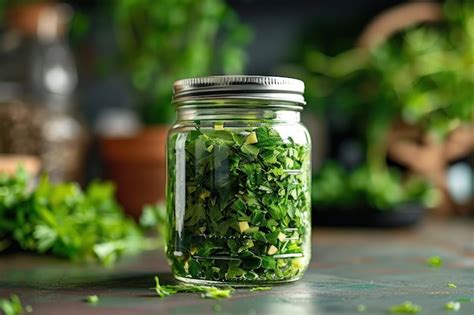
Basil is sensitive to cold and will quickly blacken and wilt in the refrigerator. Instead, treat it like a houseplant:
- Trim & Water: Trim the stems and place them in a jar with water, just as with other delicate herbs.
- Room Temp: Keep the jar on your countertop away from direct sunlight, changing the water daily.
- Optional Cover: You can loosely cover it with a plastic bag if your kitchen is particularly dry, but it’s often not necessary.
Basil stored this way will last about a week, and sometimes even root, allowing you to plant it!

Method 2: The Damp Paper Towel Roll for Sturdy Herbs
Woody-stemmed herbs like rosemary, thyme, oregano, and sage do best with a slightly different approach, though the water bath can also work. This method is also great for when fridge space is limited or for very leafy herbs that don’t fit well in a jar.
- Wash & Dry Thoroughly: Wash the herbs only if necessary, and more importantly, dry them completely with a salad spinner or by patting them gently with paper towels. Excess moisture encourages mold.
- Damp Paper Towel: Lay the herbs in a single layer on a slightly damp (not wet) paper towel.
- Roll & Bag: Gently roll up the herbs in the paper towel and place the bundle into a plastic zip-top bag or an airtight container.
- Refrigerate: Store in the refrigerator. This method can keep sturdy herbs fresh for 2-3 weeks.
Beyond Fresh: Freezing Herbs for Long-Term Storage
When you have an abundance of herbs or want to preserve their flavor for months, freezing is an excellent option, especially for softer herbs like parsley, cilantro, dill, and even basil. Woody herbs also freeze well.
- Chopped & Ice Cube Trays: Chop your herbs finely. Place a tablespoon or two into each compartment of an ice cube tray.
- Add Liquid: Fill the compartments with water, olive oil, or broth. Olive oil works particularly well for herbs destined for sautéing or sauces, as it infuses the oil with flavor.
- Freeze: Freeze until solid.
- Transfer: Once frozen, pop the herb cubes out and transfer them to a freezer-safe bag or container. Label with the herb type and date.
These herb cubes are perfect for tossing directly into soups, stews, sauces, or roasts. They can last for 6-12 months.
Drying Herbs: A Traditional Approach
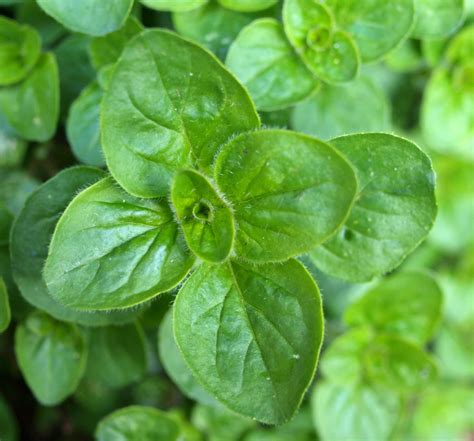
Drying is another effective way to preserve herbs, though it changes their flavor profile. It works best for woody herbs like rosemary, thyme, oregano, and bay leaves, but also works for sage and mint. Air drying in bundles or using a dehydrator are common methods.
- Air Drying: Bundle small bunches of herbs, tie them with twine, and hang them upside down in a warm, dry, well-ventilated area away from direct sunlight.
- Dehydrator/Oven: A food dehydrator offers more control. You can also dry herbs in a low-temperature oven (around 100-150°F / 40-65°C) until brittle.
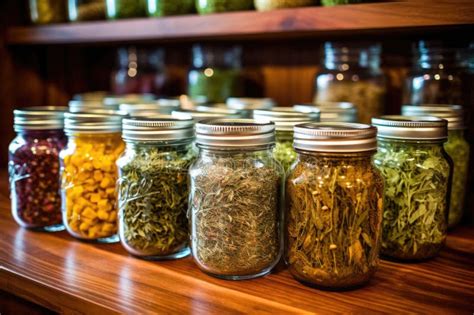
- Storage: Once completely dry, strip the leaves from the stems and store them whole or crumbled in airtight jars away from light and heat.
Dried herbs have a shelf life of up to a year, gradually losing potency over time.
General Tips for Maximizing Herb Freshness
- Don’t Wash Until Needed: Washing herbs before storage can introduce excess moisture, promoting spoilage. Wash them right before you’re ready to use them.
- Inspect Regularly: Remove any yellowing, slimy, or moldy leaves immediately to prevent them from affecting the rest of the bunch.
- Buy Smart: Choose herbs that look vibrant and healthy at the store, with no wilting or discoloration.
By implementing these simple yet effective storage techniques, you’ll significantly extend the life of your fresh herbs. This not only ensures you always have flavorful ingredients on hand but also dramatically reduces food waste and saves you money in the long run. Enjoy the abundance of fresh, aromatic herbs in your kitchen every day!