Best way to store fresh herbs for vibrant, flavorful foodie dishes?

Unlock Peak Flavor: The Art of Storing Fresh Herbs
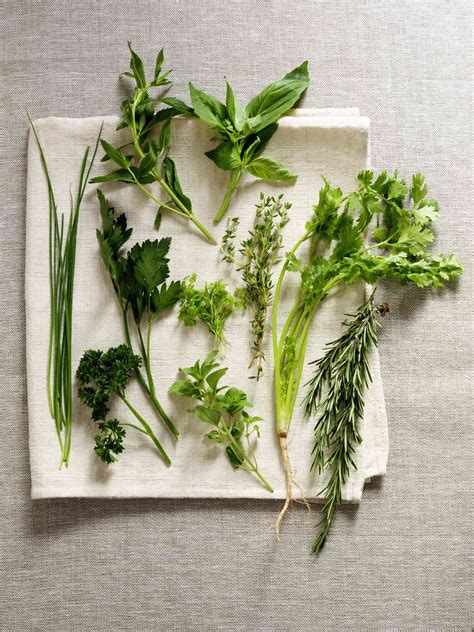
Fresh herbs are the secret weapon of any discerning cook, capable of transforming a simple meal into an extraordinary culinary experience. However, their delicate nature means they often wilt and lose their potency quickly if not stored properly. Don’t let your vibrant parsley, fragrant basil, or aromatic rosemary go to waste! Mastering a few simple storage techniques can extend their life and keep their flavors robust, ready to infuse your foodie dishes with unparalleled freshness.

The Golden Rule: Handle with Care
Before you even think about storage, proper handling is key. Gently wash your herbs under cool running water. The most crucial step? Thoroughly dry them. Excess moisture is the enemy of fresh herbs, promoting spoilage and wilting. Use a salad spinner or carefully pat them dry with paper towels.
Method 1: The ‘Bouquet’ Approach for Delicate Herbs
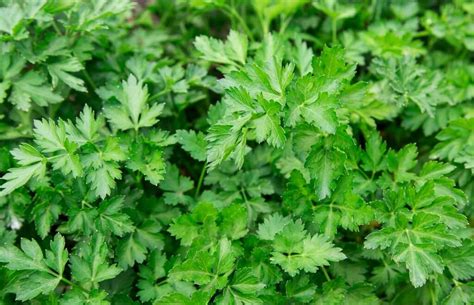
This method works wonders for herbs with soft stems and leaves, like parsley, cilantro, dill, and mint (and often basil, with a slight modification). Treat them like a bouquet of flowers:
- Trim about half an inch off the bottom of the stems.
- Place the herbs stem-down in a glass or jar with about an inch of fresh water.
- For most delicate herbs (parsley, cilantro, dill, mint), loosely cover the entire setup with a plastic bag (a produce bag works well) and refrigerate. Change the water every 1-2 days.
- Basil exception: Basil hates the cold and will turn black in the fridge. Store it using the same water-bouquet method, but leave it on your kitchen counter at room temperature, out of direct sunlight.
Method 2: The ‘Burrito’ Wrap for Sturdier Herbs
Hardier herbs with woody stems, such as rosemary, thyme, oregano, and chives, thrive with this moisture-retaining wrap method:
- After washing and thoroughly drying, lay the herbs in a single layer on a slightly damp paper towel.
- Roll the herbs snugly in the paper towel, creating a ‘burrito.’
- Place the wrapped herbs into a resealable plastic bag or an airtight container.
- Store in the refrigerator. The damp paper towel provides just enough moisture to keep them fresh without making them soggy.

Method 3: Freezing for Long-Term Flavor Infusion
For herbs you want to preserve for longer periods, especially for cooking where texture isn’t paramount, freezing is an excellent option. This works well for nearly all herbs, from parsley and cilantro to chives and rosemary.
- Finely chop your clean, dry herbs.
- Pack the chopped herbs into ice cube trays.
- Pour a neutral oil (like olive oil) or water over the herbs, just enough to cover them.
- Freeze until solid.
- Once frozen, pop out the herb cubes and transfer them to a freezer-safe bag or container. Label with the herb type and date.
These herb cubes are perfect for tossing into soups, stews, sauces, or sautés, adding a burst of fresh flavor without the need for fresh sprigs.

Pro Tips for Maximizing Freshness
- Check Regularly: Inspect your stored herbs every few days. Remove any leaves that show signs of wilting or spoilage to prevent it from spreading.
- Avoid Overcrowding: Give your herbs space. Overcrowding in bags or containers can lead to quicker spoilage.
- Label Everything: Especially with frozen herbs, clear labeling will save you time and guesswork later.
By implementing these simple yet effective storage techniques, you’ll significantly extend the life and vibrancy of your fresh herbs. No more sad, wilted greenery! Instead, you’ll have a constant supply of fragrant, flavorful additions ready to elevate every dish you create, making you a true master of the modern kitchen.