Best way to store fresh herbs so they last longer for vibrant dishes?

Unlock the Full Flavor: Mastering Fresh Herb Storage
Fresh herbs are the secret ingredient to elevating any dish, adding vibrant flavors, aromas, and beautiful garnishes. However, their delicate nature means they often wilt and lose their potency quickly if not stored correctly. Don’t let precious herbs go to waste! With a few simple techniques, you can extend their lifespan significantly, ensuring they’re always ready to infuse your meals with freshness and zest.
The key to maximizing the life of your herbs lies in understanding their specific needs regarding moisture and temperature. Different types of herbs thrive under different conditions, so a one-size-fits-all approach won’t yield the best results. Let’s explore the most effective storage strategies for both tender and hardy varieties, plus some advanced tips for long-term preservation.
Tender Herbs: The Bouquet Method
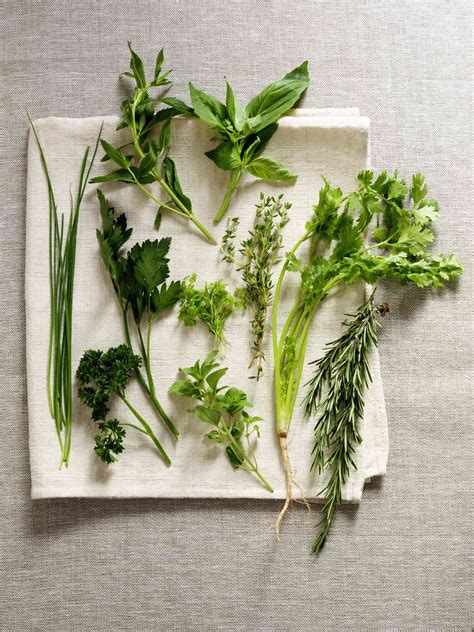
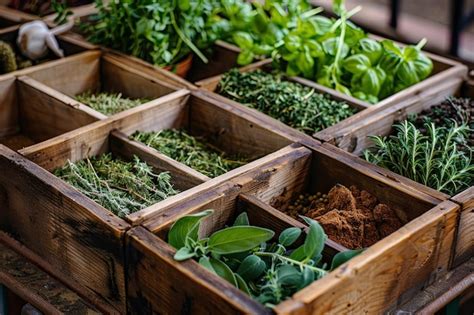
Tender herbs like parsley, cilantro, dill, mint, and basil (with a slight variation) are high in water content and benefit from a setup similar to cut flowers. This method keeps their stems hydrated and their leaves crisp.
How to Store Tender Herbs (Except Basil):
- Trim the Stems: Upon bringing them home, trim about half an inch off the bottom of the stems.
- Water Bath: Place the trimmed stems into a glass or jar with about an inch of water at the bottom.
- Cover and Refrigerate: Loosely cover the entire setup (herbs and jar) with a plastic bag or plastic wrap. This creates a mini-greenhouse effect, locking in humidity. Place the jar in the refrigerator. Change the water every day or two.
This method can keep herbs like parsley and cilantro fresh for up to two weeks. Mint and dill also do well with this technique.

Basil’s Special Case:
Basil is a tender herb, but it hates the cold. Storing basil in the refrigerator can cause its leaves to blacken and wilt rapidly. Instead, treat basil like a houseplant:
- Trim and Water: Trim the stems and place them in a jar with water, just like other tender herbs.
- Room Temperature: Leave the basil jar on your counter at room temperature, away from direct sunlight. Loosely cover with a plastic bag if your home is very dry.
Basil stored this way can last for a week or more.
Hardy Herbs: The Damp Paper Towel Method
Hardy herbs such as rosemary, thyme, oregano, sage, and chives have tougher stems and leaves. They prefer a slightly damp, cool environment but don’t need a standing water bath.
How to Store Hardy Herbs:
- Gentle Cleaning: If visibly dirty, give them a quick, gentle rinse, but ensure they are thoroughly dry before storage. Excess moisture will lead to rot.
- Wrap in Damp Towel: Lightly dampen a paper towel (not soaking wet, just moist). Lay the herbs flat on the towel.
- Roll and Seal: Roll the herbs tightly in the damp paper towel.
- Airtight Container: Place the wrapped herbs into a resealable plastic bag or an airtight container.
- Refrigerate: Store in the crisper drawer of your refrigerator.
Hardy herbs stored this way can remain fresh and vibrant for two to three weeks, sometimes even longer.

Long-Term Solutions: Freezing Herbs
When you have an abundance of herbs or want to preserve their flavor for months, freezing is an excellent option. This works well for most herbs, especially those you’d use in cooked dishes rather than as a fresh garnish.
Freezing in Oil (Pesto Style):
- Chop Finely: Wash and thoroughly dry your herbs. Finely chop them.
- Ice Cube Trays: Place the chopped herbs into ice cube trays.
- Cover with Oil: Pour a neutral oil (like olive oil or avocado oil) over the herbs, ensuring they are fully submerged.
- Freeze: Freeze until solid.
- Store: Once frozen, pop out the herb-oil cubes and transfer them to a freezer-safe bag or container.
These cubes are perfect for adding directly to soups, stews, sauces, or sautéed vegetables. No need to thaw!

Reviving Wilted Herbs & Final Tips
If your herbs look a little sad but aren’t slimy or discolored, you might be able to revive them. For tender herbs, trim the stems and plunge them into ice-cold water for 30 minutes to an hour. For hardy herbs, a quick rinse under cold water followed by the damp paper towel method can sometimes bring them back to life.
Always wash your herbs just before use, not before storage. Excess moisture during storage is the enemy. By adopting these simple, yet effective, storage techniques, you’ll dramatically reduce food waste and ensure your kitchen is always stocked with fragrant, flavorful herbs, ready to transform any meal into a vibrant, culinary masterpiece.