Best way to store fresh herbs to keep them vibrant for longer?

Unlock the Secret to Long-Lasting Fresh Herbs
Fresh herbs are essential for elevating the flavor of countless dishes, but they often wilt and spoil quickly if not stored properly. Wasting beautiful basil or fragrant rosemary is a common kitchen frustration. Fortunately, with a few simple techniques, you can significantly extend the life of your herbs, keeping them vibrant and ready for your next culinary adventure.
The best storage method often depends on the type of herb, as some prefer moisture while others thrive in drier conditions. Let’s explore the most effective ways to preserve your herbaceous treasures.
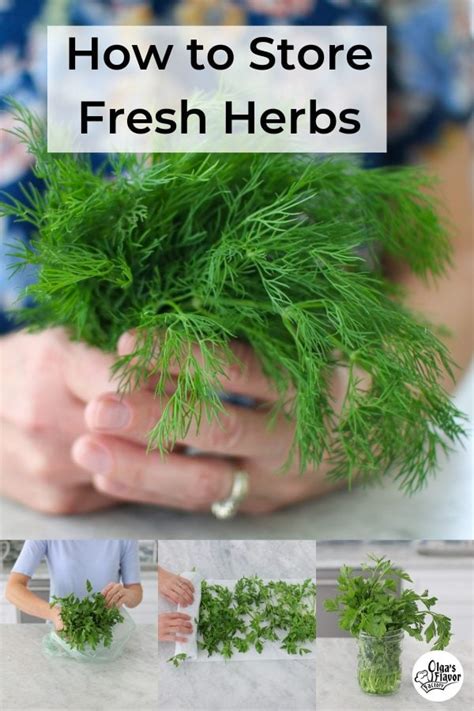
The Water Jar Method: For Delicate, Leafy Herbs
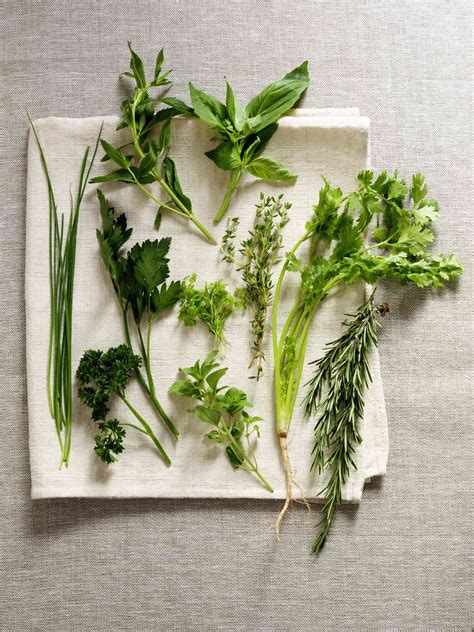
This method is ideal for herbs with tender stems and leaves, such as parsley, cilantro, basil, mint, dill, and tarragon. It mimics how flowers are kept fresh in a vase, providing hydration through their stems.
- Trim Stems: Start by trimming about half an inch off the bottom of the stems. Remove any lower leaves that would sit below the waterline to prevent rotting.
- Water Bath: Place the trimmed herbs upright in a glass jar or container with about an inch of fresh water at the bottom, just enough to cover the stem ends.
- Cover and Refrigerate: For most delicate herbs (parsley, cilantro, dill), lightly cover the jar with a plastic bag or wrap, creating a mini-greenhouse effect. Place it in the refrigerator.
- Basil Exception: Basil prefers warmer temperatures. Store it on your countertop, away from direct sunlight, rather than in the fridge, which can cause its leaves to blacken. Do not cover basil.
- Change Water: Change the water every 1-2 days to keep it fresh and free of bacteria.
Herbs stored this way can last for up to 1-2 weeks, significantly longer than if left in their original packaging.
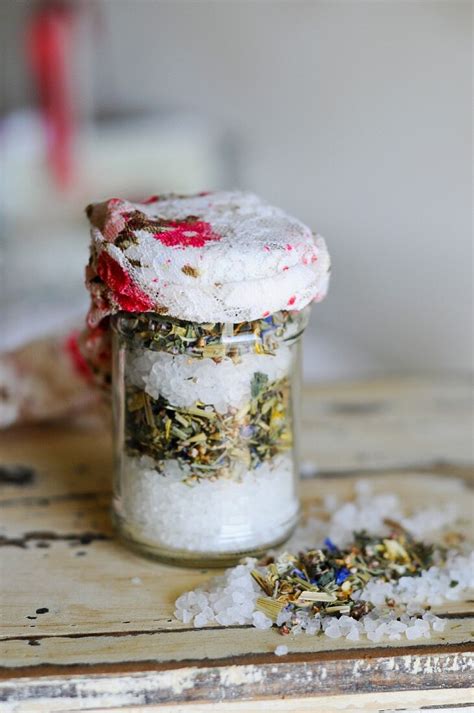
The Damp Paper Towel Method: For Heartier Herbs
Hardier herbs with tougher stems, like rosemary, thyme, oregano, and chives, prefer a slightly drier environment. The damp paper towel method works wonders for them.
- Wash and Dry (Gently): Lightly wash the herbs if necessary, then pat them thoroughly dry with a clean kitchen towel or paper towel. Excess moisture can lead to mold.
- Wrap Them Up: Lay the herbs in a single layer on a lightly damp (not soaking wet) paper towel. Roll them up gently into a loose bundle.
- Bag and Refrigerate: Place the wrapped herb bundle into a resealable plastic bag or an airtight container. Store it in the crisper drawer of your refrigerator.
- Check Periodically: Check the paper towel every few days. If it dries out, re-dampen it. If it becomes too wet, replace it.
This method can keep woody herbs fresh for 2-3 weeks, sometimes even longer.
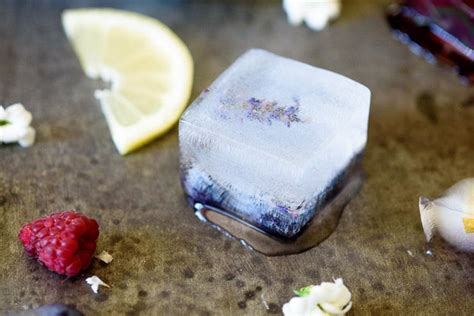
Freezing Herbs: For Long-Term Storage
When you have an abundance of herbs or want to preserve them for several months, freezing is an excellent option. This method works well for most herbs, though their texture may soften slightly upon thawing.
- Herb Cubes: Chop herbs finely and pack them into ice cube trays. Cover them with olive oil or water, then freeze until solid. Once frozen, transfer the cubes to a freezer-safe bag or container. These are perfect for adding directly to soups, stews, or sautéed dishes.
- Blanched Herbs: For delicate herbs like basil or parsley, blanching them quickly in boiling water (for 15-30 seconds) before shocking them in ice water and then freezing can help retain their color and flavor. Pat dry thoroughly before freezing in a single layer on a baking sheet, then transfer to a freezer bag.
Frozen herbs can last for 6 months to a year, providing fresh flavor all year round.
General Tips for Maximizing Herb Freshness
- Inspect Your Herbs: Before storing, always check for any bruised, yellowed, or spoiled leaves and remove them.
- Avoid Washing Until Ready: Unless specified by the method, try to avoid washing herbs until you are ready to use them. Excess moisture can encourage spoilage.
- Airflow is Key: While covering is often recommended, ensure there’s still a little bit of airflow, especially for methods that don’t use plastic bags.
- Use Them Up: Even with the best storage, fresh herbs are best used sooner rather than later to enjoy their peak flavor and aroma.
By implementing these simple yet effective strategies, you can significantly reduce food waste and enjoy the vibrant flavors of fresh herbs for much longer. Experiment with these methods to find what works best for your specific herbs and kitchen environment.