Best way to store fresh herbs to keep them vibrant for stunning plating?

Unlocking the Secret to Ever-Vibrant Herbs
Fresh herbs are the unsung heroes of culinary artistry. They don’t just add incredible flavor; their vibrant colors and delicate textures elevate a dish from good to gourmet, transforming a simple meal into a visual feast. However, maintaining that garden-fresh vibrancy can be a challenge. Withered, discolored herbs can detract from even the most meticulously prepared plating. The good news is that with a few simple, strategic storage techniques, you can keep your herbs looking and tasting spectacular for much longer, ready to garnish and impress.

The ‘Bouquet’ Method: Best for Tender Stems
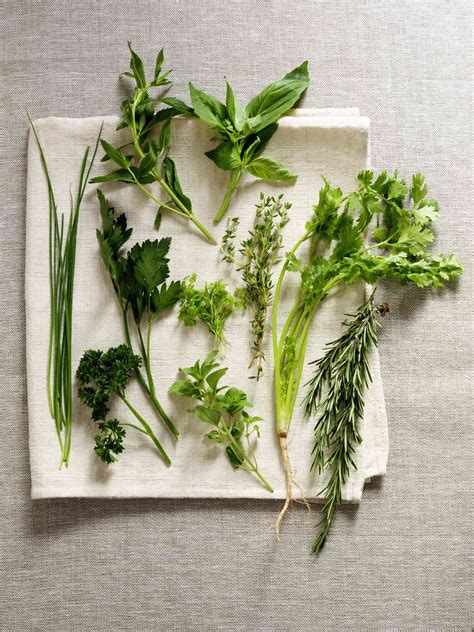
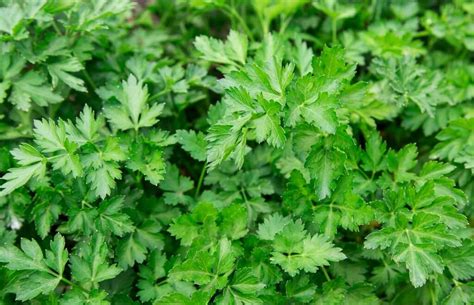
This method mimics how you’d store fresh flowers and is ideal for delicate, leafy herbs like parsley, cilantro, and mint. It provides essential hydration to keep their leaves crisp and green. Start by trimming about half an inch off the bottom of the stems. Remove any leaves that would fall below the waterline in your chosen container, as submerged leaves can rot and contaminate the water.
Place the herb bunch upright in a glass jar or a small vase filled with about an inch of fresh, cool water. For most herbs (parsley, cilantro, dill, mint), cover the entire setup loosely with a plastic bag (a produce bag works perfectly) and store it in the refrigerator. This creates a humid microclimate that prevents wilting. Change the water every day or two to keep it fresh.
The ‘Paper Towel’ Roll: Perfect for Woody and Medium Herbs
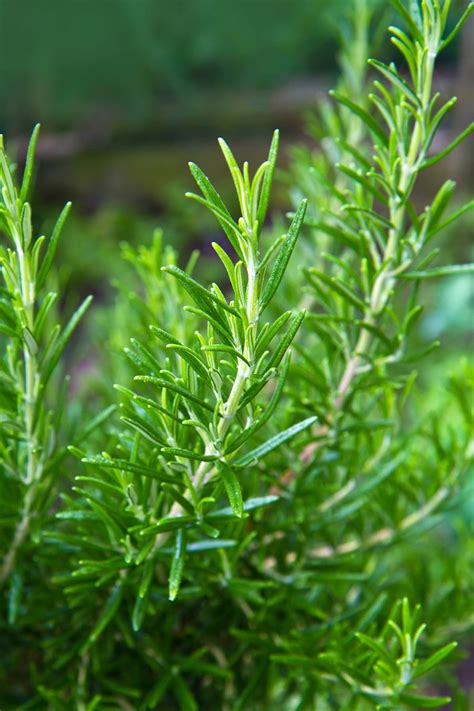
For herbs with tougher stems or more delicate structures that might brown in too much moisture, such as rosemary, thyme, oregano, chives, and even dill, the damp paper towel method is highly effective. Begin by gently washing the herbs if they appear dirty, then pat them absolutely dry with a clean kitchen towel or paper towels. Excess moisture is the enemy here.
Lay a slightly damp (not wet!) paper towel flat, then arrange the herbs in a single layer over it. Roll the paper towel up with the herbs inside, creating a neat cylinder. Place this rolled bundle into an airtight container or a resealable plastic bag. Store it in the crisper drawer of your refrigerator. This method protects the herbs from both excessive drying out and too much moisture, extending their freshness considerably.
Special Consideration: The Basil Enigma
Basil is the prima donna of herbs, notoriously sensitive to cold. Refrigeration can cause its leaves to blacken and lose flavor rapidly. For basil, adopt a modified ‘bouquet’ method: trim the stems, place them in a jar with water, but leave it on your kitchen counter, away from direct sunlight and drafts. Treat it like a small houseplant. While it won’t last as long as refrigerated herbs, this method will keep basil vibrant and aromatic for several days, preserving its delicate structure for plating.
Tips for Peak Plating Perfection
Beyond storage, a few extra habits can ensure your herbs are always ready for their close-up. Avoid washing herbs until just before you’re ready to use them, especially if you’re employing the dry storage methods. Inspect your herbs regularly; remove any leaves showing signs of wilting, discoloration, or spoilage to prevent them from affecting the entire bunch. When you’re ready to plate, a quick refresh in a bowl of ice water for a few minutes can often revive slightly tired leaves, giving them an extra crispness and vivid hue.
Ultimately, stunning plating relies on the visual appeal of every component. By mastering these simple herb storage techniques, you guarantee that your garnishes are not just flavorful additions but also bursts of color and texture that truly elevate your culinary creations, making every dish a masterpiece.