Best way to store fresh herbs to last longer for vibrant dishes?

Fresh herbs are the secret weapon for elevating any dish, adding vibrant flavors and aromas that dried alternatives simply can’t match. However, keeping them fresh and potent can often feel like a losing battle. Wilting leaves, discoloration, and diminished flavor are common frustrations that lead many to discard precious bundles before they’ve had a chance to shine. But what if there was a way to extend their life, ensuring your culinary creations are always bursting with garden-fresh goodness?
Understanding Herb Types for Optimal Storage
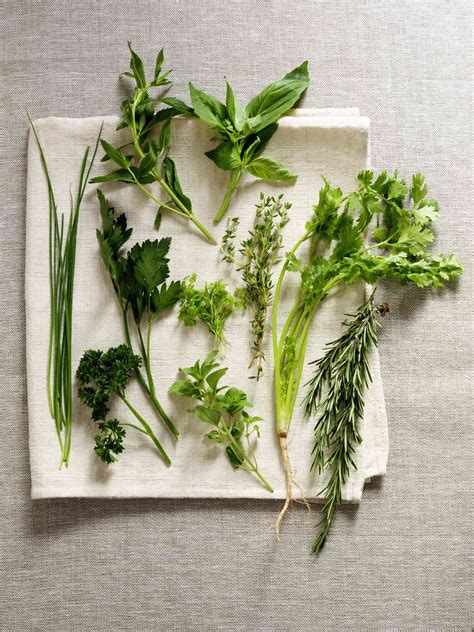
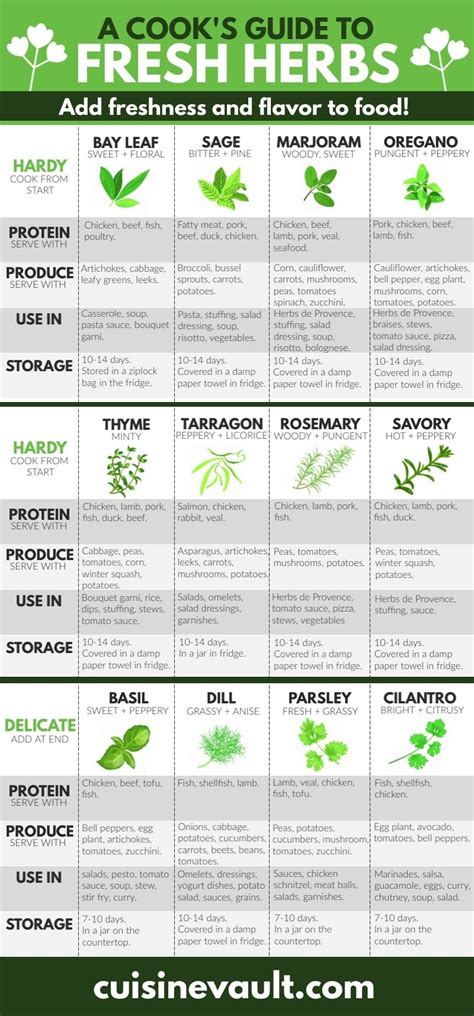
Before diving into specific techniques, it’s crucial to differentiate between two main categories of herbs: tender and woody. Tender herbs, like parsley, cilantro, basil, mint, and dill, have soft stems and delicate leaves. Woody herbs, such as rosemary, thyme, oregano, and sage, possess sturdy, often woody stems and tougher leaves. Their distinct structures demand different storage approaches for maximum longevity.
Tender Herbs: The “Bouquet” Method and Beyond
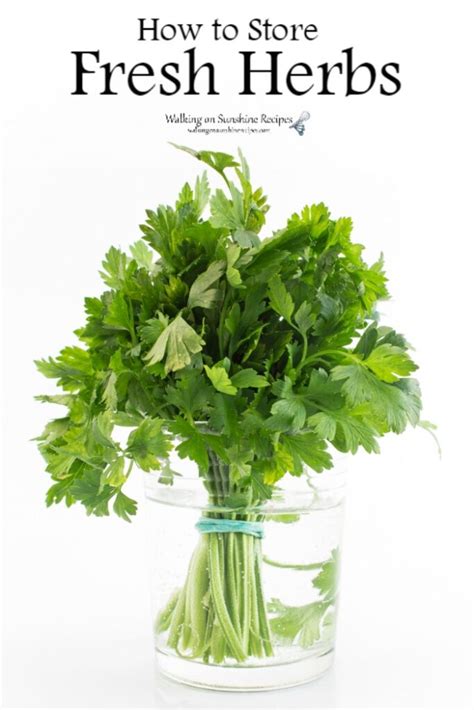
For most tender, leafy herbs, think of them like a bouquet of flowers. Trim the very ends of the stems, remove any yellowed or damaged leaves, and place them upright in a glass or jar with about an inch of water at the bottom.
- Parsley, Cilantro, Dill, Mint: Cover the herbs and jar loosely with a plastic bag (a produce bag works perfectly) and refrigerate. Change the water every couple of days. This method can keep these herbs fresh and vibrant for up to 1-2 weeks.
- Basil: Basil is a bit finicky and doesn’t like the cold of the refrigerator. Store it using the same “bouquet” method, but leave it out on the counter at room temperature, away from direct sunlight. Cover loosely with a plastic bag. It should last about a week.
The Damp Paper Towel Roll-Up
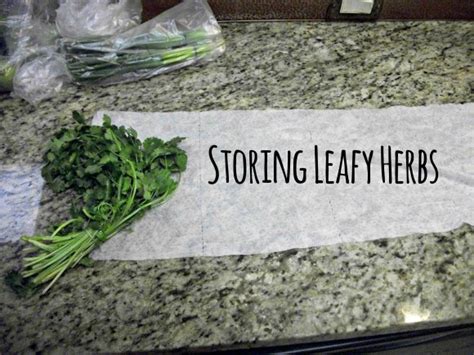
Another excellent method for tender herbs, especially if you’re short on fridge space or prefer not to use jars, is the damp paper towel roll-up. Lightly dampen a few sheets of paper towel, lay your herbs flat on top, and roll them up gently. Place the rolled herbs inside a plastic zip-top bag or an airtight container and refrigerate. This keeps them moist but not waterlogged, preventing rot. This works well for parsley, cilantro, and chives, lasting around a week.
Woody Herbs: Keep Them Dry and Cool
Woody herbs thrive on different conditions. Unlike their tender counterparts, they prefer a drier environment.
- Rosemary, Thyme, Oregano, Sage: Wrap these herbs loosely in a slightly damp paper towel, then place them in a zip-top bag or an airtight container. Store them in the crisper drawer of your refrigerator. They can easily last for 2-3 weeks, sometimes even longer. Avoid washing them until you’re ready to use them, as excess moisture can accelerate spoilage.
Freezing Herbs for Long-Term Storage
When you have an abundance of herbs or want them available year-round, freezing is an excellent option.
- Chopped Herbs in Oil: Finely chop your herbs (tender or woody), pack them into ice cube trays, and cover with olive oil, melted butter, or even water. Once frozen solid, pop out the cubes and store them in freezer-safe bags. These “herb bombs” are perfect for tossing directly into soups, stews, sauces, or sautéed vegetables, providing instant flavor.
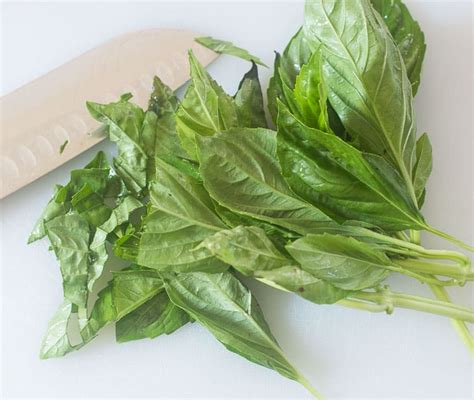
- Whole Leaves: For some herbs like basil or sage, you can also freeze whole leaves. Lay washed and thoroughly dried leaves in a single layer on a baking sheet to flash freeze them. Once solid, transfer to a freezer bag. This prevents them from clumping together.
Drying Herbs for a Pantry Staple
Drying is a traditional method best suited for woody herbs and those with lower moisture content. While dried herbs have a different flavor profile than fresh, they’re incredibly convenient.
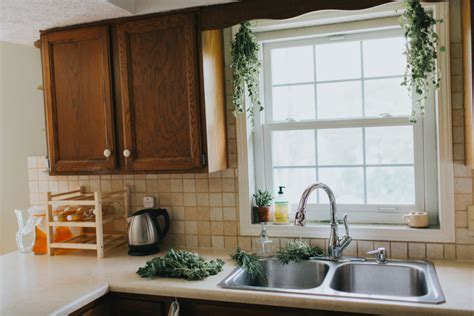
- Air Drying: Tie small bundles of herbs together with twine and hang them upside down in a warm, dry, well-ventilated area away from direct sunlight. They’re ready when they crumble easily.
- Oven/Dehydrator: For faster drying, use a dehydrator or your oven set to its lowest temperature (around 100-120°F or 40-50°C) with the door slightly ajar.
Conclusion
With these simple yet effective storage techniques, you can drastically reduce food waste and ensure a steady supply of fresh, flavorful herbs for all your culinary adventures. Experiment with different methods to find what works best for your specific herbs and kitchen environment, and get ready to elevate your dishes with unparalleled vibrancy and taste!