Best way to store fresh herbs to prevent waste & keep flavor for weeks?

Unlock Weeks of Freshness: The Ultimate Herb Storage Guide
There’s nothing quite like the vibrant aroma and fresh taste that herbs bring to a dish. However, the joy of a newly purchased bunch can quickly turn into dismay as they wilt and turn brown within days. Wasting perfectly good herbs is not only a drain on your grocery budget but also a missed opportunity for delicious meals. The good news is that with a few simple techniques, you can extend the life of your fresh herbs, keeping them flavorful and ready to use for weeks.
The key to successful herb storage lies in understanding their individual needs, primarily whether they are ‘tender’ or ‘hardy’ and how they react to moisture and temperature. Let’s dive into the best practices to keep your green friends thriving.
Understanding Your Herbs: Tender vs. Hardy
Before you can properly store your herbs, it’s crucial to identify their type. This distinction guides the best storage method.
Tender Herbs: The Bouquet Method
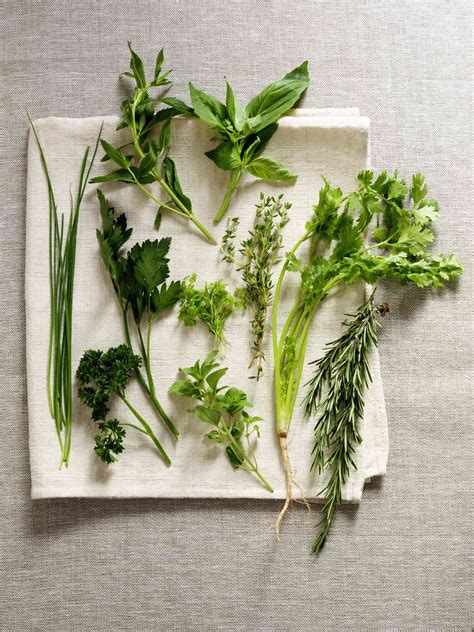
Tender herbs have soft stems and delicate leaves. These include basil, cilantro, parsley, mint, dill, tarragon, and chives. They thrive with a bit of moisture, much like a bouquet of flowers.
- Trim & Hydrate: Trim about half an inch off the bottom of the stems.
- Water Bath: Place the herbs stem-down in a glass or jar filled with an inch or two of fresh water, similar to a flower arrangement.
- Cover & Refrigerate: For most tender herbs (except basil), loosely cover the leaves with a plastic bag (a produce bag works perfectly) and place the glass in the refrigerator.
- Basil Exception: Basil is sensitive to cold and can blacken in the fridge. Store basil on the countertop, out of direct sunlight, using the same water bath method, but without the plastic bag.
- Change Water: Change the water every 1-2 days to keep it fresh.
Using this method, tender herbs can stay fresh for 1-2 weeks, with basil lasting about a week on the counter.

Hardy Herbs: The Damp Paper Towel Roll
Hardy herbs have tougher, woody stems and robust leaves. Examples include rosemary, thyme, oregano, sage, and marjoram. These herbs prefer a slightly damp, cool environment.
- Wash & Dry Thoroughly: Gently wash the herbs under cool water. This step is critical: ensure they are completely dry before storage. Excess moisture will lead to mold. A salad spinner or patting dry with paper towels works best.
- Wrap in Damp Paper Towels: Lay the dried herbs in a single layer on a lightly damp paper towel. Roll them up gently.
- Seal in a Bag: Place the wrapped herbs inside a zip-top plastic bag or an airtight container.
- Refrigerate: Store in the crisper drawer of your refrigerator.
Hardy herbs stored this way can last 2-3 weeks, sometimes even longer.
Beyond the Fridge: Freezing & Drying for Long-Term Storage
Sometimes, even the best refrigeration methods aren’t enough, or you have an abundance of herbs you want to preserve for months.
Freezing Herbs for Extended Flavor
Freezing is an excellent option for preserving the flavor of most herbs for several months. While the texture might change slightly, the taste will remain vibrant, perfect for cooked dishes.
- Chop & Cube: Finely chop your herbs.
- Ice Cube Trays: Fill ice cube trays about two-thirds full with the chopped herbs.
- Add Liquid: Top with a liquid – water or olive oil work well. Olive oil can help preserve more flavor, especially for Mediterranean herbs like rosemary, thyme, and oregano.
- Freeze Solid: Freeze until solid.
- Store: Pop the herb cubes out of the trays and transfer them to a freezer-safe bag or container. Label with the herb type and date.
Alternatively, you can simply chop herbs and freeze them in a single layer on a baking sheet before transferring to a freezer bag. This allows you to grab just the amount you need.

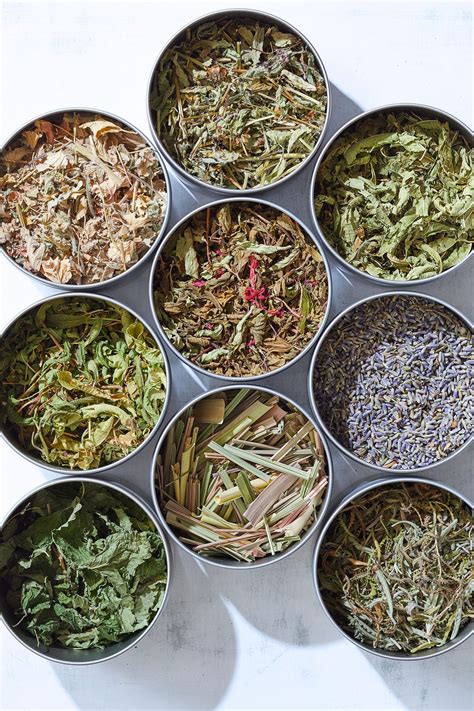
Air Drying for Pantry Staples
Drying herbs is a traditional method, particularly effective for hardy herbs like rosemary, thyme, oregano, and bay leaves. This method yields a product suitable for long-term pantry storage.
- Bundle: Tie small bundles of herbs together.
- Hang: Hang them upside down in a warm, dry, well-ventilated area away from direct sunlight.
- Crumble & Store: Once fully dry and brittle (typically 1-3 weeks), crumble the leaves and store them in airtight containers in a cool, dark place.
Essential Tips for Optimal Herb Longevity
- Always Wash & Dry (When Applicable): For the paper towel method, ensure herbs are completely dry. For the water method, a quick rinse before placing in water is fine. Wash them just before use for basil stored on the counter.
- Trim Stems: Freshly cut stems absorb water more efficiently.
- Avoid Bruising: Handle delicate herbs gently to prevent bruising, which accelerates spoilage.
- Inspect Regularly: Remove any wilting or browning leaves promptly to prevent spoilage from spreading.
- Use Airtight Containers: When wrapping in paper towels, ensure the final container or bag is sealed well to maintain the right moisture balance.
Conclusion
No longer do you have to watch your beautiful bunches of herbs turn into sad, slimy piles of waste. By understanding the simple needs of tender and hardy herbs, and employing smart storage techniques – whether it’s a water bath, a damp paper towel roll, or freezing – you can significantly extend their lifespan and keep their fresh flavors ready for your culinary creations. Embrace these methods, and enjoy the true taste of fresh herbs in your cooking for weeks on end!