Beyond aesthetics, how can ‘Visual Bites’ for foodies convey actionable recipe steps?
In the vibrant world of food media, “Visual Bites”—short, engaging video clips, stunning photography, and quick infographics—have become indispensable. They captivate foodies with mouth-watering aesthetics, showcasing delectable dishes in all their glory. However, the true challenge lies beyond mere visual appeal: how can these concise visual formats effectively convey actionable recipe steps, transforming passive viewing into confident cooking?
From Eye Candy to Instructional Clarity
Many visual food presentations excel at inspiring desire but often fall short in providing the practical guidance needed to replicate the dish. A quick pan shot of simmering sauce, while beautiful, rarely details the precise consistency, temperature, or timing crucial for success. For Visual Bites to truly empower foodies, they must bridge this gap, offering not just a glimpse of the finished product, but a clear, digestible roadmap to get there.
Strategies for Actionable Visual Bites
To move beyond passive aesthetics, Visual Bites need to be meticulously designed with instruction in mind. Here are several strategies:
1. Micro-Videos with On-Screen Text and Voiceovers
Short-form videos (e.g., 15-60 seconds) are ideal. Instead of relying solely on quick cuts, incorporate clear, concise on-screen text overlays highlighting ingredients, measurements, and specific actions (e.g., “Sauté 2 mins,” “Whisk until stiff peaks”). A calm, instructional voiceover can further guide the viewer, explaining the ‘why’ behind each step. Emphasize hand movements and techniques in close-up shots.
2. Animated GIFs and Cinemagraphs for Repetitive Actions
For repetitive or technique-focused steps (e.g., kneading dough, chopping vegetables, folding batter), animated GIFs or short, looping cinemagraphs are incredibly effective. They allow foodies to observe the motion repeatedly without having to rewind a video, internalizing the correct technique at their own pace.

3. Step-by-Step Infographics and Carousel Posts
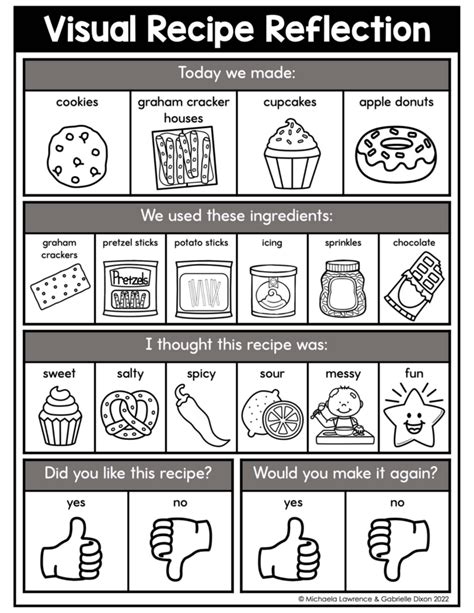
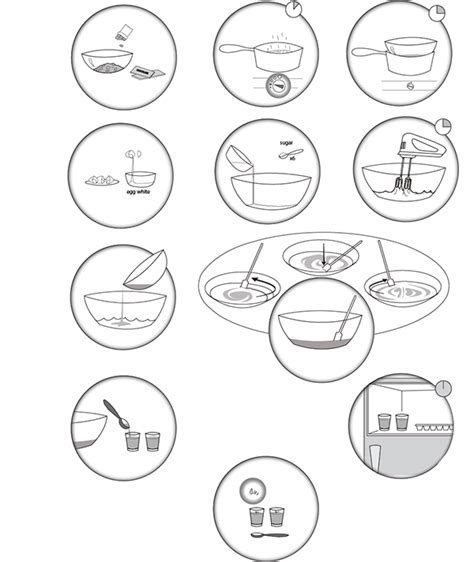
Static visuals can also be powerfully instructional. Infographics that break down a recipe into sequential, numbered steps, each with a clear image or illustration and minimal text, are highly effective. For platforms like Instagram, multi-slide carousel posts can serve a similar function, guiding users through each stage from ingredients to plating.
4. Time-Lapses with Key Markers
For longer processes like baking or fermentation, a time-lapse can show progression, but it needs actionable markers. Overlay text indicating critical points (e.g., “Dough doubled after 1 hour,” “Cake turns golden after 30 mins”), combined with a brief before-and-after shot, provides context and helps foodies anticipate outcomes.
5. Interactive Elements and Augmented Reality (AR)
Looking ahead, interactive Visual Bites could revolutionize recipe instruction. Imagine AR filters that overlay virtual instructions onto your physical workspace, or clickable elements within a video that reveal additional tips or ingredient substitutions. While still emerging, these technologies hold immense potential for truly immersive and actionable learning experiences.

The Role of Clarity and Consistency
Regardless of the format chosen, clarity and consistency are paramount. Use consistent terminology, clear lighting, and angles that highlight the action. Avoid excessive artistic flourishes that obscure the instructional message. The goal is not just to make the food look good, but to make the cooking process look achievable and understandable.
By shifting the focus from purely aesthetic allure to practical, step-by-step guidance, Visual Bites can evolve into powerful educational tools. Empowering foodies with the confidence and skills to recreate dishes transforms them from mere spectators into active culinary participants, fostering a deeper, more rewarding engagement with food.