Beyond aesthetics, what Visual Bite elements ensure recipe clarity for Foodies?

The Science of Seeing: When Visuals Translate to Success
In the vibrant world of food media, ‘Visual Bites’ have become indispensable. More than just pretty pictures, these visual elements are the primary interface through which foodies interact with recipes. While stunning aesthetics capture attention, true value lies in how effectively these visuals communicate the intricate details of a culinary process. For a passionate home cook, a beautiful image is only truly useful if it unequivocally clarifies the steps, techniques, and desired outcomes, guiding them to recreate a dish with confidence and precision. This goes beyond mere plating; it’s about instructional design.

The Power of Sequential Storytelling: Step-by-Step Visuals
The most fundamental element for recipe clarity is the strategic use of sequential imagery. A single glamour shot of a finished dish, however appealing, offers little practical guidance. Instead, a series of photographs documenting each critical stage of a recipe acts as a visual instruction manual. This allows foodies to verify their progress against an expert’s, minimizing confusion and potential errors. From ingredient prep to intermediate cooking steps, each image builds confidence.
Pre-Prep and Ingredient Clarity
Before any cooking begins, showing ingredients in their pre-prepared state (e.g., chopped vegetables, measured spices) is invaluable. This helps users confirm they have the right components and understand the required cuts or preparations. Visuals of ingredient mise en place save time and prevent misinterpretations of text-based instructions.
Process Shots: Demystifying Techniques
Close-up process shots are critical for explaining techniques that are difficult to describe with words alone. How should dough look after kneading? What consistency should a sauce achieve? How exactly do you fold an omelet or temper chocolate? Images demonstrating these moments visually affirm the correct execution, ensuring the cook is on the right track. These are the moments where a recipe can either succeed or fail for a novice.
Highlighting Key Textures and Consistency
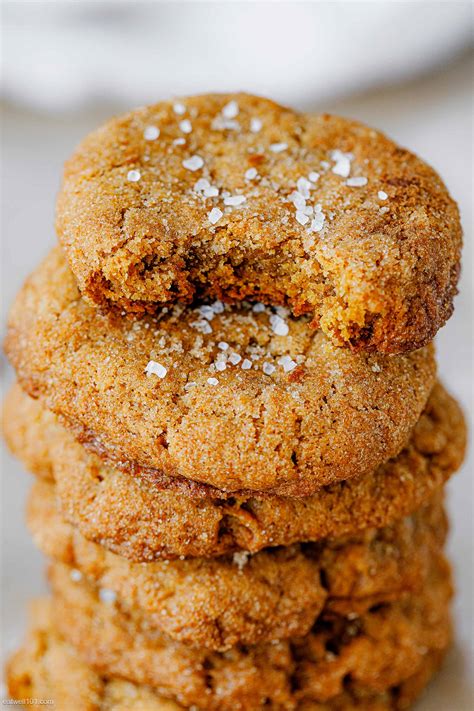
Beyond distinct steps, clarity also hinges on understanding the desired texture and consistency at various points. A textual description like “cook until golden brown” can be subjective. A visual example, however, removes all ambiguity. Photos showing the exact shade of golden brown, the perfect caramelization, the creamy consistency of a risotto, or the flaky layers of a pastry provide tangible benchmarks for success.
The Strategic Use of Scale and Context
Sometimes, it’s not just about the item itself but its size and how it relates to other elements. Including a hand or a familiar utensil in a shot can provide crucial context for scale, especially when demonstrating cutting sizes or ingredient quantities. Furthermore, showing ingredients within their cooking vessel or on a cutting board offers a spatial understanding that pure close-ups might lack.
Plating for Deconstruction: Revealing Components
While the final plated dish should be appealing, for clarity, it often benefits from showcasing its individual components clearly. If a dish has multiple layers or distinct elements, a photograph that allows the viewer to discern each part contributes to understanding the recipe’s structure. Sometimes, a slight cross-section or an artful arrangement that highlights internal textures or layers is more informative than a perfectly blended, abstract presentation.
Annotations and Overlays: The Hybrid Approach
In some advanced Visual Bites, textual annotations or graphical overlays directly on the image can further enhance clarity. Arrows pointing to critical details, circles highlighting a specific texture, or brief text snippets explaining a process directly on the photo can provide immediate, contextual information that reinforces the visual message. This hybrid approach marries the immediacy of visuals with the precision of text.
Conclusion: The Functional Art of Visual Bites
Ultimately, for foodies, the most effective Visual Bites transcend mere artistic expression to become powerful instructional tools. By prioritizing sequential visuals, demonstrating key textures and techniques, providing scale and context, and even incorporating strategic annotations, content creators can ensure that their recipes are not just seen, but truly understood and successfully replicated. It’s a shift from just showing what to eat, to showing precisely how to make it, empowering every home cook to achieve culinary triumph.