Beyond basic plating: How can home cooks elevate dish presentation visually?
The Art of the Appetizing Plate: Why Presentation Matters
While delicious flavor is paramount, the visual appeal of a dish can significantly enhance the eating experience. Home cooks often focus on taste, but elevating presentation is a simple yet impactful way to make everyday meals feel special and impress guests. It’s not about complex restaurant techniques, but rather a few thoughtful touches that transform a plate from functional to fabulous. Think of plating as the final ingredient – it completes the dish.
Mastering the Fundamentals of Visual Appeal
To elevate your dish presentation, start by understanding a few core principles that chefs employ:
1. Embrace Color and Contrast
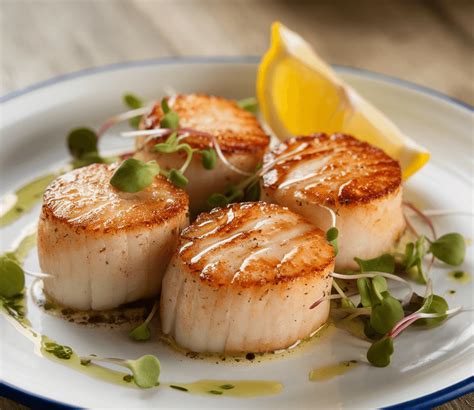
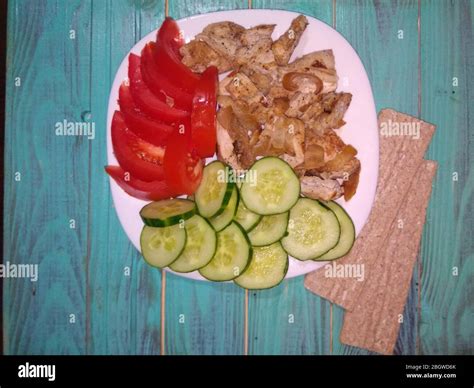
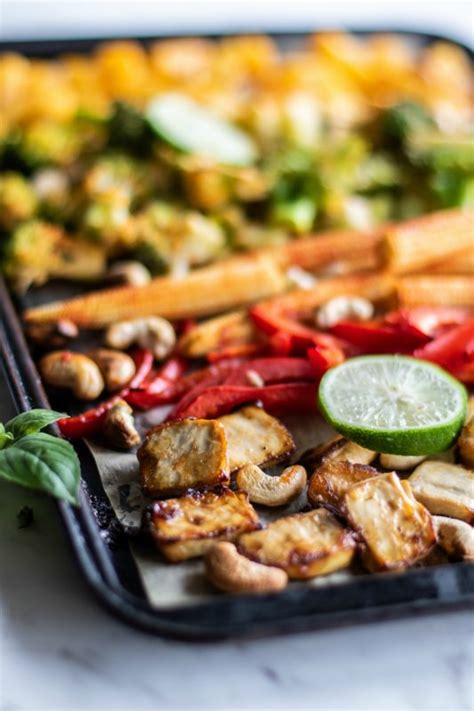
A monochromatic plate can be dull. Introduce a spectrum of colors through ingredients. Think vibrant greens from herbs, reds from tomatoes or peppers, yellows from citrus, or the deep purple of a berry compote. Contrast helps each element stand out. For example, a bright green garnish against a creamy white sauce, or a dark protein nestled beside colorful vegetables.
2. Play with Texture and Shape
Varying textures adds interest both visually and orally. Consider crunchy elements (toasted nuts, fried shallots, croutons), creamy components (purees, sauces), and tender main ingredients. Similarly, diversify shapes – instead of everything being diced, include some julienned vegetables, a rounded quenelle of a side, or irregular torn herbs.
3. Thoughtful Arrangement and Composition
This is where the artistic side comes in. Avoid piling everything in the center. Use negative space effectively – the empty areas on the plate are just as important as the food. The “rule of thirds” from photography can apply here: imagine dividing your plate into a 3×3 grid and placing key elements along the lines or at their intersections for a balanced, dynamic look. Consider a main focal point and build around it.
4. Build Height and Dimension
Flat plates can appear uninspired. Introduce height to your dish. This could be achieved by stacking ingredients (e.g., a protein on a bed of greens, a tower of roasted vegetables, or a carefully mounded side). Use ingredients as support for others, creating a three-dimensional effect that draws the eye in.
5. The Magic of Garnishes
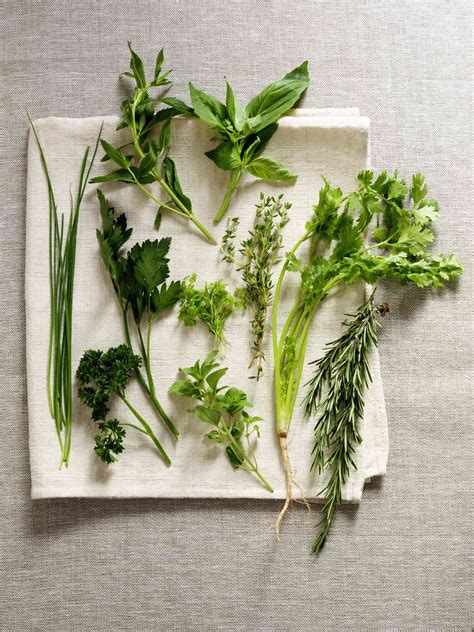
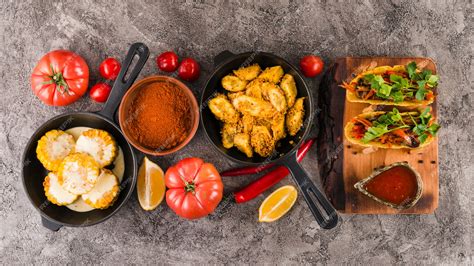
Garnishes are not just for show; they can add flavor and aroma too. A sprinkle of fresh herbs (parsley, cilantro, chives), a drizzle of good olive oil, a wedge of citrus, a few toasted seeds, or a delicate edible flower can transform a dish. Choose garnishes that complement the flavors of your main ingredients and add a final touch of color and freshness.
6. Strategic Saucing
Instead of drowning your dish, apply sauces with intention. A beautiful smear of a puree, a delicate drizzle in a swirl, or dots of sauce strategically placed around the plate can add elegance. Use squeeze bottles or a spoon to achieve clean lines and controlled application.
Practical Tips for the Home Cook
- Keep it Simple: You don’t need dozens of components. Focus on making 3-4 elements look their best.
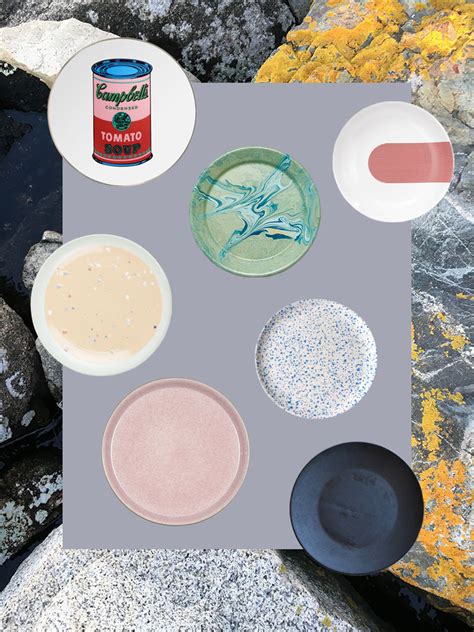
- Choose Your Canvas: The plate itself matters. White plates often make colors pop, but explore different shapes and sizes.
- Cleanliness is Key: Always wipe the rim of your plate clean before serving. Smudges detract from even the most beautiful plating.
- Practice Makes Perfect: Don’t get discouraged if your first attempts aren’t Instagram-worthy. Experiment and learn what works for different dishes.
- Seek Inspiration: Look at food magazines, culinary websites, and restaurant menus. Pay attention to how professional chefs plate their dishes.
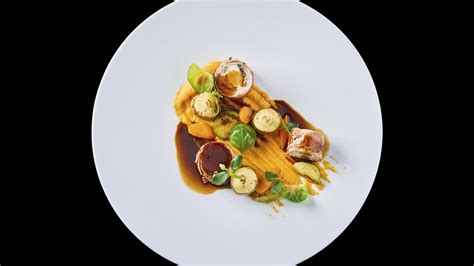
Conclusion: Eating with Your Eyes First
Elevating dish presentation is a rewarding skill that enhances the overall dining experience. By thoughtfully considering color, texture, arrangement, and garnishes, home cooks can transform everyday meals into culinary works of art. It’s about more than just food; it’s about creating an inviting and memorable moment at the table. So, grab your tongs, unleash your creativity, and start plating with purpose!